02
2026
-
10
The Evolution of Deep Groove Ball Bearings in Industrial Applications: A Comprehensive Overview
The Evolution of Deep Groove Ball Bearings in Industrial Applications Deep groove ball bearings are one of the most widely utilized types of rolling bearings in industrial applications. Their design, functionality, and adaptability have evolved significantly over the years, establishing them as vital components in a multitude of machinery and equipment. In this article, we delve into the intricate
The Evolution of Deep Groove Ball Bearings in Industrial Applications
Deep groove ball bearings are one of the most widely utilized types of rolling bearings in industrial applications. Their design, functionality, and adaptability have evolved significantly over the years, establishing them as vital components in a multitude of machinery and equipment. In this article, we delve into the intricate history and advancements of deep groove ball bearings, explore their various applications, and discuss future trends shaping their use in the industrial sector.
Table of Contents
- 1. History of Deep Groove Ball Bearings
- 2. Design Evolution and Innovations
- 3. Manufacturing Process of Deep Groove Ball Bearings
- 4. Key Applications of Deep Groove Ball Bearings in Industry
- 5. Advantages of Deep Groove Ball Bearings
- 6. Future Trends in Deep Groove Ball Bearings
- 7. Maintenance and Care for Deep Groove Ball Bearings
- 8. Frequently Asked Questions (FAQs)
1. History of Deep Groove Ball Bearings
The journey of deep groove ball bearings began in the late 19th century when innovations in mechanical engineering paved the way for the development of efficient rotating elements. The introduction of the deep groove ball bearing is attributed to the need for higher load capacities and speeds in various machinery. As industries transitioned from steam power to electric motors, the demand for reliable bearings that could withstand increased operational stresses grew immensely.
The first deep groove ball bearings were relatively simple in design, consisting of an inner and outer race, with balls placed in a single row. Over the decades, significant advancements occurred, leading to the incorporation of various materials and enhancements in design that improved performance and durability.
2. Design Evolution and Innovations
Over the years, the design of deep groove ball bearings has undergone remarkable changes. Each advancement has aimed at enhancing performance, efficiency, and reliability.
2.1 Material Advancements
Initially, deep groove ball bearings were primarily made from low-carbon steel. However, as the demand for higher strength and corrosion resistance increased, manufacturers began utilizing a range of materials, including stainless steel, ceramics, and hybrid combinations. The use of advanced materials has significantly improved the bearings' resistance to wear and environmental factors.
2.2 Enhanced Geometry
The geometric design of deep groove ball bearings has also evolved. Modern designs often feature optimized raceway contours that reduce friction and enhance load-carrying capacity. The introduction of non-contact seals further improves operational efficiency by minimizing contamination from dust and moisture.
2.3 Advanced Lubrication Techniques
Lubrication plays a crucial role in the performance of deep groove ball bearings. The evolution of lubrication technology has led to the development of specialized greases and oils that withstand extreme temperatures and pressures. These advanced lubricants extend the life of bearings and reduce maintenance frequency.
3. Manufacturing Process of Deep Groove Ball Bearings
The manufacturing of deep groove ball bearings involves several critical steps to ensure precision and quality.
3.1 Raw Material Preparation
The process begins with the selection of high-quality raw materials, typically high-carbon chromium steel or stainless steel. These materials are inspected for impurities and inconsistencies before proceeding to the next stage.
3.2 Machining and Heat Treatment
After raw material preparation, components are machined to precise dimensions using advanced CNC machines. Post-machining, heat treatment processes such as quenching and tempering are applied to enhance material hardness and performance properties.
3.3 Assembly and Quality Control
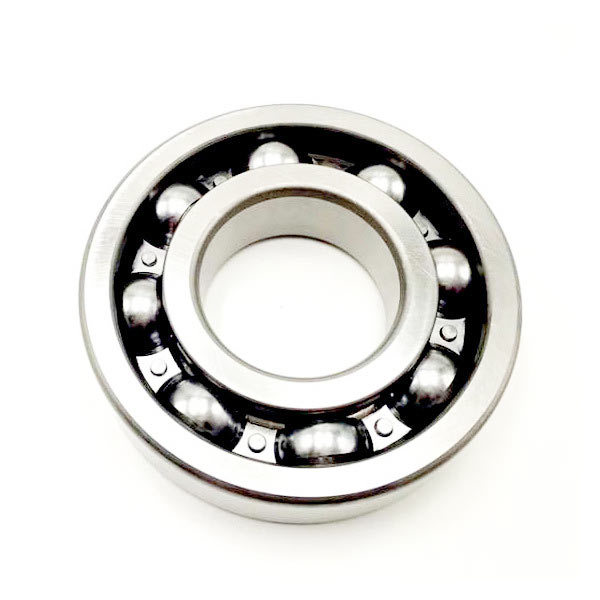
The assembly process involves fitting the balls between the inner and outer races, often with the addition of cages to separate the balls. Following assembly, stringent quality control measures are implemented, including dimensional checks and performance testing to ensure that each bearing meets industry standards.
4. Key Applications of Deep Groove Ball Bearings in Industry
Deep groove ball bearings find applications across a diverse range of industries due to their versatility and reliability.
4.1 Manufacturing and Machinery
In manufacturing, deep groove ball bearings are used in various machines, including conveyor systems, pumps, and compressors. Their ability to handle radial and axial loads makes them ideal for these applications.
4.2 Automotive Industry
The automotive sector relies heavily on deep groove ball bearings for components such as wheel hubs, electric motors, and gearboxes. Their durability and performance contribute significantly to vehicle reliability and efficiency.
4.3 Aerospace and Defense
In the aerospace industry, where precision and reliability are paramount, deep groove ball bearings are utilized in engines, landing gears, and control systems. Their ability to operate under extreme conditions is crucial for safety and performance.
4.4 Robotics and Automation
As industries move towards automation, deep groove ball bearings play a critical role in robotics. They facilitate smooth motion and precision in robotic arms and automated machinery, enhancing productivity and efficiency.
5. Advantages of Deep Groove Ball Bearings
Deep groove ball bearings offer numerous advantages that contribute to their widespread use in various applications.
5.1 High Load Capacity
One of the primary benefits of deep groove ball bearings is their ability to handle both radial and axial loads effectively, making them suitable for various applications requiring high load capacities.
5.2 Versatility
Their versatile design allows them to function in a wide array of environments, from high-speed machinery to heavy industrial applications, accommodating different operational requirements.
5.3 Low Friction and High Efficiency
The optimized design and advanced lubrication techniques employed in modern deep groove ball bearings minimize friction, leading to enhanced efficiency and reduced energy consumption.
6. Future Trends in Deep Groove Ball Bearings
As technology continues to advance, deep groove ball bearings are expected to evolve further. Several trends are currently shaping their future.
6.1 Smart Bearings
The integration of IoT technology into deep groove ball bearings is gaining traction. Smart bearings equipped with sensors can monitor performance in real-time, providing valuable data for predictive maintenance and improving operational reliability.
6.2 Lightweight Materials
Research is ongoing into the development of lightweight materials that maintain strength and durability. The adoption of such materials can lead to the production of more efficient bearings, particularly in aerospace and automotive applications.
6.3 Sustainability Initiatives
With growing concerns about environmental impact, the bearing industry is exploring sustainable manufacturing practices. This includes the use of recyclable materials and eco-friendly lubricants, contributing to a greener future.
7. Maintenance and Care for Deep Groove Ball Bearings
Ensuring the longevity and performance of deep groove ball bearings requires proper maintenance and care.
7.1 Regular Inspection
Routine inspections are essential to identify any signs of wear or damage early. This includes checking for unusual noises, vibration, or heat generation.
7.2 Lubrication Management
Maintaining the correct lubrication levels is crucial for optimal performance. Regularly checking and replenishing lubricants according to the manufacturer's recommendations can prevent premature failure.
7.3 Environmental Considerations
Keeping bearings protected from contaminants such as dust, dirt, and moisture can significantly extend their life. Utilizing seals and shields can help maintain cleanliness and reduce maintenance needs.
8. Frequently Asked Questions (FAQs)
8.1 What are deep groove ball bearings?
Deep groove ball bearings are a type of rolling bearing that contains balls between inner and outer raceways, allowing for smooth rotation and efficient load handling.
8.2 What are the advantages of using deep groove ball bearings in industrial applications?
They offer high load capacity, versatility, low friction, and high efficiency, making them ideal for various industrial applications.
8.3 How do I maintain deep groove ball bearings?
Regular inspections, proper lubrication management, and protecting bearings from contaminants are key to maintaining their performance and longevity.
8.4 What industries benefit most from deep groove ball bearings?
Industries such as manufacturing, automotive, aerospace, and robotics benefit significantly from deep groove ball bearings due to their reliability and efficiency.
8.5 What are the future trends for deep groove ball bearings?
Future trends include the integration of smart technology, the use of lightweight materials, and sustainability initiatives aimed at reducing environmental impact.
Conclusion
The evolution of deep groove ball bearings has marked a significant milestone in industrial applications, showcasing the importance of innovation in design and manufacturing. From their humble beginnings to the advanced technologies shaping their future, deep groove ball bearings continue to play a vital role in enhancing operational efficiency and reliability across various sectors. As we look ahead, the integration of smart technologies and sustainable practices will undoubtedly redefine the capabilities and applications of these essential components, ensuring their relevance in the ever-evolving landscape of industrial machinery.

10% DISCOUNT FOR NEW CUSTOMERS

WhatsApp:+8613211157555
Tel: +8613211157555
Address:Room 1106, 11th Floor, No. 23, Fengshan West Road, Jinbang Community, Daliang Street, Shunde District, Foshan City, Guangdong Province
Copyright 2025 Schaeffler (Guangdong) Transmission Technology Co., Ltd. SEO Business license