01
2026
-
10
Understanding Thrust Roller Bearings: A Comprehensive Guide
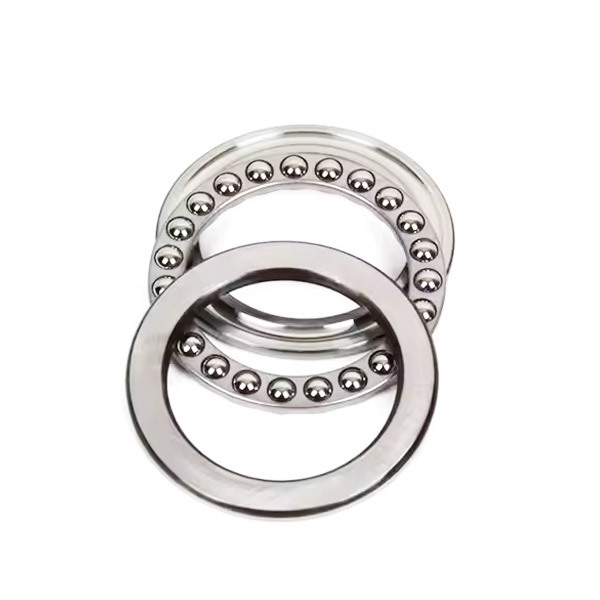
Thrust roller bearings are a specific type of rolling element bearing designed to accommodate axial loads while minimizing friction. Their unique construction comprises cylindrical rollers that are placed between two raceways, allowing for efficient load distribution and movement. These bearings are primarily employed in applications where thrust loads are prevalent, such as in gearboxes, cranes,
One of the defining features of thrust roller bearings is their ability to handle high axial loads. Unlike standard ball bearings, which are better suited for radial loads, thrust roller bearings excel in situations where the force is applied parallel to the shaft. Their design includes a larger contact area between the rollers and the raceways, which enhances their load-carrying capacity. This aspect makes them ideal for heavy-duty applications where reliability and durability are paramount.
The operational efficiency of thrust roller bearings can be attributed to several factors. First, their cylindrical roller design reduces the frictional forces during operation, which not only extends the bearing's lifespan but also contributes to lower energy consumption. Furthermore, the precise alignment of the rollers within the bearing ensures smooth movement, which is crucial for minimizing wear and tear on both the bearing and the associated machinery.
In terms of applications, thrust roller bearings find utility in various industrial sectors. They are commonly used in marine applications, such as in ship propeller shafts, where they help support the axial loads generated by the thrust of the propeller. Additionally, they are integral components in construction equipment and mining machinery, where they endure substantial forces and contribute to the overall efficiency of the equipment.
When selecting thrust roller bearings for a specific application, it is essential to consider several factors, including load capacity, speed requirements, and environmental conditions. Proper lubrication is also critical, as it can greatly affect the performance and longevity of the bearings. Regular maintenance and monitoring can help identify potential issues before they lead to failure, ensuring that machinery operates smoothly and efficiently.
In conclusion, thrust roller bearings play a vital role in the performance of industrial equipment by effectively managing axial loads. Their robust design, combined with the ability to reduce friction, makes them indispensable in various applications. Understanding their functionality and maintenance requirements is key to optimizing their performance and ensuring the reliability of the machinery they support. Whether you are in the design phase of equipment or maintaining existing machinery, a thorough knowledge of thrust roller bearings can greatly enhance operational success.
RELATED BLOGS

10% DISCOUNT FOR NEW CUSTOMERS

WhatsApp:+8613211157555
Tel: +8613211157555
Address:Room 1106, 11th Floor, No. 23, Fengshan West Road, Jinbang Community, Daliang Street, Shunde District, Foshan City, Guangdong Province
Copyright 2025 Schaeffler (Guangdong) Transmission Technology Co., Ltd. SEO Business license