30
2026
-
09
Angular Contact Ball Bearings: Key Features You Should Know for Optimal Performance
Angular Contact Ball Bearings: Key Features You Should Know for Optimal Performance Table of Contents 1. Introduction to Angular Contact Ball Bearings 2. What are Angular Contact Ball Bearings? 3. Key Features of Angular Contact Ball Bearings 3.1 Design and Structure 3.2 Load Capacity 3.3 Angular Contact Angle 3.4 Friction and Wear Characteristics 4. A
Angular Contact Ball Bearings: Key Features You Should Know for Optimal Performance
Table of Contents
- 1. Introduction to Angular Contact Ball Bearings
- 2. What are Angular Contact Ball Bearings?
- 3. Key Features of Angular Contact Ball Bearings
- 3.1 Design and Structure
- 3.2 Load Capacity
- 3.3 Angular Contact Angle
- 3.4 Friction and Wear Characteristics
- 4. Applications of Angular Contact Ball Bearings
- 5. Benefits of Using Angular Contact Ball Bearings
- 6. Maintenance Tips for Angular Contact Ball Bearings
- 7. Common Issues and Troubleshooting
- 8. Conclusion
1. Introduction to Angular Contact Ball Bearings
Angular contact ball bearings are specialized components designed to support both axial and radial loads, making them vital in various industrial applications. These bearings consist of balls and raceways, arranged in a manner that allows them to accommodate loads from multiple directions. Their unique design and performance characteristics make them ideal for high-speed and precision applications.
2. What are Angular Contact Ball Bearings?
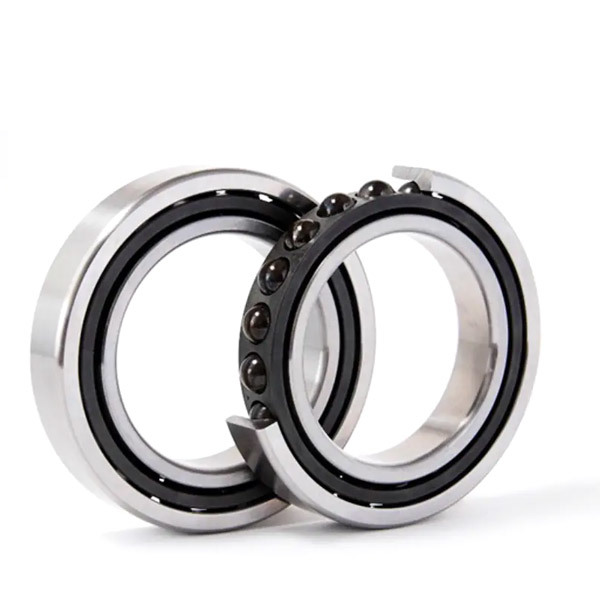
Angular contact ball bearings feature an inner and outer ring, each of which contains a groove. The balls are positioned between these grooves in such a way that they can handle axial loads in a particular direction. The angle at which the balls contact the raceway is known as the "contact angle," and it plays a crucial role in determining the bearing's load capacity and overall performance.
3. Key Features of Angular Contact Ball Bearings
3.1 Design and Structure
The design of angular contact ball bearings allows for optimized load distribution. The inner and outer rings are designed with specific angles that enhance their performance under load. The size and number of balls can vary, depending on the bearing's application. The ability to customize these features ensures that angular contact ball bearings can meet various operational demands.
3.2 Load Capacity
Angular contact ball bearings are known for their high load capacity. This is primarily due to the design that allows for increased contact between the balls and raceways. They can withstand both radial and axial loads, making them suitable for applications where both types of load are present. The load rating of angular contact ball bearings is higher than that of standard ball bearings, allowing for longer service life and improved reliability.
3.3 Angular Contact Angle
The contact angle is a defining characteristic of angular contact ball bearings. It can vary from 15° to 40°, with larger angles allowing for higher axial load capacity. The choice of contact angle influences the bearing's performance in specific applications. For instance, a larger contact angle is beneficial in applications requiring high axial loads, while a smaller angle may be more suitable for applications with predominantly radial loads.
3.4 Friction and Wear Characteristics
One of the critical advantages of angular contact ball bearings is their low friction and wear characteristics. The contact between the balls and raceways is engineered to minimize friction, thus reducing heat generation and wear. This feature contributes to the overall efficiency of machinery, leading to lower operational costs and prolonged service life.
4. Applications of Angular Contact Ball Bearings
Angular contact ball bearings are used in a wide variety of industries. Their versatility allows them to function effectively in applications such as:
- **Machine tools**: Providing precision and stability in high-speed operations.
- **Electric motors**: Supporting both radial and axial loads while maintaining efficiency.
- **Automobiles**: Enhancing performance in wheel hubs and transmission systems.
- **Industrial machinery**: Ensuring reliability and performance in demanding environments.
5. Benefits of Using Angular Contact Ball Bearings
The benefits of angular contact ball bearings are numerous:
- **Enhanced Performance**: Their design allows for superior load handling and reduced friction.
- **Versatility**: Suitable for various applications across different industries.
- **Longevity**: High load capacity and reduced wear contribute to a longer service life.
- **Efficiency**: Lower energy consumption due to minimized friction.
6. Maintenance Tips for Angular Contact Ball Bearings
Proper maintenance of angular contact ball bearings is essential for ensuring optimal performance and longevity. Here are some tips:
- **Regular Inspections**: Check for signs of wear or damage, such as noise or overheating.
- **Lubrication**: Ensure that bearings are adequately lubricated to minimize friction and wear. Use the recommended type of lubricant.
- **Environment Control**: Protect bearings from contaminants and extreme temperatures that could affect their performance.
7. Common Issues and Troubleshooting
Despite their robust design, angular contact ball bearings may encounter issues. Common problems include:
- **Excessive Heat**: This can indicate insufficient lubrication or misalignment. Regular checks can help identify potential problems before they escalate.
- **Noise**: Unusual sounds may signal wear or damage. Inspect bearings and replace them if necessary.
- **Vibration**: This can be indicative of misalignment or imbalance. Ensure that all components are properly installed and aligned.
8. Conclusion
Angular contact ball bearings are indispensable components in various industrial applications, offering unique features and benefits that enhance machinery performance. Understanding their design, load capacity, and maintenance requirements is crucial for selecting the right bearings for your specific needs. By taking advantage of the benefits associated with angular contact ball bearings, businesses can improve efficiency, reduce operational costs, and ensure the longevity of their equipment.

10% DISCOUNT FOR NEW CUSTOMERS

WhatsApp:+8613211157555
Tel: +8613211157555
Address:Room 1106, 11th Floor, No. 23, Fengshan West Road, Jinbang Community, Daliang Street, Shunde District, Foshan City, Guangdong Province
Copyright 2025 Schaeffler (Guangdong) Transmission Technology Co., Ltd. SEO Business license