28
2026
-
09
How Self-Aligning Ball Bearings Contribute to Machinery Efficiency
How Self-Aligning Ball Bearings Contribute to Machinery Efficiency Table of Contents Introduction to Self-Aligning Ball Bearings Understanding the Design and Structure Key Benefits of Self-Aligning Ball Bearings Applications of Self-Aligning Ball Bearings in Industry Maintenance and Care for Optimal Performance Common Issues and Solutions The Future of Self-Aligning Ball Bearings
How Self-Aligning Ball Bearings Contribute to Machinery Efficiency
Table of Contents
- Introduction to Self-Aligning Ball Bearings
- Understanding the Design and Structure
- Key Benefits of Self-Aligning Ball Bearings
- Applications of Self-Aligning Ball Bearings in Industry
- Maintenance and Care for Optimal Performance
- Common Issues and Solutions
- The Future of Self-Aligning Ball Bearings
- Conclusion
- FAQs About Self-Aligning Ball Bearings
Introduction to Self-Aligning Ball Bearings
Self-aligning ball bearings are essential components used in various machinery and applications. Unlike standard bearings, these are designed to accommodate misalignment between the shaft and housing. This adaptability reduces friction and wear, ensuring smoother operation and increasing the lifespan of machinery. As industries strive for higher efficiency, understanding how self-aligning ball bearings contribute to machinery efficiency is crucial.
Understanding the Design and Structure
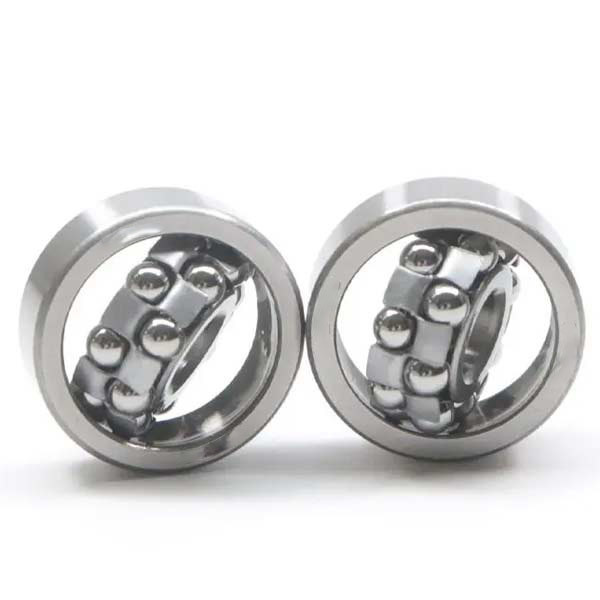
The design of self-aligning ball bearings consists of two main rings and a set of balls held in place by a cage. The outer ring has a spherical shape, allowing for self-alignment. This unique design helps absorb misalignments caused by shaft deflection or mounting errors. The inner ring can rotate freely, reducing the friction produced during operation. This structure not only enhances performance but also minimizes the chances of damage due to misalignment.
The Components of Self-Aligning Ball Bearings
- Outer Ring: Spherically shaped to provide alignment capabilities.
- Inner Ring: A standard cylindrical shape that supports the shaft.
- Balls: These provide the rolling motion and reduce friction.
- Cage: Holds the balls in place and ensures proper spacing.
Material Considerations
Self-aligning ball bearings are typically made from high-grade carbon chromium steel or stainless steel, depending on the application environment. These materials are selected for their ability to withstand heavy loads and resist wear, ensuring longevity and reliability.
Key Benefits of Self-Aligning Ball Bearings
Investing in self-aligning ball bearings brings numerous advantages that directly impact machinery efficiency:
1. Enhanced Misalignment Tolerance
One of the primary benefits of self-aligning ball bearings is their ability to tolerate misalignment. This feature allows machinery to operate smoothly even if there are slight deviations in alignment, reducing the risk of premature failure.
2. Reduced Friction and Wear
Because these bearings adjust to misalignment, they experience lower friction levels during operation. The reduced wear translates to longer service life and decreased maintenance costs.
3. Improved Load Distribution
Self-aligning ball bearings effectively distribute loads across the entire surface of the bearing. This even distribution minimizes wear and helps maintain the integrity of the machinery components.
4. Versatility in Applications
These bearings are not limited to a specific industry; they can be utilized in various applications, from automotive to manufacturing. Their versatility makes them a preferred choice for many engineers and designers.
5. Simplified Installation
The design of self-aligning ball bearings simplifies installation processes. Their ability to compensate for misalignment means that precise alignment is less critical, saving time and labor costs during setup.
Applications of Self-Aligning Ball Bearings in Industry
Self-aligning ball bearings are utilized in a wide range of industries, showcasing their adaptability and efficiency. Some prominent applications include:
1. Agriculture Machinery
In agriculture equipment, self-aligning ball bearings are commonly used in tractors, harvesters, and other machinery that experiences dynamic loads and misalignment due to terrain variations.
2. Manufacturing and Production Lines
In manufacturing, self-aligning ball bearings are used in conveyors and assembly lines. Their ability to maintain smooth rotation despite misalignment improves productivity and reduces downtime.
3. Automotive Applications
In the automotive sector, these bearings are found in various components, such as wheels and suspension systems, where they help absorb shocks and vibrations during operation.
4. Textile Industry
Textile machinery employs self-aligning ball bearings to ensure smooth operation of spinning and weaving machines, allowing for increased speed and efficiency in fabric production.
5. Renewable Energy Systems
With the rise of renewable energy, self-aligning ball bearings are increasingly used in wind turbines and solar tracking systems, where their self-aligning capabilities accommodate movement due to environmental factors.
Maintenance and Care for Optimal Performance
To ensure the longevity and efficiency of self-aligning ball bearings, regular maintenance and care are essential. Here are some best practices:
1. Regular Inspection
Conduct frequent inspections to check for signs of wear, misalignment, or damage. Early detection of issues can prevent costly repairs and downtime.
2. Proper Lubrication
Using the appropriate lubricant is crucial for reducing friction and preventing wear. Ensure that bearings are adequately lubricated based on the manufacturer's recommendations.
3. Cleanliness
Keep the surrounding area clean to prevent contamination. Dirt and debris can compromise the performance of bearings and lead to premature failure.
4. Alignment Checks
Even though self-aligning ball bearings can accommodate some misalignment, periodic alignment checks can enhance performance and reduce stress on the bearing.
5. Temperature Monitoring
Monitor the temperature of bearings during operation. Elevated temperatures can indicate issues such as insufficient lubrication or excessive load.
Common Issues and Solutions
While self-aligning ball bearings are designed for durability, certain issues can arise. Here are some common problems and their solutions:
1. Excessive Wear
Excessive wear may be caused by insufficient lubrication or contamination. Ensure regular lubrication and maintain cleanliness in the operating environment.
2. Noise and Vibration
Unusual noises or vibrations can indicate misalignment or damage. Investigate the source of the issue and address misalignments or replace damaged components as necessary.
3. Overheating
Overheating can result from excessive loads or inadequate lubrication. Monitor the operating conditions and adjust accordingly to prevent overheating.
The Future of Self-Aligning Ball Bearings
As technology advances, the future of self-aligning ball bearings looks promising. Innovations in material science may lead to lighter, more durable options that can withstand extreme conditions. Additionally, the integration of smart technology into bearings is expected to enhance monitoring and maintenance capabilities, allowing for predictive maintenance strategies.
Conclusion
Self-aligning ball bearings play a critical role in enhancing machinery efficiency across various industries. Their unique design allows them to accommodate misalignment, reduce friction, and improve load distribution, resulting in increased performance and reduced maintenance costs. By understanding their benefits, applications, and maintenance needs, industries can leverage the full potential of self-aligning ball bearings to maximize machinery efficiency and longevity.
FAQs About Self-Aligning Ball Bearings
1. What are self-aligning ball bearings used for?
Self-aligning ball bearings are used in machinery where alignment issues may occur, such as in agricultural equipment, manufacturing lines, automotive components, and renewable energy systems.
2. How do self-aligning ball bearings reduce friction?
They reduce friction by allowing the inner and outer rings to self-align, which minimizes contact and wear between moving parts.
3. What maintenance is required for self-aligning ball bearings?
Regular inspections, proper lubrication, cleanliness, alignment checks, and temperature monitoring are key maintenance practices to ensure optimal performance.
4. Can self-aligning ball bearings fail?
Yes, like any mechanical component, self-aligning ball bearings can fail due to excessive wear, misalignment, or contamination if not properly maintained.
5. Are self-aligning ball bearings more expensive than regular bearings?
While they may have a higher initial cost, their ability to reduce maintenance and prolong equipment life often makes them a more cost-effective choice in the long run.
RELATED BLOGS

10% DISCOUNT FOR NEW CUSTOMERS

WhatsApp:+8613211157555
Tel: +8613211157555
Address:Room 1106, 11th Floor, No. 23, Fengshan West Road, Jinbang Community, Daliang Street, Shunde District, Foshan City, Guangdong Province
Copyright 2025 Schaeffler (Guangdong) Transmission Technology Co., Ltd. SEO Business license