27
2026
-
09
Understanding Linear Bearings: Key Benefits and Applications
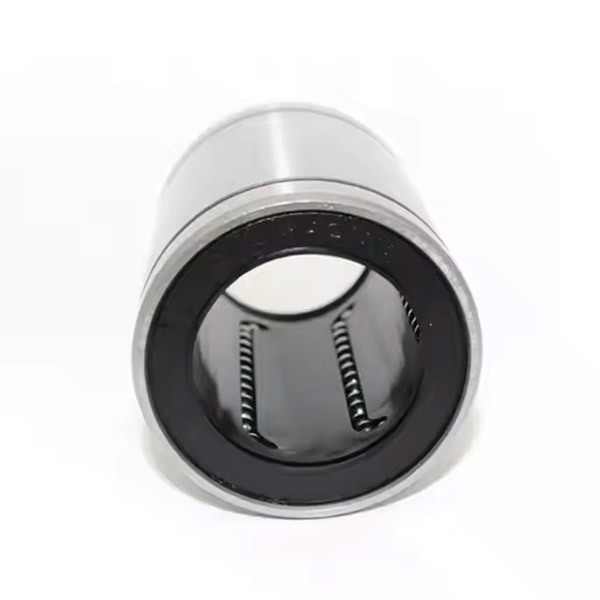
Linear bearings are designed to facilitate motion in a straight line with minimal friction. They are often used in conjunction with a shaft or rail, allowing for the smooth translation of loads. The primary function of linear bearings is to support moving parts and minimize wear and tear, which is essential in high-precision environments. One of the significant advantages of linear bearings is the
One of the significant advantages of linear bearings is their ability to reduce friction. Unlike traditional rotary bearings, which rely on rolling elements, linear bearings use a sliding mechanism that allows for a smoother operation. This feature is particularly beneficial in applications requiring high-speed movement and accuracy, such as CNC machines, 3D printers, and automated assembly lines.
Another key benefit of linear bearings is their versatility. They can be found in various configurations, including open and closed designs, which makes them suitable for different types of equipment. Open linear bearings allow for easier access and maintenance, while closed versions offer better protection against contaminants. This adaptability makes linear bearings an ideal choice for numerous industrial applications, from packaging to robotics.
The materials used in linear bearings also play a critical role in their performance. Typically constructed from high-quality steel or polymer materials, these bearings can withstand significant loads and harsh environments. Moreover, they are often lubricated to enhance their longevity and maintain their efficiency over time. Selecting the right material is crucial, as it can significantly impact the bearing's durability and operational lifespan.
Installation and alignment are key factors that influence the performance of linear bearings. Properly aligning the bearing with the shaft or rail is essential to avoid premature wear and ensure smooth operation. It is recommended to follow manufacturer guidelines during installation and to periodically check for any signs of misalignment or wear.
In conclusion, linear bearings are indispensable components in modern industrial systems, offering numerous advantages such as reduced friction, versatility, and enhanced performance. Understanding their characteristics and applications can help professionals make informed decisions when selecting the right bearing for their specific needs. By focusing on proper installation, maintenance, and material selection, industries can leverage the full potential of linear bearings to improve efficiency and productivity.
RELATED BLOGS

10% DISCOUNT FOR NEW CUSTOMERS

WhatsApp:+8613211157555
Tel: +8613211157555
Address:Room 1106, 11th Floor, No. 23, Fengshan West Road, Jinbang Community, Daliang Street, Shunde District, Foshan City, Guangdong Province
Copyright 2025 Schaeffler (Guangdong) Transmission Technology Co., Ltd. SEO Business license