07
2026
-
09
Understanding Tapered Roller Bearings: Key Features and Applications
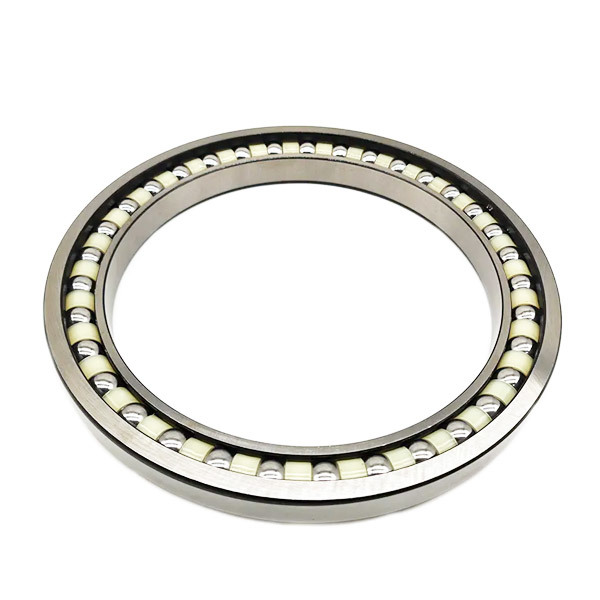
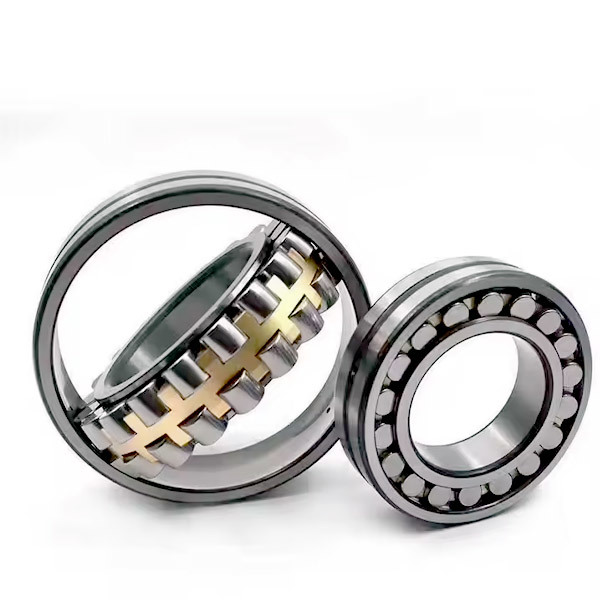
Tapered roller bearings are designed to accommodate both radial and axial loads, making them a preferred choice in applications where heavy loads and high-speed operations are common. The unique design of these bearings features a conical shape, allowing for better distribution of stress and improved load-carrying capabilities. Each bearing consists of an inner ring, an outer ring, and a set of ta
One of the key benefits of tapered roller bearings is their ability to support combined loads. In equipment such as gearboxes, automotive differentials, and industrial machinery, both radial and axial forces can occur simultaneously. Tapered roller bearings effectively manage these forces, enhancing the overall efficiency of the machinery. Furthermore, their capacity to handle significant thrust loads makes them ideal for applications in heavy-duty industries, including mining, construction, and manufacturing.
In terms of construction, tapered roller bearings are engineered to provide long-lasting performance even under demanding conditions. The materials used, typically high-quality steel or specialized alloys, enhance their resistance to wear and corrosion. Additionally, the precise manufacturing processes involved in their production ensure consistent quality and reliability.
Proper lubrication is essential to maximizing the lifespan and performance of tapered roller bearings. Regular maintenance routines should include checking lubrication levels and the condition of the grease or oil used. It is recommended to use lubricants that can withstand the specific operating conditions of the application, as this will further reduce friction and prevent overheating.
When selecting tapered roller bearings for a particular application, professionals should consider several factors, including load capacity, speed rating, and the specific alignment requirements of the machinery. It is also important to consider the operating environment; for instance, bearings used in harsh conditions may require additional sealing or protective features to prevent contamination.
In conclusion, tapered roller bearings are indispensable components in a wide range of industrial applications, offering unique benefits such as load handling capacity and durability. By understanding their features and maintenance needs, professionals can ensure the reliable performance of their machinery and optimize their operations. Whether in automotive, aerospace, or heavy industry, the intelligent integration of tapered roller bearings can lead to enhanced efficiency and productivity in industrial settings.

10% DISCOUNT FOR NEW CUSTOMERS

WhatsApp:+8613211157555
Tel: +8613211157555
Address:Room 1106, 11th Floor, No. 23, Fengshan West Road, Jinbang Community, Daliang Street, Shunde District, Foshan City, Guangdong Province
Copyright 2025 Schaeffler (Guangdong) Transmission Technology Co., Ltd. SEO Business license