06
2026
-
09
Understanding Load Distribution in Spherical Roller Bearings: Enhancing Performance and Longevity
Understanding Load Distribution in Spherical Roller Bearings Spherical roller bearings (SRBs) are integral components in various industrial applications, designed to support radial and axial loads. Their ability to accommodate misalignment while handling heavy loads makes them a popular choice in numerous sectors. To ensure peak performance and longevity of these bearings, a thorough understanding
Understanding Load Distribution in Spherical Roller Bearings
Spherical roller bearings (SRBs) are integral components in various industrial applications, designed to support radial and axial loads. Their ability to accommodate misalignment while handling heavy loads makes them a popular choice in numerous sectors. To ensure peak performance and longevity of these bearings, a thorough understanding of load distribution is crucial. This article delves into the mechanics of load distribution in SRBs, offering insights that can help optimize their performance.
What Are Spherical Roller Bearings?
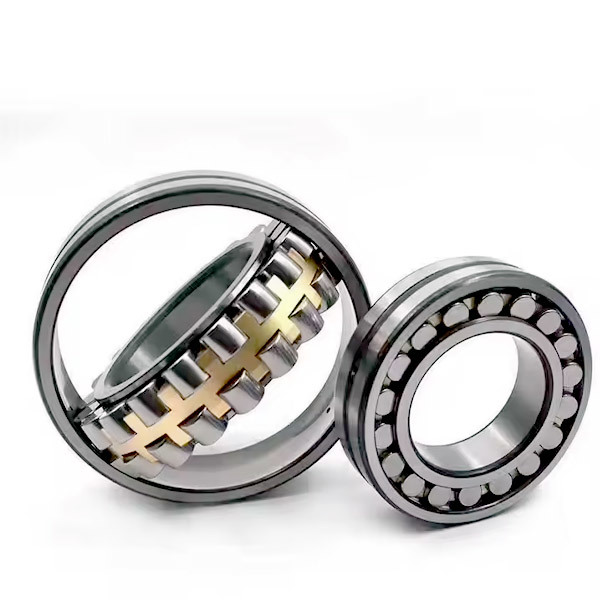
Spherical roller bearings consist of two rows of symmetrical rollers and a common spherical outer raceway. This design allows for angular misalignment and provides greater load-carrying capacities compared to other bearing types. Common applications include:
- Mining and mineral processing
- Construction machinery
- Wind turbines
- Steel mills
- Textile and paper manufacturing
Understanding their structure and functionality is the first step toward effectively managing load distribution.
The Importance of Load Distribution in Spherical Roller Bearings
Load distribution is critical in any bearing system. In spherical roller bearings, uneven load distribution can lead to premature wear, overheating, and ultimately, bearing failure. Proper load distribution ensures that:
- The bearing operates smoothly with minimal friction.
- The lifespan of the bearing is maximized.
- The overall efficiency of the machinery is enhanced.
Recognizing the factors that influence load distribution will empower engineers and maintenance personnel to make informed decisions about bearing selection and maintenance.
Factors Affecting Load Distribution
Several factors influence load distribution in spherical roller bearings:
1. Bearing Design
The geometry of the bearings plays a significant role in how loads are distributed. SRBs are designed to handle both radial and axial loads, and their unique shape allows them to accommodate misalignment, which helps distribute stress evenly.
2. Alignment of Shaft and Housing
Proper alignment between the shaft and housing is vital. Misalignment can cause uneven loading on the rollers, leading to excessive wear. Regular checks and adjustments can ensure optimal alignment.
3. Load Types and Magnitudes
The type of load—whether it's static, dynamic, or a combination—affects how it is distributed across the rollers. Understanding the load conditions will allow for better selection and arrangement of the bearings.
4. Operating Conditions
Temperature, speed, and environmental conditions can also influence load distribution. For instance, high temperatures can alter the material properties of the bearing, affecting its load-carrying capacity.
Understanding Load Distribution Mechanics
To better comprehend how loads are distributed across spherical roller bearings, it's essential to explore the mechanics involved.
1. Load Distribution Curve
The load distribution curve illustrates how loads are shared among the rollers. Ideally, the load should be evenly distributed; however, variations may occur due to misalignment or uneven loading conditions.
2. Pressure Distribution
Pressure distribution within the bearing is another critical aspect. Each roller experiences a certain amount of pressure based on its position and the applied load. This pressure affects the bearing's performance and durability.
3. Contact Angles
The contact angle between the roller and the raceway impacts load distribution. A steeper angle can lead to higher axial loads being transferred, which can influence the overall load capacity of the bearing.
Best Practices for Load Management in Spherical Roller Bearings
To achieve optimal load distribution in spherical roller bearings, several best practices can be implemented.
1. Regular Maintenance
Regular maintenance checks can help identify wear patterns and ensure that the bearings are functioning as intended. This includes lubrication, alignment checks, and inspection for any signs of damage.
2. Proper Lubrication
Lubrication reduces friction and wear between moving parts. Choosing the right lubricant and ensuring it is applied correctly can significantly enhance the bearing's performance and life span.
3. Monitoring Load Conditions
Keeping track of load conditions helps in adjusting operations to prevent overload scenarios. Utilizing sensors and monitoring systems can provide real-time data on load distribution.
4. Selecting the Right Bearing for the Application
Always choose bearings that match the specific requirements of the application, considering factors such as load types, environmental conditions, and alignment capabilities.
5. Training and Education
Investing in training for personnel on the proper handling and maintenance of spherical roller bearings can drastically reduce the risk of mishandling and ensure effective load distribution.
Applications of Spherical Roller Bearings in Various Industries
Spherical roller bearings find applications across multiple industries due to their versatility and reliability. Here are a few examples:
1. Mining and Heavy Machinery
In mining operations, SRBs are crucial for equipment such as conveyor belts, crushers, and excavators, where they manage heavy loads and withstand harsh operating conditions.
2. Wind Energy
In wind turbines, these bearings accommodate both radial and axial loads from the rotor, ensuring smooth operation even in varying wind conditions.
3. Agriculture
SRBs are utilized in agricultural machinery, including tractors and harvesters, where they handle substantial loads while maintaining efficiency.
4. Material Handling
Conveyor systems in warehouses and production lines employ spherical roller bearings for their ability to handle heavy and dynamic loads effectively.
Common Issues Related to Load Distribution in Spherical Roller Bearings
Despite their robust design, spherical roller bearings can encounter issues stemming from improper load distribution.
1. Uneven Wear Patterns
If the load is not evenly distributed, certain rollers may experience excessive wear, reducing the overall life of the bearing.
2. Increased Heat Generation
Uneven loads lead to increased friction, resulting in higher temperatures that can cause lubricant breakdown and eventual bearing failure.
3. Vibration and Noise
Improper load distribution can lead to imbalance in the bearing system, resulting in increased vibration and noise levels during operation.
FAQs about Load Distribution in Spherical Roller Bearings
1. What is load distribution in spherical roller bearings?
Load distribution refers to how the load is shared among the rollers in spherical roller bearings. Proper distribution is essential for optimal performance and longevity.
2. Why is alignment important in spherical roller bearings?
Alignment ensures that the loads are evenly distributed across the rollers, preventing excessive wear and potential bearing failure.
3. How can I determine if my spherical roller bearings are experiencing uneven load distribution?
Signs of uneven load distribution include increased wear on specific rollers, excessive heat generation, unusual vibrations, and noise during operation.
4. What role does lubrication play in load distribution?
Lubrication reduces friction between moving parts, which helps maintain optimal load distribution and prolongs the life of the bearing.
5. How can I improve load distribution in my spherical roller bearings?
Regular maintenance, proper lubrication, ensuring alignment, and selecting the right bearing for the application can significantly improve load distribution.
Conclusion
Understanding load distribution in spherical roller bearings is vital for enhancing their performance and longevity. By recognizing the factors that influence load distribution and implementing best practices for maintenance and monitoring, industries can optimize their bearing systems. With the right knowledge and tools, you can ensure that your spherical roller bearings operate smoothly and efficiently, ultimately leading to improved productivity and reduced downtime. Adopting a proactive approach to managing load distribution will not only enhance the reliability of your machinery but also contribute to significant cost savings in the long run.

10% DISCOUNT FOR NEW CUSTOMERS

WhatsApp:+8613211157555
Tel: +8613211157555
Address:Room 1106, 11th Floor, No. 23, Fengshan West Road, Jinbang Community, Daliang Street, Shunde District, Foshan City, Guangdong Province
Copyright 2025 Schaeffler (Guangdong) Transmission Technology Co., Ltd. SEO Business license