05
2026
-
09
Understanding Deep Groove Ball Bearings: Essential Insights for Industrial Applications
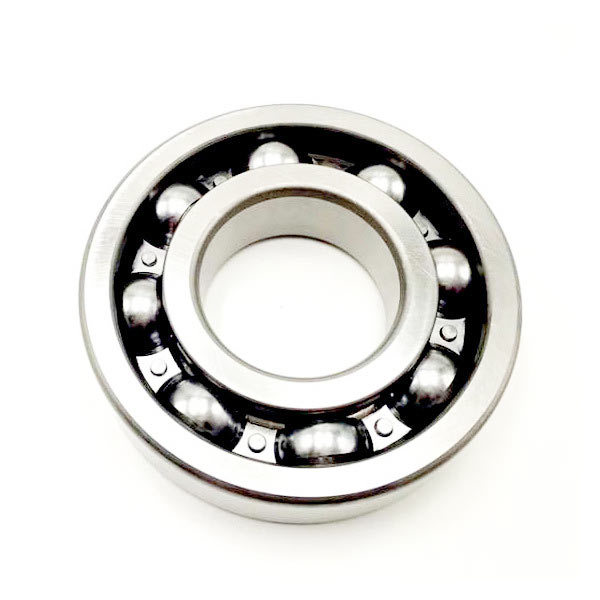
Deep groove ball bearings are among the most commonly used types of rolling bearings in various industrial applications. They are designed to accommodate both radial and axial loads, making them versatile components in machinery and equipment. This article delves into the essential features, advantages, and considerations related to deep groove ball bearings, providing valuable insights for profes
One of the primary characteristics of deep groove ball bearings is their simple design, which consists of an outer ring, an inner ring, a cage, and balls. The geometry of the raceway allows for a greater number of balls to be included, which contributes to their load-carrying capacity and stability. This design enables them to operate efficiently at high speeds, making them suitable for applications ranging from electric motors to automotive components.
The versatility of deep groove ball bearings extends to their ability to handle both radial and axial loads in both directions. This feature is particularly beneficial in scenarios where equipment experiences both types of loads simultaneously. As a result, these bearings are often found in industries such as manufacturing, automotive, aerospace, and even household appliances.
When selecting deep groove ball bearings for a specific application, several factors should be considered. The bearing's material, for instance, plays a crucial role in its durability and performance. Common materials include high-carbon steel and ceramic, each offering distinct advantages and disadvantages. Additionally, the choice of lubrication—whether grease or oil—can significantly impact the bearing's lifespan and efficiency.
Another critical consideration is the bearing's tolerance and precision. Deep groove ball bearings come in various classes of tolerance, which can affect their performance in high-speed applications. For example, higher precision bearings are necessary for applications in the aerospace industry, where even minute deviations can lead to catastrophic failures.
In conclusion, understanding deep groove ball bearings is essential for industrial professionals seeking to optimize the performance of their machinery. Their unique design and versatility make them indispensable in a wide range of applications. By considering factors such as material, lubrication, and tolerance, professionals can make informed decisions that enhance the reliability and efficiency of their systems. Whether you are involved in the manufacturing sector or working on engineering projects, a thorough knowledge of deep groove ball bearings will undoubtedly contribute to your success in the field.
RELATED BLOGS

10% DISCOUNT FOR NEW CUSTOMERS

WhatsApp:+8613211157555
Tel: +8613211157555
Address:Room 1106, 11th Floor, No. 23, Fengshan West Road, Jinbang Community, Daliang Street, Shunde District, Foshan City, Guangdong Province
Copyright 2025 Schaeffler (Guangdong) Transmission Technology Co., Ltd. SEO Business license