04
2026
-
09
Thrust Roller Bearings: Key Features That Enhance Performance
Thrust Roller Bearings: Key Features That Enhance Performance Table of Contents 1. Introduction to Thrust Roller Bearings 2. What Are Thrust Roller Bearings? 3. Key Features of Thrust Roller Bearings 3.1 Load Capacity and Distribution 3.2 Material Composition 3.3 Design Variations 3.4 Lubrication Practices 3.5 Operating Temperature Range 4. Benefits of Using Thrust Roller Bearings in Industrial Ap
Thrust Roller Bearings: Key Features That Enhance Performance
Table of Contents
1. Introduction to Thrust Roller Bearings
2. What Are Thrust Roller Bearings?
3. Key Features of Thrust Roller Bearings
3.1 Load Capacity and Distribution
3.2 Material Composition
3.3 Design Variations
3.4 Lubrication Practices
3.5 Operating Temperature Range
4. Benefits of Using Thrust Roller Bearings in Industrial Applications
5. Common Applications for Thrust Roller Bearings
6. Maintenance Tips for Thrust Roller Bearings
7. Frequently Asked Questions (FAQs)
8. Conclusion
1. Introduction to Thrust Roller Bearings
Thrust roller bearings are critical components in the machinery and industrial equipment that rely on precise motion. Their unique design makes them particularly well-suited for handling axial loads, which is essential in numerous applications. Understanding the **key features** that enhance their performance can guide you in selecting the right bearing for your specific needs, ultimately leading to increased efficiency and reduced operational costs.
2. What Are Thrust Roller Bearings?
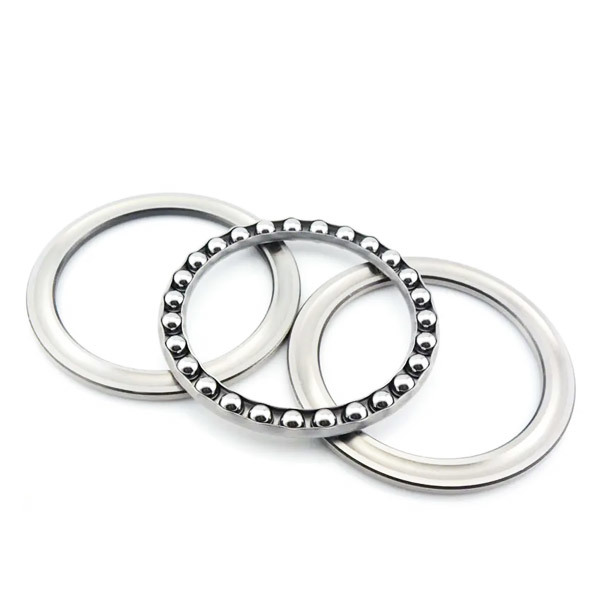
Thrust roller bearings consist of cylindrical or tapered rollers that are positioned between two races in a bearing assembly. These components are engineered to accommodate axial loads in one direction, making them ideal for applications where lateral forces are minimal. The geometry of the rollers allows for a larger contact surface, contributing to higher load capacities compared to other bearing types. This characteristic is paramount in many engineering applications, where reliability and performance are non-negotiable.
3. Key Features of Thrust Roller Bearings
The performance of thrust roller bearings is influenced by several **key features**. Understanding these elements helps in maximizing their operational capacity.
3.1 Load Capacity and Distribution
One of the most significant features of thrust roller bearings is their ability to handle substantial axial loads. The load distribution across the rollers plays a critical role in minimizing stress and prolonging the lifespan of the bearing. This feature ensures that thrust roller bearings can operate effectively in high-load environments, such as in gearboxes and turbines.
3.2 Material Composition
The materials used in thrust roller bearings significantly impact their performance. High-quality steel alloys are typically employed to provide enhanced strength and durability. Additionally, the introduction of advanced materials, such as ceramic and composite materials, can improve performance under extreme conditions, including high temperatures and corrosive environments.
3.3 Design Variations
Thrust roller bearings come in various designs to accommodate specific applications. For instance, **tapered roller bearings** are designed to handle both axial and radial loads, while **cylindrical roller bearings** focus primarily on axial loads. Understanding the specific design variations allows engineers to select the most suitable bearing type for their machinery.
3.4 Lubrication Practices
Effective lubrication is crucial in maintaining the performance of thrust roller bearings. Proper lubrication reduces friction, minimizes wear, and prevents overheating. Various lubrication methods are available, including grease and oil, and the choice depends on the operational environment and the intended use of the bearing. Regular maintenance checks on the lubrication system can prevent premature bearing failure.
3.5 Operating Temperature Range
The operating temperature range is another vital feature that affects the performance of thrust roller bearings. Different materials and lubricants operate optimally within specific temperature thresholds. Selecting bearings that can withstand the expected temperature variations is essential for ensuring longevity and reliability in demanding environments.
4. Benefits of Using Thrust Roller Bearings in Industrial Applications
Integrating thrust roller bearings into industrial applications offers numerous benefits. These include:
1. **Increased Load Capacity**: Thrust roller bearings allow for higher load capacities, enabling machinery to handle greater forces without compromising performance.
2. **Reduced Friction and Wear**: With proper lubrication, these bearings minimize friction, which leads to less wear and tear, resulting in extended service life.
3. **Improved Efficiency**: The reduced friction not only enhances the lifespan of the bearing but also improves overall machinery efficiency, positively impacting production rates.
4. **Versatility**: The various designs of thrust roller bearings make them suitable for a wide range of applications, from automotive to aerospace industries.
5. **Lower Maintenance Costs**: The durability and reliability of thrust roller bearings can lead to fewer breakdowns, reducing maintenance costs and downtime.
5. Common Applications for Thrust Roller Bearings
Thrust roller bearings are utilized across various industries due to their unique capabilities. Common applications include:
- **Automotive Transmissions**: They play a critical role in managing the axial loads in transmission systems, ensuring smooth vehicle operation.
- **Marine Equipment**: In ships and boats, thrust roller bearings help support propeller shafts and other axial load-bearing components.
- **Heavy Machinery**: Equipment such as cranes and excavators rely on thrust roller bearings for stability under heavy loads.
- **Aerospace**: In aircraft systems, these bearings are crucial for maintaining the performance of landing gear and other critical components.
- **Industrial Gearboxes**: Thrust roller bearings are essential in gear systems, where they manage axial loads effectively.
6. Maintenance Tips for Thrust Roller Bearings
To ensure the longevity and optimal performance of thrust roller bearings, regular maintenance is essential. Here are some practical tips:
1. **Routine Inspections**: Regularly inspect the bearings for signs of wear or damage. Visual inspections can help identify potential issues before they lead to failure.
2. **Lubrication Checks**: Ensure that the bearings are adequately lubricated based on the manufacturer's recommendations. Check for contamination in the lubrication system.
3. **Temperature Monitoring**: Keep track of the operating temperatures. If temperatures exceed the recommended range, it may indicate lubrication issues or excessive load.
4. **Alignment Verification**: Misalignment can lead to premature failure. Regularly check and adjust the alignment of the bearing assemblies.
5. **Load Monitoring**: Ensure that the loads applied to the bearings remain within the manufacturer's specifications to prevent overstressing the bearings.
7. Frequently Asked Questions (FAQs)
What are thrust roller bearings used for?
Thrust roller bearings are primarily used to support axial loads in various machinery and equipment. They are ideal for applications where lateral forces are minimal.
How do I choose the right thrust roller bearing?
Selecting the right thrust roller bearing involves considering factors such as load capacity, material composition, lubrication requirements, and the specific application needs.
What is the difference between thrust roller bearings and other bearing types?
Thrust roller bearings are specifically designed to handle axial loads, while other bearing types, such as ball bearings, can manage both radial and axial loads. Each type has unique design characteristics suited for different applications.
How can I extend the lifespan of thrust roller bearings?
To extend the lifespan of thrust roller bearings, ensure proper lubrication, maintain alignment, monitor operating temperatures, and regularly inspect for wear and damage.
Are thrust roller bearings suitable for high-speed applications?
While thrust roller bearings are designed for axial loads, they may not be the best choice for high-speed applications due to potential heat generation. Depending on the specific requirements, other bearing types may be more suitable.
8. Conclusion
Thrust roller bearings play a vital role in enhancing the performance of various industrial applications. Their unique design features, including high load capacity, material composition, and lubrication practices, contribute to their efficiency and longevity. By understanding these key aspects, industries can make informed decisions when integrating thrust roller bearings into their machinery. Proper maintenance and selection tailored to specific operational requirements will ensure that these bearings continue to deliver optimal performance over time.

10% DISCOUNT FOR NEW CUSTOMERS

WhatsApp:+8613211157555
Tel: +8613211157555
Address:Room 1106, 11th Floor, No. 23, Fengshan West Road, Jinbang Community, Daliang Street, Shunde District, Foshan City, Guangdong Province
Copyright 2025 Schaeffler (Guangdong) Transmission Technology Co., Ltd. SEO Business license