17
2026
-
08
How to Select the Right Thrust Roller Bearings for Your Needs
How to Select the Right Thrust Roller Bearings for Your Needs Table of Contents 1. Understanding Thrust Roller Bearings 2. Importance of Selecting the Right Bearings 3. Types of Thrust Roller Bearings 4. Key Factors to Consider When Selecting Bearings 4.1 Load Capacity 4.2 Operating Conditions 4.3 Material and Design 5. Installation an
How to Select the Right Thrust Roller Bearings for Your Needs
Table of Contents
- 1. Understanding Thrust Roller Bearings
- 2. Importance of Selecting the Right Bearings
- 3. Types of Thrust Roller Bearings
- 4. Key Factors to Consider When Selecting Bearings
- 5. Installation and Maintenance Tips
- 6. Common Mistakes to Avoid
- 7. Frequently Asked Questions (FAQs)
- 8. Conclusion
1. Understanding Thrust Roller Bearings
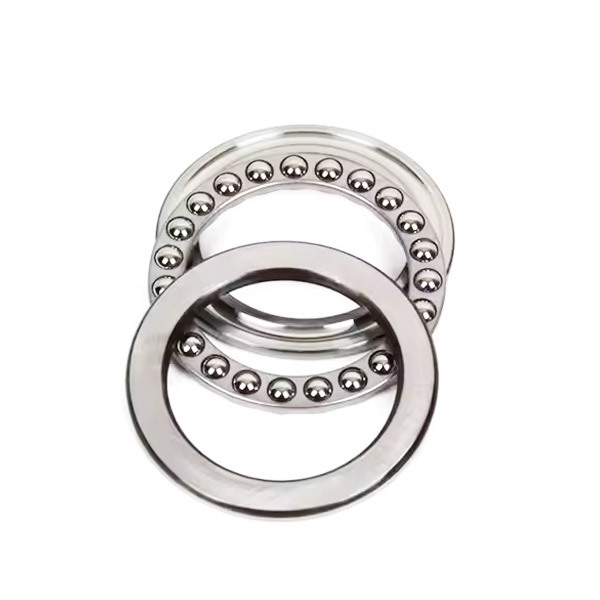
Thrust roller bearings are specialized components designed to support axial loads in various machinery. Unlike radial bearings, which handle loads perpendicular to the shaft's axis, thrust bearings absorb forces parallel to the shaft. This unique capability makes them ideal for applications where substantial axial loads are encountered, such as in gear drives, turbines, and heavy machinery.
These bearings come equipped with rolling elements, typically cylindrical rollers, that reduce friction and wear. By distributing the load over a larger surface area, thrust roller bearings enhance performance and extend the lifespan of both the bearing and the machinery it supports.
2. Importance of Selecting the Right Bearings
Choosing the correct thrust roller bearings is critical for achieving optimal operational efficiency and equipment longevity. The wrong selection can lead to premature failure, increased maintenance costs, and reduced productivity. Investing time in understanding your specific requirements will ultimately yield better performance and reliability in your applications.
Moreover, the right bearings can significantly influence the overall design and effectiveness of your machinery, reducing energy consumption and extending service intervals. Therefore, making an informed selection is not merely a technical decision; it's a strategic business move.
3. Types of Thrust Roller Bearings
Thrust roller bearings come in several varieties tailored to meet different operational needs. Understanding these types is essential for making the right choice.
3.1 Cylindrical Thrust Roller Bearings
Cylindrical thrust roller bearings are designed to handle high axial loads and are often used in heavy machinery and construction equipment. Their cylindrical rollers provide excellent stability and load distribution.
3.2 Spherical Thrust Roller Bearings
Spherical thrust roller bearings feature a convex roller design that allows for angular misalignment. These bearings are ideal for applications with dynamic loads and varying alignment conditions, such as in marine and automotive industries.
3.3 Tapered Thrust Roller Bearings
Tapered thrust roller bearings offer a combination of axial and radial load support. The tapered design allows for a compact structure while effectively managing high loads, making them suitable for diverse applications, including automotive and aerospace.
3.4 Needle Thrust Roller Bearings
Needle thrust roller bearings consist of long, thin rollers that provide a large load-carrying capacity in a compact form. Their design is particularly useful in applications where space is limited, such as in industrial gearboxes and pumps.
4. Key Factors to Consider When Selecting Bearings
When selecting thrust roller bearings, several critical factors must be taken into account. Each of these elements can significantly impact the performance and reliability of your machinery.
4.1 Load Capacity
The first consideration when selecting thrust roller bearings is their load capacity. Understanding the maximum axial loads your bearings will encounter is crucial. Ensure that the selected bearings meet or exceed these requirements to prevent premature failure.
Keep in mind that load capacity is not solely about bearing strength; it also involves understanding the application’s dynamic conditions. Analysis of peak loads, including shock loads and potential overload scenarios, will aid in making the right choice.
4.2 Operating Conditions
The operating environment plays a critical role in the selection of thrust roller bearings. Factors such as temperature, humidity, and exposure to contaminants must be evaluated.
For instance, if the bearings will operate in high-temperature environments, selecting high-temperature resistant materials is essential. Similarly, if exposure to dust, water, or chemicals is likely, bearings with sealing features or made from corrosion-resistant materials should be prioritized.
4.3 Material and Design
The material and design of thrust roller bearings affect their performance and durability. Common materials include steel and ceramic. Steel bearings are typically more robust and suitable for high-load applications, while ceramic bearings offer lower friction and higher resistance to wear and corrosion.
Additionally, the design of the bearing, including roller shape and configuration, influences its load distribution and overall performance. Consideration of these factors in relation to your specific application will help ensure optimal performance.
5. Installation and Maintenance Tips
Proper installation and maintenance are vital to the longevity and efficiency of thrust roller bearings. Follow these best practices to ensure reliability:
1. **Cleanliness**: Before installation, ensure that the bearing surfaces are clean and free from any dust or contaminants.
2. **Correct Tools**: Use appropriate tools for installation to avoid damaging the bearings. Avoid hammering, which can lead to misalignment.
3. **Lubrication**: Apply the right type and amount of lubrication as specified by the manufacturer. Proper lubrication minimizes friction and wear.
4. **Regular Inspection**: Schedule regular inspections to identify signs of wear or damage promptly. Early detection can prevent costly downtime.
5. **Alignment Checks**: Ensure proper alignment during installation. Misalignment can lead to uneven wear and premature failure.
6. Common Mistakes to Avoid
Avoiding pitfalls in the selection and application of thrust roller bearings is crucial for optimal performance. Here are some common mistakes to be aware of:
1. **Ignoring Load Requirements**: Failing to accurately assess the axial loads can lead to selecting a bearing that cannot withstand operational demands.
2. **Neglecting Operating Conditions**: Overlooking environmental factors can result in premature bearing failure due to corrosion or overheating.
3. **Improper Lubrication**: Using incorrect or insufficient lubrication can cause excessive wear and heat buildup, leading to bearing failure.
4. **Skipping Maintenance**: Regular maintenance and inspection are essential. Neglecting this can lead to unexpected breakdowns and expensive repairs.
5. **Choosing Cost Over Quality**: Opting for cheaper bearings may save money in the short term, but it can lead to higher costs in maintenance and replacements over time.
7. Frequently Asked Questions (FAQs)
7.1 What is the main function of thrust roller bearings?
Thrust roller bearings primarily support axial loads, allowing machinery components to operate smoothly without excessive friction.
7.2 How do I determine the load capacity of a thrust roller bearing?
Load capacity can be determined by consulting the bearing manufacturer's specifications, considering the maximum and dynamic loads your machinery will experience.
7.3 What maintenance practices should I follow for thrust roller bearings?
Regular inspection, proper lubrication, and ensuring cleanliness during installation are essential practices to maintain thrust roller bearings.
7.4 Can thrust roller bearings be used in high-temperature applications?
Yes, specialized thrust roller bearings designed for high-temperature applications are available. Always check manufacturer specifications for material compatibility.
7.5 How can I extend the lifespan of thrust roller bearings?
Ensuring proper installation, lubrication, and regular maintenance can significantly extend the lifespan of thrust roller bearings.
8. Conclusion
Selecting the right thrust roller bearings is an essential step towards achieving optimal performance in your machinery. By understanding the various types, key factors for selection, and best practices for installation and maintenance, you can avoid common pitfalls and enhance the reliability and longevity of your equipment.
Whether you’re dealing with cylindrical, spherical, tapered, or needle thrust roller bearings, making informed choices based on load capacity, operating conditions, and material design will yield significant benefits. With the right thrust roller bearings in place, your machinery can operate smoothly and efficiently, ultimately contributing to the success of your industrial operations.
RELATED BLOGS

10% DISCOUNT FOR NEW CUSTOMERS

WhatsApp:+8613211157555
Tel: +8613211157555
Address:Room 1106, 11th Floor, No. 23, Fengshan West Road, Jinbang Community, Daliang Street, Shunde District, Foshan City, Guangdong Province
Copyright 2025 Schaeffler (Guangdong) Transmission Technology Co., Ltd. SEO Business license