13
2026
-
08
Innovative Uses of Linear Bearings in Robotics and Automation
Innovative Uses of Linear Bearings in Robotics and Automation In the modern landscape of robotics and automation, the demand for precision and efficiency continues to rise. One critical component that plays a pivotal role in achieving these goals is the **linear bearing**. These devices provide smooth, controlled movement, making them indispensable in various robotic applications. In this article,
Innovative Uses of Linear Bearings in Robotics and Automation
In the modern landscape of robotics and automation, the demand for precision and efficiency continues to rise. One critical component that plays a pivotal role in achieving these goals is the **linear bearing**. These devices provide smooth, controlled movement, making them indispensable in various robotic applications. In this article, we will delve into the **innovative uses of linear bearings in robotics and automation**, exploring their functionalities, benefits, and the future of their applications.
Table of Contents
- What Are Linear Bearings?
- The Importance of Linear Bearings in Robotics
- Different Types of Linear Bearings
- Innovative Applications of Linear Bearings in Robotics
- Advantages of Using Linear Bearings in Automation
- Case Studies of Linear Bearings in Robotics
- Future Trends in Linear Bearing Technology
- Frequently Asked Questions
What Are Linear Bearings?
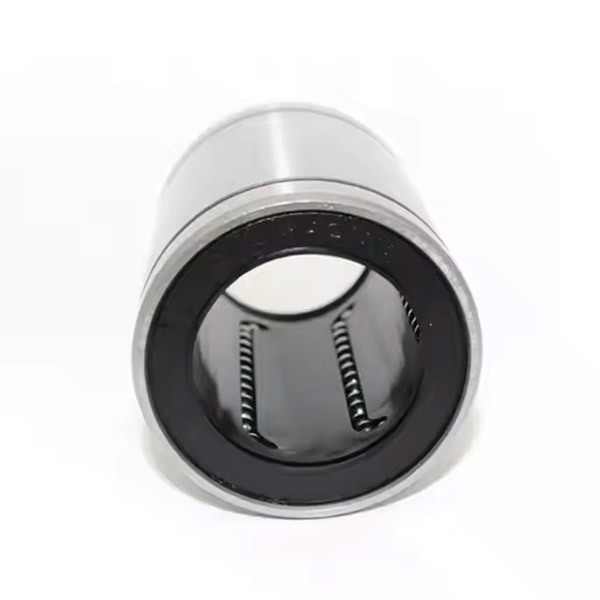
Linear bearings are mechanical devices that allow for smooth and precise linear motion between two surfaces. They typically consist of rolling elements, such as balls or rollers, housed within a track. This design minimizes friction and wear, enabling efficient movement. Linear bearings are widely used in applications requiring straight-line motion, making them particularly valuable in robotics and automation.
The Importance of Linear Bearings in Robotics
Linear bearings serve several crucial functions in robotic systems. They enhance the **accuracy** of movements, which is essential in tasks such as assembly, packaging, and material handling. By reducing friction, linear bearings allow robots to operate more efficiently, conserving energy and extending their operational lifespan. Moreover, the consistent performance of linear bearings contributes to the overall reliability of robotic systems, minimizing downtime and maintenance costs.
Precision and Accuracy
In robotics, precision is paramount. Linear bearings ensure that robotic arms and other components move exactly as intended, reducing the likelihood of errors that could lead to product defects or safety issues. This level of accuracy is particularly critical in sectors such as electronics manufacturing, where even minor deviations can result in significant losses.
Enhanced Speed and Efficiency
Linear bearings facilitate rapid movement without compromising control. This capability enables robots to perform tasks faster, boosting overall productivity. In an era where efficiency is crucial for competitive advantage, the role of linear bearings cannot be overstated.
Different Types of Linear Bearings
Understanding the various types of linear bearings is essential for selecting the right one for specific robotic applications. Each type offers unique benefits and is suited for different operating conditions.
Ball Bearings
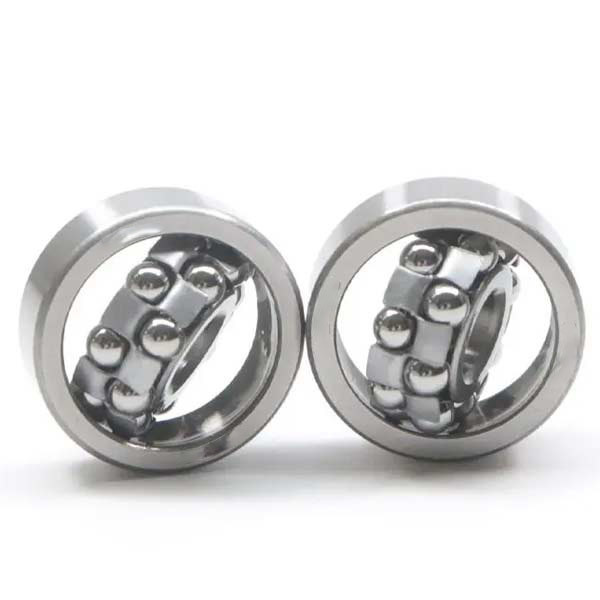
Ball bearings are the most common type of linear bearings. They use spherical balls as rolling elements, providing low friction and high load-carrying capacity. This makes them ideal for applications requiring smooth and precise movement.
Roller Bearings
Roller bearings utilize cylindrical rollers instead of balls, allowing them to support heavier loads. They are often used in heavy-duty applications, where durability and strength are paramount.
Magnetic Bearings
Magnetic bearings use magnetic fields to levitate the bearing components, reducing friction to virtually zero. This technology is particularly beneficial in high-speed applications and environments where contamination is a concern.
Innovative Applications of Linear Bearings in Robotics
The versatility of linear bearings allows for innovative applications across various fields. Here are some notable examples:
Robotic Arms in Manufacturing
Linear bearings are extensively utilized in robotic arms for assembly lines. They enable precise movements during the manipulation of parts, enhancing the accuracy of assembly tasks. This technology has revolutionized manufacturing, allowing for quicker production cycles and improved product quality.
Automated Guided Vehicles (AGVs)
AGVs play a significant role in warehouse automation. Linear bearings facilitate smooth navigation along predetermined paths, enabling these vehicles to transport goods efficiently. The integration of linear bearings in AGVs enhances their reliability and performance in complex environments.
3D Printing
In the field of 3D printing, linear bearings contribute to the motion of printheads and build platforms. Their ability to provide precise movement is crucial for achieving high-quality prints. Innovations in linear bearing technology continue to improve the speed and accuracy of 3D printers.
Medical Robotics
Medical robots, such as surgical systems, rely on linear bearings for precision maneuvering. The accuracy and stability provided by these components are critical in performing intricate procedures. As medical robotics advance, the demand for high-performance linear bearings will only increase.
Advantages of Using Linear Bearings in Automation
Integrating linear bearings into automation systems offers numerous advantages:
Reduced Maintenance Costs
The low friction nature of linear bearings minimizes wear and tear, leading to reduced maintenance requirements. This advantage translates to lower operational costs over time, making them a cost-effective solution for manufacturers.
Improved Motion Control
Linear bearings facilitate enhanced motion control, allowing for more complex robotic movements. This capability enables robots to perform a wider range of tasks, expanding their utility in various applications.
Compact Design
Many linear bearings feature a compact design, making them suitable for applications with limited space. Their versatility allows for integration into a variety of robotic systems without requiring significant alterations to existing designs.
Case Studies of Linear Bearings in Robotics
Examining real-world applications of linear bearings in robotics highlights their significance and effectiveness.
Case Study: Automated Assembly Lines
A leading electronics manufacturer implemented linear bearings in its automated assembly lines. The result was a 30% increase in production efficiency and a notable reduction in product defects, demonstrating the critical role of linear bearings in enhancing manufacturing processes.
Case Study: Robotics in Warehousing
An e-commerce giant adopted AGVs equipped with linear bearings to streamline its warehouse operations. The integration of these bearings improved load capacity and navigation precision, enabling the company to reduce delivery times and optimize inventory management.
Future Trends in Linear Bearing Technology
The future of linear bearings in robotics and automation is bright, with several trends shaping their development:
Smart Linear Bearings
With the rise of Industry 4.0, smart linear bearings equipped with sensors and IoT technology are emerging. These devices can monitor performance in real time, predicting maintenance needs and optimizing operational efficiency.
Advanced Materials
Research into advanced materials is leading to the development of lighter and stronger linear bearings. These innovations will enhance performance in demanding applications, particularly in robotics where weight and durability are critical factors.
Frequently Asked Questions
What are the main advantages of using linear bearings in robotics?
Linear bearings provide reduced friction, improved accuracy, enhanced speed, and lower maintenance costs, making them essential in robotic applications.
How do linear bearings differ from traditional bearings?
Linear bearings are designed for straight-line motion, while traditional bearings typically support rotational movement. This specialization allows linear bearings to excel in specific applications.
Can linear bearings be used in high-speed applications?
Yes, linear bearings, particularly magnetic and high-quality ball bearings, are suitable for high-speed applications due to their low friction properties.
What industries benefit the most from linear bearings?
Industries such as manufacturing, logistics, medical technology, and 3D printing benefit significantly from the use of linear bearings in their robotic systems.
Are there environmentally friendly options for linear bearings?
Yes, many manufacturers are developing linear bearings using sustainable materials and eco-friendly manufacturing processes, aligning with global efforts towards sustainability.
Conclusion
In conclusion, linear bearings are integral to the advancement of robotics and automation. Their ability to provide precision, efficiency, and reliability enhances the functionality of various robotic systems. As technology continues to evolve, the innovative uses of linear bearings will expand, paving the way for new applications and improvements in automation. Embracing these advancements will enable industries to remain competitive in an ever-evolving market.
RELATED BLOGS

10% DISCOUNT FOR NEW CUSTOMERS

WhatsApp:+8613211157555
Tel: +8613211157555
Address:Room 1106, 11th Floor, No. 23, Fengshan West Road, Jinbang Community, Daliang Street, Shunde District, Foshan City, Guangdong Province
Copyright 2025 Schaeffler (Guangdong) Transmission Technology Co., Ltd. SEO Business license