28
2026
-
07
Cylindrical Roller Bearings: The Key to Reducing Friction in Industrial Equipment
Cylindrical Roller Bearings: The Key to Reducing Friction in Industrial Equipment Table of Contents 1. Introduction to Cylindrical Roller Bearings 2. Design and Structure of Cylindrical Roller Bearings 3. Types of Cylindrical Roller Bearings 4. Applications of Cylindrical Roller Bearings in Industry 5. Benefits of Using Cylindrical Roller Bearings 6. Installation and Maintenance o
Cylindrical Roller Bearings: The Key to Reducing Friction in Industrial Equipment
Table of Contents
- 1. Introduction to Cylindrical Roller Bearings
- 2. Design and Structure of Cylindrical Roller Bearings
- 3. Types of Cylindrical Roller Bearings
- 4. Applications of Cylindrical Roller Bearings in Industry
- 5. Benefits of Using Cylindrical Roller Bearings
- 6. Installation and Maintenance of Cylindrical Roller Bearings
- 7. Troubleshooting Common Issues with Cylindrical Roller Bearings
- 8. Future Trends in Bearing Technology
- 9. Conclusion
- 10. FAQs
1. Introduction to Cylindrical Roller Bearings
Cylindrical roller bearings are essential components in various industrial applications aimed at minimizing friction between moving parts. These bearings are designed to accommodate heavy radial loads while allowing for limited axial movement. Their unique cylindrical shape enables a larger contact area between the rolling elements and raceways, which leads to reduced friction and increased efficiency.
As industries increasingly focus on enhancing productivity and reducing operational costs, the demand for high-quality bearings has surged. In this article, we explore the significance of cylindrical roller bearings, their design features, types, applications, and the benefits they offer to industrial equipment.
2. Design and Structure of Cylindrical Roller Bearings
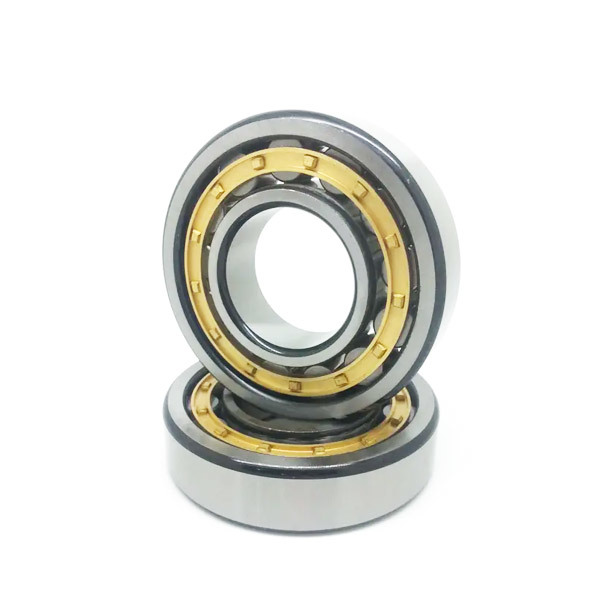
The design of cylindrical roller bearings is crucial for their performance. These bearings consist of an inner ring, outer ring, and cylindrical rollers. The inner and outer rings have raceways where the rollers are positioned. The cylindrical shape allows for optimal load distribution and minimizes the friction generated during operation.
**Key Components:**
- **Inner Ring:** The inner ring is mounted onto the shaft, providing a stable surface for the rollers to rotate against.
- **Outer Ring:** The outer ring is housed within the bearing housing and supports the rollers.
- **Rollers:** These cylindrical elements roll along the raceways, facilitating smooth movement while bearing the load.
- **Cage:** The cage, or separator, maintains the spacing between the rollers, preventing them from colliding and ensuring even load distribution.
The materials used in manufacturing cylindrical roller bearings, such as high-carbon chromium steel, significantly impact their performance, durability, and resistance to wear.
3. Types of Cylindrical Roller Bearings
Cylindrical roller bearings come in various configurations to suit specific applications. Here are the most common types:
3.1 Single-Row Cylindrical Roller Bearings
Single-row cylindrical roller bearings are designed to accommodate radial loads and are suitable for high-speed applications. They feature a simple design with a single row of rollers, making them easy to install and maintain.
3.2 Double-Row Cylindrical Roller Bearings
Double-row cylindrical roller bearings are engineered to handle higher radial loads compared to single-row bearings. With two rows of rollers, they provide increased load-carrying capacity, making them ideal for heavy machinery.
3.3 Full Complement Cylindrical Roller Bearings
Full complement cylindrical roller bearings have an increased number of rollers, eliminating the need for a cage. This design allows for maximum load capacity, making them suitable for applications with limited space.
3.4 Low Friction Cylindrical Roller Bearings
Low friction cylindrical roller bearings feature specialized designs and materials that reduce friction significantly. These bearings are particularly useful in energy-efficient applications, helping to lower operational costs.
4. Applications of Cylindrical Roller Bearings in Industry
Cylindrical roller bearings are employed across diverse industries due to their reliability and efficiency. Here are some key applications:
4.1 Manufacturing Equipment
In manufacturing plants, cylindrical roller bearings are extensively used in machinery such as lathes, milling machines, and conveyor systems. Their ability to handle heavy loads and high speeds makes them indispensable.
4.2 Automotive Industry
Cylindrical roller bearings are commonly found in automotive components, including transmissions and wheel hubs. They contribute to smooth operation and enhance the lifespan of vehicles.
4.3 Mining and Construction Equipment
In the mining and construction sectors, these bearings are crucial for machinery such as excavators, bulldozers, and cranes. Their robustness allows them to withstand harsh operating conditions and heavy loads.
4.4 Power Generation
Cylindrical roller bearings are used in wind turbines and generators, where they support rotating shafts and ensure smooth operation. Their low friction characteristics contribute to energy efficiency.
5. Benefits of Using Cylindrical Roller Bearings
The advantages of cylindrical roller bearings make them a preferred choice for many industrial applications:
5.1 Enhanced Efficiency
Due to their design, cylindrical roller bearings reduce friction, leading to improved operational efficiency. This results in lower energy consumption and operational costs.
5.2 Increased Load Capacity
With a larger contact area, these bearings can handle significant radial loads, making them suitable for heavy-duty applications.
5.3 Longer Lifespan
Cylindrical roller bearings are engineered to withstand wear and fatigue, promoting a longer service life. This reliability reduces downtime and maintenance costs.
5.4 Versatility
Cylindrical roller bearings can be adapted to various applications, making them versatile components in industrial machinery.
6. Installation and Maintenance of Cylindrical Roller Bearings
Proper installation and maintenance of cylindrical roller bearings are essential to ensure optimal performance and longevity.
6.1 Installation Guidelines
- **Cleanliness:** Ensure the mounting surfaces are clean and free from debris.
- **Alignment:** Properly align the bearing with the shaft and housing to prevent uneven wear.
- **Press Fit:** Use the appropriate method for press-fitting, ensuring an even distribution of force.
6.2 Maintenance Practices
- **Regular Inspection:** Monitor for signs of wear, such as noise or vibration.
- **Lubrication:** Keep the bearings adequately lubricated to reduce friction and prevent overheating.
- **Temperature Monitoring:** Check for abnormal temperature increases, which may indicate issues.
7. Troubleshooting Common Issues with Cylindrical Roller Bearings
Even with proper installation and maintenance, issues may arise. Here are some common problems and troubleshooting tips:
7.1 Excessive Noise
Excessive noise can indicate misalignment or inadequate lubrication. Inspect the alignment and ensure proper lubrication levels.
7.2 Overheating
Overheating may result from insufficient lubrication or excessive friction. Check the lubrication system and consider redesigning the bearing if necessary.
7.3 Wear and Tear
Regularly inspect the bearings for signs of wear. If significant wear is detected, replacement might be necessary to prevent equipment failure.
8. Future Trends in Bearing Technology
The bearing industry is evolving with advancements in technology. Here are some trends to watch:
8.1 Smart Bearings
Integration of IoT technology into bearings will enable real-time monitoring, predictive maintenance, and enhanced performance tracking.
8.2 Advanced Materials
The development of new materials will improve the wear resistance and performance of cylindrical roller bearings, leading to longer service lives.
8.3 Sustainable Practices
As industries focus on sustainability, manufacturers are implementing eco-friendly materials and production processes for bearings.
9. Conclusion
Cylindrical roller bearings are integral to minimizing friction and enhancing the efficiency of industrial equipment. Their robust design, coupled with their ability to handle heavy loads, makes them indispensable in various applications, from manufacturing to automotive and mining. Proper installation and maintenance are key to maximizing their performance and lifespan. As advancements in technology continue to shape the future of bearing design, industries can anticipate even greater efficiencies and sustainability in the years to come.
10. FAQs
10.1 What are cylindrical roller bearings used for?
Cylindrical roller bearings are used in various applications, including manufacturing machinery, automotive components, and heavy equipment, to reduce friction and support heavy loads.
10.2 How do you maintain cylindrical roller bearings?
Regular maintenance includes cleaning, lubrication, temperature monitoring, and inspection for wear or damage.
10.3 What are the benefits of using cylindrical roller bearings?
Benefits include enhanced efficiency, increased load capacity, longer lifespan, and versatility in applications.
10.4 Can cylindrical roller bearings operate at high speeds?
Yes, single-row cylindrical roller bearings are specifically designed to handle high-speed applications efficiently.
10.5 What are smart bearings?
Smart bearings are equipped with IoT technology that enables real-time monitoring and predictive maintenance, improving their performance and longevity.

10% DISCOUNT FOR NEW CUSTOMERS

WhatsApp:+8613211157555
Tel: +8613211157555
Address:Room 1106, 11th Floor, No. 23, Fengshan West Road, Jinbang Community, Daliang Street, Shunde District, Foshan City, Guangdong Province
Copyright 2025 Schaeffler (Guangdong) Transmission Technology Co., Ltd. SEO Business license