22
2026
-
07
How to Select the Right Deep Groove Ball Bearings for Your Project
How to Select the Right Deep Groove Ball Bearings for Your Project Selecting the right deep groove ball bearings is crucial for the performance and longevity of your machinery. These components play a vital role in reducing friction and supporting loads in various applications, making it essential to choose the appropriate type for your specific requirements. In this guide, we will cover everythin
How to Select the Right Deep Groove Ball Bearings for Your Project
Selecting the right deep groove ball bearings is crucial for the performance and longevity of your machinery. These components play a vital role in reducing friction and supporting loads in various applications, making it essential to choose the appropriate type for your specific requirements. In this guide, we will cover everything from the basics of deep groove ball bearings to advanced selection criteria, ensuring that you make an informed decision for your project.
Table of Contents
- What Are Deep Groove Ball Bearings?
- Types of Deep Groove Ball Bearings
- Key Factors in Selecting Deep Groove Ball Bearings
- Load Capacity and Performance Characteristics
- Material Options for Deep Groove Ball Bearings
- Bearing Sizes and Dimensions
- Installation and Maintenance Tips
- Frequently Asked Questions
- Conclusion
What Are Deep Groove Ball Bearings?
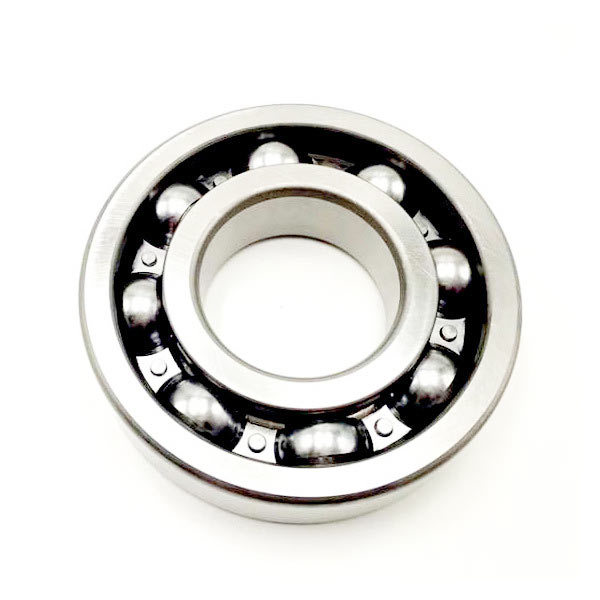
Deep groove ball bearings are one of the most commonly used types of bearings in machinery. They consist of an inner ring, outer ring, balls, and a cage that holds the balls in place. The design allows for both radial and axial loads, making them versatile for various applications ranging from electric motors to automotive components. Understanding their structure and function helps in selecting the right bearing for your project.
Key Features of Deep Groove Ball Bearings
- **Versatility**: Suitable for both radial and axial loads.
- **Durability**: Made from high-quality materials, offering excellent wear resistance.
- **Ease of Maintenance**: Requires minimal maintenance, making them ideal for long-term use.
Types of Deep Groove Ball Bearings
When selecting deep groove ball bearings, it's crucial to understand the different types available. Each type serves specific applications, and knowing your options can significantly impact the performance of your project.
Standard Deep Groove Ball Bearings
These are the most common type, suitable for a wide range of applications. They come in various sizes and configurations, making them adaptable to different projects.
Shielded and Sealed Deep Groove Ball Bearings
- **Shielded Bearings**: Equipped with metal shields to protect against contaminants while allowing for lubrication.
- **Sealed Bearings**: Feature seals that provide better protection against dust and moisture, often preferred for harsh environments.
Single Row vs. Double Row Deep Groove Ball Bearings
- **Single Row Bearings**: Commonly used in applications where space is a concern, capable of handling moderate axial loads.
- **Double Row Bearings**: Designed for high load capacity, suitable for heavier applications.
Key Factors in Selecting Deep Groove Ball Bearings
Several factors will influence your choice of deep groove ball bearings. Understanding these elements can lead to better performance and reliability in your machinery.
Load Requirements
Assessing the load your application will impose on the bearings is crucial. Consider both static and dynamic loads to ensure the bearings selected can handle the expected weight and forces.
Speed Ratings
Different bearings come with varying speed ratings. Ensure that the selected bearing can operate efficiently within the speed range of your application.
Environmental Conditions
Consider the operating environment. Dust, moisture, and extreme temperatures can affect bearing performance. Selecting shielded or sealed variants may increase longevity in such conditions.
Load Capacity and Performance Characteristics
Understanding load capacity is essential for ensuring that your deep groove ball bearings will perform well under stress. Here's a breakdown of the performance characteristics to consider:
Dynamic Load Rating
This rating indicates the load capacity of a bearing while in motion. Always ensure that the dynamic load rating exceeds the anticipated loads in your application.
Static Load Rating
This rating applies when the bearing is stationary. It's essential for applications where the load may remain static for extended periods.
Life Expectancy and Reliability
The lifespan of a bearing is often measured in hours of operation. The right selection can significantly improve reliability, reducing downtime and maintenance costs.
Material Options for Deep Groove Ball Bearings
The material from which deep groove ball bearings are made can significantly influence their performance and durability.
Steel Bearings
Standard steel bearings are durable and cost-effective but can be susceptible to rust and corrosion if not properly maintained.
Stainless Steel Bearings
Ideal for applications in corrosive environments, stainless steel bearings offer enhanced resistance to rust and chemical exposure, making them suitable for food processing and marine applications.
Polymer Bearings
Lightweight and resistant to corrosion, polymer bearings are suitable for applications where weight and rust prevention are critical.
Bearing Sizes and Dimensions
Selecting the correct bearing size is paramount for optimal performance. Understanding the common dimensions and designations can aid in making the right choice.
Standard Size Designations
Bearings are often designated by a standard numbering system, which indicates their size, type, and load capacity. Familiarize yourself with this system for easier selection.
Measuring Bearing Dimensions
Key dimensions include the inner diameter, outer diameter, and width. Accurate measurements ensure proper fit and function within your assembly.
Installation and Maintenance Tips
Proper installation and maintenance can extend the life of deep groove ball bearings. Here are some tips to consider:
Installation Procedures
- **Cleanliness**: Always ensure that the installation area and components are free from contaminants.
- **Proper Alignment**: Bearings should be aligned correctly to prevent uneven wear and failure.
- **Use of Appropriate Tools**: Specialized tools may be necessary for optimal installation without damaging the bearings.
Maintenance Practices
- **Regular Inspections**: Check for any signs of wear or damage periodically.
- **Lubrication**: Ensure adequate lubrication based on the manufacturer's recommendations to reduce friction and wear.
- **Temperature Monitoring**: Keep an eye on operating temperatures to avoid overheating, which can lead to premature failure.
Frequently Asked Questions
1. What is the difference between shielded and sealed deep groove ball bearings?
Shielded bearings have metal shields to protect against contaminants but can still allow some lubricant leakage. Sealed bearings have seals that offer a tighter fit and better protection but may have more limited lubrication.
2. How do I determine the correct load capacity for my bearings?
Consult the manufacturer's specifications for dynamic and static load ratings, and consider the maximum expected loads your application will exert on the bearings.
3. Can I use deep groove ball bearings in high-temperature environments?
Ensure you select materials that can withstand high temperatures, such as specialized heat-resistant alloys or ceramic materials.
4. How often should I lubricate my deep groove ball bearings?
Lubrication frequency will depend on the operating conditions and type of lubricant used. Generally, it should be done according to the manufacturer's guidelines.
5. What common mistakes should I avoid when selecting deep groove ball bearings?
Avoid choosing bearings based solely on price; always consider load capacity, environmental conditions, and compatibility with your machinery.
Conclusion
Selecting the right deep groove ball bearings for your project is essential for ensuring optimal performance and longevity. By considering factors such as load requirements, environmental conditions, and material options, you can make an informed decision that meets your specific needs. From understanding the different types of bearings to following proper installation and maintenance practices, this comprehensive guide equips you with the knowledge required to successfully navigate your bearing selection process. By investing time in the selection process, you lay the groundwork for reliable and efficient machinery that can stand the test of time.
RELATED BLOGS

10% DISCOUNT FOR NEW CUSTOMERS

WhatsApp:+8613211157555
Tel: +8613211157555
Address:Room 1106, 11th Floor, No. 23, Fengshan West Road, Jinbang Community, Daliang Street, Shunde District, Foshan City, Guangdong Province
Copyright 2025 Schaeffler (Guangdong) Transmission Technology Co., Ltd. SEO Business license