11
2026
-
11
The Essential Guide to Linear Bearings: Enhancing Precision and Efficiency in Industrial Applications
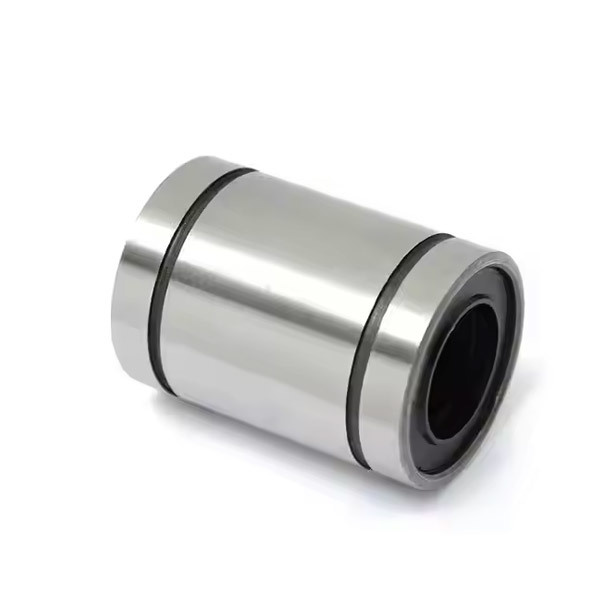
Linear bearings are pivotal components in various industrial applications, serving as the backbone for motion systems that require precision and reliability. Unlike traditional bearings that provide rotational motion, linear bearings facilitate smooth and accurate linear movement along a shaft. This capability is crucial in systems where precise positioning is paramount, such as in CNC machines, r
The basic design of a linear bearing consists of rolling elements—often ball or roller bearings—that travel along a rail or shaft. This design minimizes friction, enabling the bearing to support heavy loads while maintaining a high level of accuracy. As a result, linear bearings are often employed in applications requiring repetitive motion, ensuring consistent performance over extended periods.
One of the key advantages of linear bearings is their ability to reduce wear and tear on moving parts, which enhances the longevity of machinery. Since they provide low friction, linear bearings help in conserving energy by decreasing the amount of force needed to move equipment. This efficiency is particularly beneficial in automated processes, where energy savings can lead to significant reductions in operational costs.
In addition to their efficiency, linear bearings can be customized to meet specific application needs. Various configurations and materials, such as stainless steel or plastic, can be selected based on the environment in which they will operate. For instance, in environments exposed to moisture or corrosive substances, corrosion-resistant materials are essential to ensure the durability of the bearings.
Furthermore, linear bearings are integral to the development of automation systems. In robotics, they allow for precise movements that are essential for tasks such as assembly, welding, and material handling. The reliability of linear bearings contributes to the overall effectiveness of these systems, making them indispensable in modern manufacturing processes.
When selecting linear bearings, it is crucial to consider factors such as load capacity, speed requirements, and environmental conditions. Understanding these parameters will enable engineers and procurement professionals to choose the right type of linear bearing that not only fits their operational needs but also enhances the overall system performance.
In conclusion, linear bearings are fundamental components in the realm of industrial equipment, providing unparalleled precision and efficiency in linear motion applications. Their ability to mitigate friction and wear while adapting to various operational environments makes them a preferred choice for engineers and manufacturers alike. By integrating high-quality linear bearings into machinery, businesses can achieve significant improvements in productivity and operational longevity.

10% DISCOUNT FOR NEW CUSTOMERS

WhatsApp:+8613211157555
Tel: +8613211157555
Address:Room 1106, 11th Floor, No. 23, Fengshan West Road, Jinbang Community, Daliang Street, Shunde District, Foshan City, Guangdong Province
Copyright 2025 Schaeffler (Guangdong) Transmission Technology Co., Ltd. SEO Business license