10
2026
-
11
Choosing the Right Needle Roller Bearing for Your Application: A Comprehensive Guide
Choosing the Right Needle Roller Bearing for Your Application Table of Contents 1. Introduction to Needle Roller Bearings 2. Understanding the Components of Needle Roller Bearings 3. Types of Needle Roller Bearings 3.1. Standard Needle Roller Bearings 3.2. Needle Roller Bearings with Inner Rings 3.3. Needle Roller Bearings Without Inner Rings 4. Key Applications of Needle Roller Bearings 5. Factor
Choosing the Right Needle Roller Bearing for Your Application
Table of Contents
1. Introduction to Needle Roller Bearings
2. Understanding the Components of Needle Roller Bearings
3. Types of Needle Roller Bearings
3.1. Standard Needle Roller Bearings
3.2. Needle Roller Bearings with Inner Rings
3.3. Needle Roller Bearings Without Inner Rings
4. Key Applications of Needle Roller Bearings
5. Factors to Consider When Choosing Needle Roller Bearings
5.1. Load Capacity
5.2. Operating Conditions
5.3. Size and Design Specifications
6. Installation and Maintenance Tips for Needle Roller Bearings
7. Frequently Asked Questions (FAQs)
8. Conclusion
1. Introduction to Needle Roller Bearings
Needle roller bearings are a type of rolling-element bearing that utilizes long, thin cylindrical rollers resembling needles. These bearings are designed to support high radial loads while taking up minimal space. They are particularly popular in applications where space-saving designs are essential. Understanding the intricacies of needle roller bearings can significantly enhance the performance of machinery and equipment.
2. Understanding the Components of Needle Roller Bearings
A needle roller bearing consists of several key components that work together to provide smooth operation.
2.1. Rollers
The rollers in a needle roller bearing are the primary load-carrying elements. Their elongated shape allows for a larger contact area with the inner and outer rings, making them suitable for handling significant loads.
2.2. Outer Ring
The outer ring of a needle roller bearing is typically a seamless component that provides stability and guidance for the rollers. It is essential for maintaining uniform spacing and alignment.
2.3. Inner Ring
Not all needle roller bearings have an inner ring, but when included, it acts as the raceway for the rollers, allowing them to rotate freely.
3. Types of Needle Roller Bearings
Selecting the correct type of needle roller bearing is crucial for compatibility with specific applications. Below are the primary types:
3.1. Standard Needle Roller Bearings
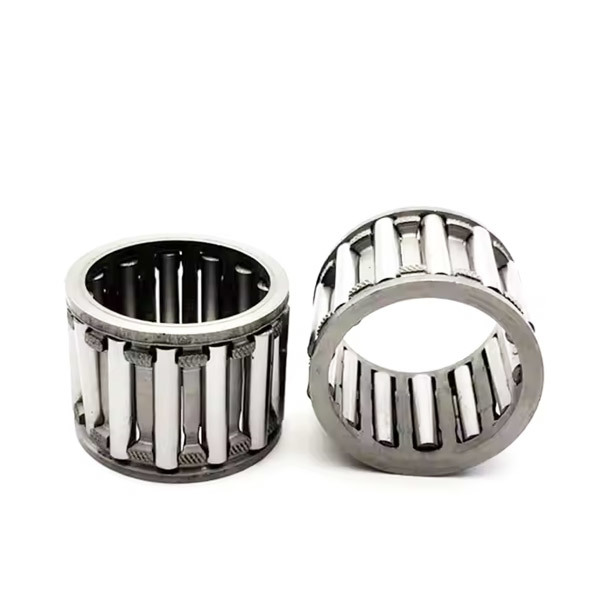
These are the most common type of needle roller bearings, featuring a cage that separates the rollers and maintains their position. This design minimizes friction and wear.
3.2. Needle Roller Bearings with Inner Rings
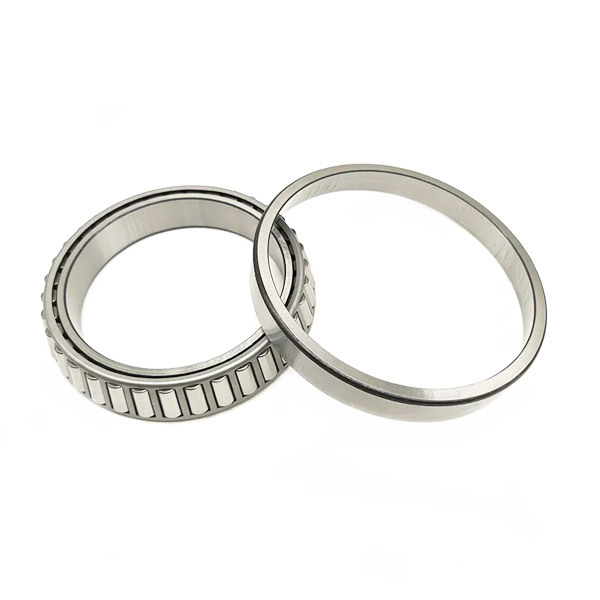
These bearings come with a machined inner ring that provides a raceway surface. They are ideal for applications where the shaft does not have a hardened surface.
3.3. Needle Roller Bearings Without Inner Rings
This type relies on the shaft's surface as the raceway for the rollers. They are typically used in applications where weight and space are critical.
4. Key Applications of Needle Roller Bearings
Needle roller bearings find their way into various industries, largely due to their compact design and high load capacity. Common applications include:
- **Automotive**: Used in transmissions, engines, and chassis components for their ability to handle high loads within confined spaces.
- **Industrial Machinery**: Essential in gearboxes, pumps, and conveyors, where precision and reliability are paramount.
- **Aerospace**: Suitable for aircraft engines and landing gear systems due to their lightweight and strength characteristics.
- **Agricultural Equipment**: Utilized in harvesters and tractors, providing durability in harsh environments.
5. Factors to Consider When Choosing Needle Roller Bearings
Selecting the right needle roller bearing involves careful consideration of various factors:
5.1. Load Capacity
Assess the maximum radial load the bearing will experience during operation. Needle roller bearings can handle heavy loads, but it's crucial to choose one that fits your specific load requirements.
5.2. Operating Conditions
Consider the environmental factors such as temperature, humidity, and exposure to contaminants. These conditions can significantly affect the bearing's performance and lifespan.
5.3. Size and Design Specifications
Ensure that the bearing dimensions align with your application’s design. This includes the inner and outer diameters, width, and overall geometry, which affect compatibility and performance.
6. Installation and Maintenance Tips for Needle Roller Bearings
Proper installation and maintenance are vital for extending the life of needle roller bearings.
- **Installation**: Follow the manufacturer’s guidelines for installation. Ensure that all surfaces are clean and well-lubricated. Misalignment during installation can lead to premature failure.
- **Lubrication**: Regularly check and maintain lubrication levels to reduce friction and wear. Depending on the application, you may use grease or oil.
- **Inspection**: Periodically inspect the bearings for signs of wear, such as discoloration, roughness, or noise during operation. Early detection of issues can prevent catastrophic failures.
7. Frequently Asked Questions (FAQs)
What materials are needle roller bearings made from?
Needle roller bearings are typically made from high-carbon chromium steel for durability and resistance to wear. Manufacturers may also use ceramic materials for specific high-performance applications.
How do I choose the right size needle roller bearing?
Choosing the correct size involves measuring the inner and outer diameters and the width of the bearing. Always refer to manufacturer specifications to ensure compatibility.
Can needle roller bearings handle thrust loads?
Needle roller bearings are primarily designed for radial loads. However, certain configurations, such as those with thrust washers, can accommodate limited axial loads.
What is the typical lifespan of a needle roller bearing?
The lifespan of a needle roller bearing can vary based on load conditions, lubrication, and operating environment. With proper maintenance, they can last several years.
Are there any special considerations for high-temperature applications?
In high-temperature applications, it is essential to select bearings made with materials that can withstand elevated temperatures, as well as appropriate lubricants that maintain consistency under heat.
8. Conclusion
Choosing the right needle roller bearing for your application is a critical decision that impacts the efficiency and longevity of your machinery. By understanding the various types, applications, and factors influencing your selection, you can make an informed choice that meets your operational needs. Prioritize quality, proper lubrication, and maintenance to ensure optimal performance and reliability. With the right needle roller bearing, you can enhance productivity and reduce downtime in your industrial processes.

10% DISCOUNT FOR NEW CUSTOMERS

WhatsApp:+8613211157555
Tel: +8613211157555
Address:Room 1106, 11th Floor, No. 23, Fengshan West Road, Jinbang Community, Daliang Street, Shunde District, Foshan City, Guangdong Province
Copyright 2025 Schaeffler (Guangdong) Transmission Technology Co., Ltd. SEO Business license