28
2026
-
11
The Importance of Lubrication in Needle Roller Bearings
The Importance of Lubrication in Needle Roller Bearings Needle roller bearings are essential components in many industrial applications, providing support and reducing friction between moving parts. However, the effectiveness and longevity of these bearings heavily depend on proper lubrication. In this article, we will delve into the **importance of lubrication** in needle roller bearings, explo
The Importance of Lubrication in Needle Roller Bearings
Needle roller bearings are essential components in many industrial applications, providing support and reducing friction between moving parts. However, the effectiveness and longevity of these bearings heavily depend on proper lubrication. In this article, we will delve into the **importance of lubrication** in needle roller bearings, exploring its benefits, best practices, and the consequences of neglecting this critical aspect of maintenance.
Understanding Needle Roller Bearings
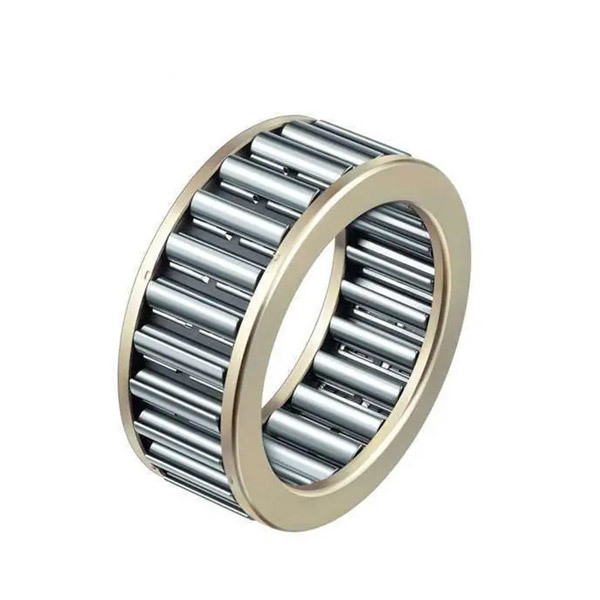
Before we discuss lubrication, it's essential to understand what needle roller bearings are and how they function. Unlike traditional ball bearings, needle roller bearings use elongated cylindrical rollers, which help minimize friction and increase load-carrying capacity. Their compact design allows them to fit into tight spaces, making them ideal for various applications, including automotive, machinery, and aerospace industries.
How Needle Roller Bearings Work
Needle roller bearings operate on a simple principle: by distributing the load across multiple contact points. The needle rollers roll between the inner and outer races, allowing for smooth motion while minimizing wear and tear. Proper lubrication is crucial in this process, as it reduces friction and prevents metal-to-metal contact, which can lead to premature failure.
The Role of Lubrication in Needle Roller Bearings
Lubrication serves several vital functions in needle roller bearings. Understanding these roles can help you appreciate the necessity of maintaining appropriate lubrication levels.
1. Reducing Friction
One of the primary functions of lubrication is to reduce friction between the needle rollers and the races. Friction generates heat, which can lead to thermal degradation of the bearing material, reducing efficiency and lifespan. **Proper lubrication ensures a thin film covers the roller surfaces**, allowing them to glide smoothly and minimizing frictional forces.
2. Preventing Wear and Tear
Over time, bearings experience wear due to the constant movement of the rollers. Without adequate lubrication, this wear can accelerate, resulting in surface damage and reduced performance. Lubricants create a protective layer that prevents direct contact between the moving parts, thereby prolonging the operational life of the bearings.
3. Dissipating Heat
As bearings operate, they generate heat due to friction. Effective lubrication helps dissipate this heat, preventing overheating and maintaining optimal operating temperatures. This thermal management is critical in ensuring the reliability and efficiency of needle roller bearings, especially in high-speed applications.
4. Corrosion Protection
Needle roller bearings are often exposed to harsh environments that can lead to corrosion. Lubricants contain additives that provide a protective barrier against moisture and contaminants, thereby preventing rust and corrosion. This protective aspect is crucial for maintaining the integrity of the bearings and ensuring their functionality over time.
Types of Lubricants for Needle Roller Bearings
Choosing the right lubricant is essential for maximizing the performance of needle roller bearings. Various types of lubricants can be used, each with its unique properties and benefits.
1. Grease
Grease is a common lubricant for needle roller bearings, known for its ability to stay in place and provide long-lasting protection. It typically contains a base oil combined with a thickening agent, offering excellent adhesion to surfaces. Grease is suitable for applications with moderate speeds and loads, providing effective lubrication and protection against contamination.
2. Oil
Oil is another popular lubricant choice, particularly in high-speed applications. Oils can flow freely, providing better cooling and lubrication than grease. However, they may require more frequent replenishment, especially in environments where contamination is a concern. **Synthetic oils**, in particular, offer enhanced performance in extreme temperatures and conditions.
3. Solid Lubricants
Solid lubricants, such as graphite or molybdenum disulfide, can also be applied to needle roller bearings. These lubricants are beneficial in situations where liquid lubricants may not be suitable due to high temperatures or harsh conditions. Solid lubricants can provide effective lubrication even in the absence of a liquid film.
Best Practices for Lubrication of Needle Roller Bearings
To ensure optimal performance and longevity of needle roller bearings, adhering to best practices for lubrication is essential. Here are some key strategies to follow:
1. Regular Monitoring
Establish a routine monitoring system to assess lubrication levels and the condition of the lubricant. Look for signs of contamination, degradation, or depletion. Regular checks can help prevent issues before they escalate into more significant problems.
2. Choosing the Right Lubricant
Select the appropriate lubricant based on the application requirements, including speed, load, and environmental conditions. Consider factors such as viscosity, temperature range, and compatibility with bearing materials.
3. Proper Application Techniques
When applying lubricant, ensure it reaches all critical areas of the bearing. Use techniques such as filling, re-greasing, or oiling, depending on the type of lubricant and bearing design. Avoid over-lubrication, as this can lead to increased pressure and potential bearing failure.
4. Environmental Considerations
Take note of the working environment. Bearings operating in dirty or corrosive conditions may require more frequent lubrication and higher-quality lubricants. In such cases, consider using seals or shields to protect the bearings and maintain lubricant integrity.
5. Training and Education
Educate your team about the importance of lubrication and proper maintenance techniques. Training sessions can help ensure everyone understands the significance of lubrication, promoting a culture of proactive maintenance.
Consequences of Neglecting Lubrication
Failing to maintain proper lubrication can lead to severe consequences for needle roller bearings and the machinery they support. Understanding these potential risks can motivate better lubrication practices.
1. Increased Friction and Heat
Without sufficient lubrication, friction levels rise, generating excessive heat. This heat can lead to thermal expansion, resulting in misalignment and further deterioration of bearing surfaces.
2. Premature Wear and Failure
Neglected lubrication can accelerate wear on needle rollers and races, leading to premature bearing failure. Replacing bearings is costly and can result in unexpected downtime, affecting production and profitability.
3. Contamination Issues
Inadequate lubrication can allow contaminants to enter the bearing assembly, leading to damage and reduced performance. Dirt, dust, and moisture can compromise the lubricant's effectiveness, further exacerbating wear and tear.
4. Increased Energy Consumption
Increased friction due to poor lubrication can lead to higher energy consumption in machinery. This inefficiency can result in increased operational costs and reduced overall productivity.
Frequently Asked Questions (FAQs)
1. How often should I lubricate needle roller bearings?
The frequency of lubrication depends on the application, load, and operating environment. Regular monitoring and following manufacturer guidelines can help determine the right schedule.
2. What type of lubricant is best for needle roller bearings?
The best lubricant varies based on application requirements. Grease is suitable for moderate speeds, while oil is preferable for high-speed operations. Consider environmental factors as well.
3. Can I use the same lubricant for all needle roller bearings?
No, different applications may require different lubricants. It's essential to choose a lubricant that matches the specific needs of each bearing application.
4. What are the signs of inadequate lubrication in needle roller bearings?
Signs include unusual noise, overheating, increased vibration, and visible wear on bearing surfaces. Regular inspections can help identify these issues early.
5. Is it possible to over-lubricate needle roller bearings?
Yes, over-lubrication can lead to increased pressure and potential failure. Follow manufacturer recommendations and apply lubricants judiciously.
Conclusion
In summary, lubrication is a critical factor in the performance and longevity of needle roller bearings. By understanding the roles of lubrication, selecting the appropriate lubricants, and adhering to best practices, we can significantly enhance the durability and efficiency of these essential components. Neglecting lubrication can lead to severe consequences, including increased wear, overheating, and premature failures, resulting in costly downtime and repairs. Prioritizing lubrication in maintenance schedules is vital for any operation relying on needle roller bearings. Emphasizing proper lubrication techniques ensures that these bearings continue to perform optimally, improving overall machinery functionality and reliability.
RELATED BLOGS

10% DISCOUNT FOR NEW CUSTOMERS

WhatsApp:+8613211157555
Tel: +8613211157555
Address:Room 1106, 11th Floor, No. 23, Fengshan West Road, Jinbang Community, Daliang Street, Shunde District, Foshan City, Guangdong Province
Copyright 2025 Schaeffler (Guangdong) Transmission Technology Co., Ltd. SEO Business license