26
2026
-
09
Needle Roller Bearings Explained: Key Features and Advantages
Needle Roller Bearings Explained: Key Features and Advantages The Basics of Needle Roller Bearings Needle roller bearings are a type of rolling element bearing that utilize long, slender cylindrical rollers (needles) that provide a larger surface area for load distribution. This design allows for significant load capacity despite their compact size. In this section, we will delve into how needle
Needle Roller Bearings Explained: Key Features and Advantages
The Basics of Needle Roller Bearings
Needle roller bearings are a type of rolling element bearing that utilize long, slender cylindrical rollers (needles) that provide a larger surface area for load distribution. This design allows for significant load capacity despite their compact size. In this section, we will delve into how needle roller bearings stand out in the world of industrial equipment and components.
What Are Needle Roller Bearings?
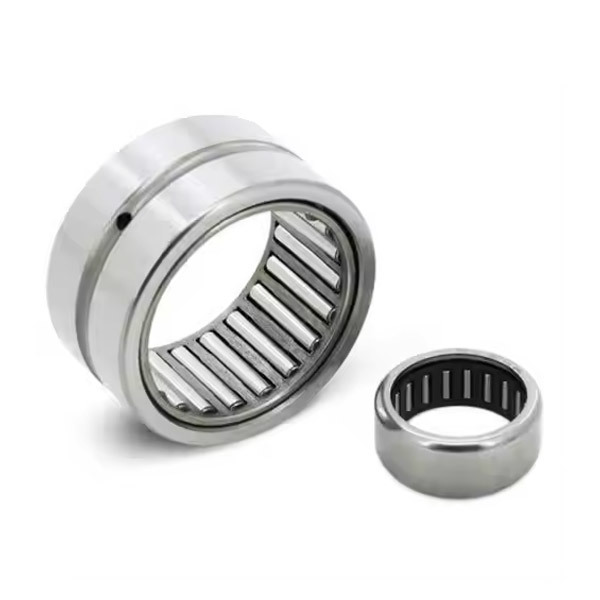
Needle roller bearings consist of thin rollers that are significantly longer than their diameter, typically with a ratio of more than 2 to 1. This elongated design reduces friction and allows for higher load-carrying capacity. It's essential to understand the construction of these bearings, which usually includes the following components:
- **Inner Ring**: This is the part that fits onto the shaft.
- **Outer Ring**: The external component that houses the needle rollers.
- **Needle Rollers**: The actual rolling elements that provide the bearing's functionality.
- **Cage**: A structure that holds the needle rollers in place and prevents them from colliding with each other.
How Do Needle Roller Bearings Work?
The operational mechanism of needle roller bearings is straightforward yet efficient. As the inner ring rotates, the needle rollers roll between the inner and outer rings, allowing for smooth motion with minimal friction. This rolling action is what makes needle roller bearings suitable for high-speed applications and environments where space is limited.
Key Features of Needle Roller Bearings
Understanding the features of needle roller bearings is crucial for determining their suitability for specific applications. Here are some of the standout features:
Compact Design
One of the most appealing characteristics of needle roller bearings is their compact design. The slender profile allows them to be used in tight spaces without sacrificing load capacity. This makes them ideal for applications in automotive and aerospace industries where space constraints are common.
High Load Capacity
Although they are smaller than traditional roller bearings, needle roller bearings can handle substantial loads. Their design allows for a greater contact area between the rollers and raceways, which enhances their load-bearing capabilities. This feature is particularly valuable in mechanical systems that require high reliability and performance.
Reduced Friction
Friction is a critical factor in the efficiency of any bearing system. Needle roller bearings are designed to minimize friction between moving parts, which leads to lower energy consumption and heat generation. This reduction in friction translates into extended service life and greater reliability for machinery.
Versatility
Needle roller bearings are versatile and can be adapted for various applications. They can be found in different designs, such as thrust needle roller bearings and drawn cup needle roller bearings, catering to a wide range of industrial needs.
Thrust Needle Roller Bearings
These are specifically designed to accommodate axial loads. They are commonly used in gearboxes and transmission systems where thrust loads are prevalent.
Drawn Cup Needle Roller Bearings
These bearings come with a thin-walled outer casing, making them suitable for applications where space is at a premium. They are often used in automotive applications, such as in the assembly of electric motors.
Advantages of Using Needle Roller Bearings
The advantages of needle roller bearings make them a preferred choice for many engineering applications. Here are some of the notable benefits:
Enhanced Performance
The design of needle roller bearings contributes to improved overall performance in machinery. With their ability to handle high speeds and loads, they enhance the efficiency of device operations. This performance advantage leads to increased productivity in various industrial settings.
Lower Maintenance Requirements
Due to their robust construction and low friction attributes, needle roller bearings require less frequent maintenance compared to other types of bearings. This aspect not only reduces operational costs but also minimizes downtime in manufacturing processes.
Extended Service Life
The combination of high load capacity, reduced friction, and low maintenance all contributes to the extended service life of needle roller bearings. This longevity is crucial for businesses looking to optimize their equipment and reduce replacement frequency.
Cost-Effectiveness
While the initial investment for quality needle roller bearings may be higher than standard bearings, their longevity and reduced maintenance needs make them a cost-effective solution over time. Businesses can experience lower total costs of ownership, making them a wise choice.
Applications of Needle Roller Bearings
Needle roller bearings find their way into various industries due to their flexibility and performance capabilities. Here are some common applications:
Automotive Industry
In the automotive sector, needle roller bearings are extensively used in transmissions, engine components, and differentials. Their ability to handle high speeds and loads makes them crucial in the performance of modern vehicles.
Aerospace Engineering
The aerospace industry demands components that are lightweight yet strong. Needle roller bearings fulfill this requirement, providing efficient operation in aircraft engines and landing gear systems.
Industrial Machinery
Manufacturing equipment requires reliable components that can withstand heavy loads and continuous operation. Needle roller bearings are widely used in conveyor systems, pumps, and textile machinery, contributing to enhanced productivity.
Robotics and Automation
With the growing trend of automation in various sectors, needle roller bearings play a pivotal role in robotics. Their compact size and high load capacity allow for better design flexibility in robotic arms and automated guided vehicles.
Choosing the Right Needle Roller Bearing
Selecting the right needle roller bearing for your specific application is essential for optimal performance. Here are some factors to consider:
Load Requirements
Assessing the load that the bearing will need to support is crucial. Ensure that the selected needle roller bearing can handle both dynamic and static loads effectively.
Operating Conditions
Consider the environment in which the bearing will operate. Factors such as temperature, humidity, and exposure to contaminants can affect the bearing's performance. Selecting bearings with appropriate seals or shields can enhance durability in harsh conditions.
Speed Ratings
Understand the speed requirements of your application. Different needle roller bearings have varying speed ratings, and choosing one that aligns with your operational speed is vital to avoid premature failure.
Installation and Maintenance
The ease of installation and maintenance should also factor into your decision. Some needle roller bearings come with features that simplify assembly and reduce the need for specialized tools.
Common Questions about Needle Roller Bearings
What are the main disadvantages of needle roller bearings?
While needle roller bearings have many advantages, they can be sensitive to misalignment and may require precise installation. Additionally, they may not be suitable for applications involving shock loads.
How do I know if a needle roller bearing is failing?
Sign indicators of bearing failure include unusual noise, excessive vibration, and increased operating temperatures. Regular monitoring can help identify issues before they lead to total failure.
Can needle roller bearings be used in high-temperature applications?
Some needle roller bearings are designed for high-temperature environments, but it's essential to select those specifically rated for such conditions to ensure reliable performance.
How do needle roller bearings compare to ball bearings?
Needle roller bearings generally offer higher load capacity and less friction but may have limitations in shock loading compared to ball bearings, which distribute loads more evenly.
What maintenance do needle roller bearings require?
Needle roller bearings typically require minimal maintenance, but regular lubrication and inspection are recommended to ensure optimal performance and longevity.
Conclusion
In summary, needle roller bearings offer a unique combination of compact design, high load capacity, and low friction, making them an invaluable component in various industrial applications. Their advantages—such as enhanced performance, lower maintenance needs, and cost-effectiveness—make them a preferred choice for engineers and manufacturers alike. By understanding the key features and applications of needle roller bearings, businesses can make informed decisions that optimize their equipment performance and longevity.
RELATED BLOGS

10% DISCOUNT FOR NEW CUSTOMERS

WhatsApp:+8613211157555
Tel: +8613211157555
Address:Room 1106, 11th Floor, No. 23, Fengshan West Road, Jinbang Community, Daliang Street, Shunde District, Foshan City, Guangdong Province
Copyright 2025 Schaeffler (Guangdong) Transmission Technology Co., Ltd. SEO Business license