19
2026
-
09
Understanding Self-Aligning Ball Bearings: Key Features and Benefits
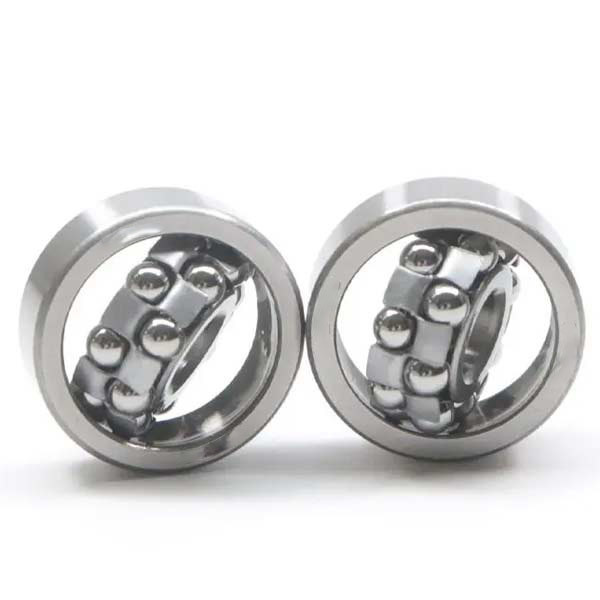
Self-aligning ball bearings are a specialized type of bearing designed to accommodate misalignment between the shaft and housing. This unique feature is essential in applications where precise alignment cannot be guaranteed due to manufacturing tolerances or operational conditions. Comprising an outer ring with a spherical raceway and an inner ring with a cylindrical bore, self-aligning ball beari
One of the standout characteristics of self-aligning ball bearings is their ability to handle both radial and axial loads. The spherical design permits the inner ball elements to move freely within the raceway, which helps prevent excessive friction and heat generation. As a result, these bearings can maintain performance even under challenging conditions, making them a reliable choice for various industrial settings.
The construction of self-aligning ball bearings often includes high-quality steel or other durable materials, enhancing their longevity and performance. These bearings are typically sealed or shielded, protecting them from contaminants such as dust, dirt, and moisture that can compromise their functionality. Proper lubrication is also vital, as it reduces friction between the moving parts and ensures efficient operation.
In terms of applications, self-aligning ball bearings are commonly used in machinery that experiences shaft misalignment, such as conveyor systems, agricultural equipment, and textile machines. Their versatility makes them suitable for both light and heavy-duty applications. Additionally, they can be beneficial in environments with vibrations, as they can accommodate shifts in alignment without significant performance degradation.
When selecting self-aligning ball bearings, it’s essential to consider factors such as load capacity, speed ratings, and environmental conditions. These parameters play a critical role in determining the bearing's performance and lifespan. Moreover, regular maintenance, including lubrication and inspection, can further enhance the reliability of these bearings, ensuring optimal performance over time.
In conclusion, self-aligning ball bearings are an integral component in the realm of industrial equipment and machinery. Their unique design allows for the accommodation of misalignment, making them ideal for various applications where precision and reliability are paramount. Understanding their features, benefits, and appropriate applications can aid in making informed decisions when choosing bearings for specific industrial needs. Emphasizing proper maintenance will also contribute to their longevity and performance, ensuring machinery operates smoothly and efficiently.
RELATED BLOGS

10% DISCOUNT FOR NEW CUSTOMERS

WhatsApp:+8613211157555
Tel: +8613211157555
Address:Room 1106, 11th Floor, No. 23, Fengshan West Road, Jinbang Community, Daliang Street, Shunde District, Foshan City, Guangdong Province
Copyright 2025 Schaeffler (Guangdong) Transmission Technology Co., Ltd. SEO Business license