02
2026
-
09
Debunking Common Misconceptions About Cylindrical Roller Bearings: A Comprehensive Guide
Common Misconceptions About Cylindrical Roller Bearings Explained Table of Contents Introduction to Cylindrical Roller Bearings Misconception 1: All Roller Bearings Are the Same Misconception 2: Cylindrical Roller Bearings Are Only for Heavy Loads Misconception 3: Maintenance Is Not Necessary Misconception 4: They Cannot Handle Misalignment Misconception 5: Price Equals Qu
Common Misconceptions About Cylindrical Roller Bearings Explained
Table of Contents
- Introduction to Cylindrical Roller Bearings
- Misconception 1: All Roller Bearings Are the Same
- Misconception 2: Cylindrical Roller Bearings Are Only for Heavy Loads
- Misconception 3: Maintenance Is Not Necessary
- Misconception 4: They Cannot Handle Misalignment
- Misconception 5: Price Equals Quality
- Applications of Cylindrical Roller Bearings
- Proper Maintenance Practices
- Conclusion
- Frequently Asked Questions
Introduction to Cylindrical Roller Bearings
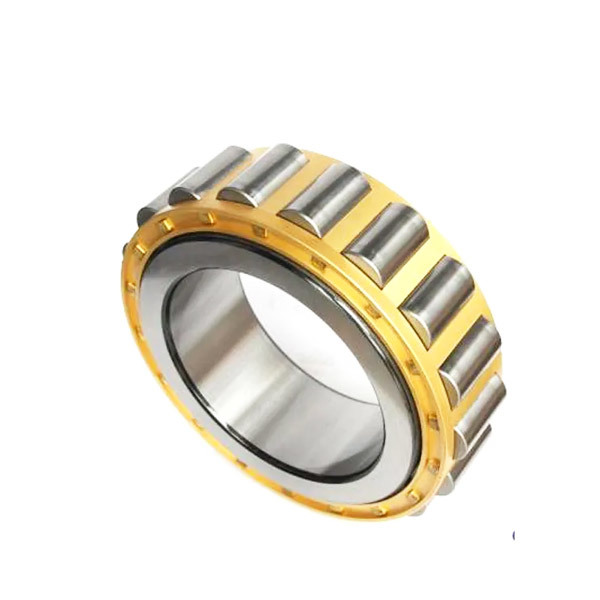
Cylindrical roller bearings are crucial components in various mechanical systems, designed to support radial loads in applications ranging from automotive to industrial machinery. Their unique design features cylindrical rollers that provide a larger contact area than traditional ball bearings, resulting in higher load-carrying capacity. However, several misconceptions about these bearings persist, leading to misunderstandings regarding their performance and application. In this article, we will explore these misconceptions, provide factual clarifications, and enhance your knowledge about cylindrical roller bearings.
Misconception 1: All Roller Bearings Are the Same
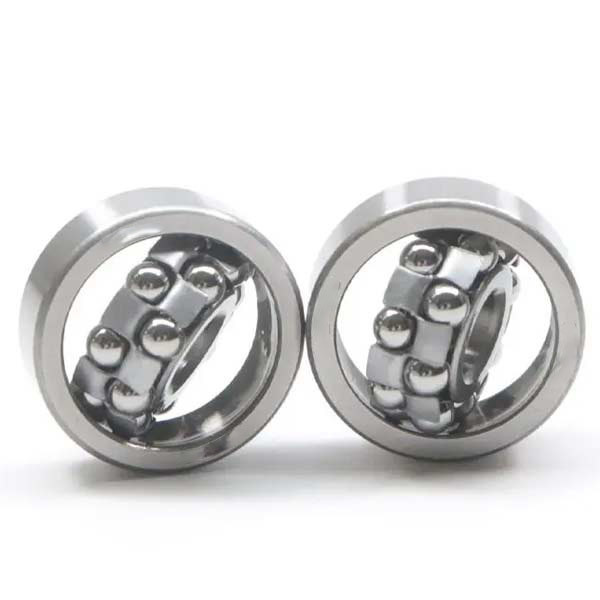
One of the most widespread misconceptions is that all roller bearings function similarly. This is far from the truth. Different types of roller bearings, such as cylindrical, spherical, and tapered, are designed for specific applications and load conditions. Cylindrical roller bearings, for instance, are particularly adept at handling heavy radial loads due to their design, which allows for greater surface contact.
Cylindrical roller bearings come in various configurations, including single-row, double-row, and multi-row types. Each configuration serves distinct functions and is suited to specific application requirements. For example, single-row cylindrical roller bearings are ideal for applications with minimal space constraints, while double-row options are preferable for higher load capacities.
Misconception 2: Cylindrical Roller Bearings Are Only for Heavy Loads
While **cylindrical roller bearings** are known for their load-carrying capacity, it is a common misconception that they are only suitable for heavy loads. In reality, these bearings can also be effectively utilized in applications involving lighter loads. Their high-speed capabilities and low friction characteristics make them versatile components in various mechanical systems.
For example, cylindrical roller bearings are frequently found in electric motors, machine tool spindles, and automotive applications, where both high-speed and low-load conditions may exist. Understanding the load requirements of your application is essential for selecting the appropriate bearing type.
Misconception 3: Maintenance Is Not Necessary
Another prevalent misconception is that cylindrical roller bearings do not require maintenance. This belief can lead to premature bearing failure and costly downtime. While cylindrical roller bearings are designed for durability, they still need regular maintenance to ensure optimal performance and longevity.
Maintenance practices should include regular inspections, checking for signs of wear, and ensuring proper lubrication. The choice of lubricant is crucial, as it affects the bearing’s operating temperature and, consequently, its lifespan. Implementing a structured maintenance schedule can significantly extend the service life of cylindrical roller bearings.
Misconception 4: They Cannot Handle Misalignment
Misalignment is often viewed as a detrimental factor for cylindrical roller bearings, leading to the belief that they cannot accommodate misalignment. While it's true that excessive misalignment can lead to premature bearing failure, cylindrical roller bearings are designed to tolerate some degree of misalignment.
In applications where misalignment is inevitable, manufacturers offer specialized designs, such as spherical roller bearings, that can accommodate larger misalignments. However, it is essential to minimize misalignment as much as possible to ensure the longevity and reliability of cylindrical roller bearings.
Misconception 5: Price Equals Quality
Price does not always equate to quality. This misconception often leads to poor purchasing decisions when selecting cylindrical roller bearings. While it is tempting to opt for the lowest-priced option to save costs, it is essential to consider the bearing's quality and manufacturer reputation.
Investing in high-quality cylindrical roller bearings from reputable manufacturers can lead to better performance, reduced failure rates, and ultimately lower lifecycle costs. Consider factors such as material quality, manufacturing processes, and product certifications when evaluating bearing options.
Applications of Cylindrical Roller Bearings
Cylindrical roller bearings are used across various industries and applications due to their versatility and performance characteristics. Some common applications include:
1. Automotive Industry
In the automotive sector, cylindrical roller bearings find applications in engines, transmissions, and wheel hubs. Their ability to handle high speeds and loads makes them an ideal choice for automotive components.
2. Industrial Machinery
Cylindrical roller bearings are widely used in industrial machinery such as pumps, compressors, and conveyors. Their efficiency in handling radial loads ensures reliable operation in demanding conditions.
3. Electric Motors
The electric motor industry relies on cylindrical roller bearings for their ability to support high speeds while maintaining low friction. This efficiency is crucial for energy-saving applications.
4. Aerospace Applications
In aerospace, cylindrical roller bearings are employed in landing gear and engine components. The need for lightweight and high-performance bearings makes them a popular choice in this industry.
Proper Maintenance Practices
To ensure the longevity and optimal performance of cylindrical roller bearings, following best maintenance practices is essential. Consider the following tips:
1. Regular Inspections
Conduct routine inspections to check for signs of wear, such as discoloration, pitting, or abnormal noise. Early detection of issues can prevent catastrophic failures.
2. Correct Lubrication
Choose the right lubricant for your application. Ensure that bearings are adequately lubricated to minimize friction and wear. Regularly check lubricant levels and replace as necessary.
3. Monitor Operating Conditions
Keep track of operating temperatures and loads. Excessive heat or load can lead to premature bearing failure. Adjust operating parameters as needed to maintain optimal conditions.
4. Proper Installation
Ensure that cylindrical roller bearings are installed correctly. Misalignment during installation can lead to premature wear and failure.
Conclusion
Cylindrical roller bearings are vital components in various industrial applications, yet misconceptions surrounding their functionality and maintenance persist. By debunking these myths, we hope to provide a clearer understanding of their capabilities, applications, and the importance of maintenance.
Making informed decisions about bearing selection and maintenance can significantly enhance performance, reduce downtime, and improve overall efficiency in industrial operations. For anyone working with mechanical systems that utilize cylindrical roller bearings, understanding these factors is crucial for optimizing performance and longevity.
Frequently Asked Questions
1. What are cylindrical roller bearings primarily used for?
Cylindrical roller bearings are primarily used in applications that require high radial load capacity and low friction, such as automotive, industrial machinery, and electric motors.
2. How can I determine the right cylindrical roller bearing for my application?
To select the appropriate cylindrical roller bearing, assess the load requirements, speed, alignment conditions, and operational environment of your application.
3. How often should I perform maintenance on cylindrical roller bearings?
Maintenance frequency depends on the application and operating conditions. Regular inspections and lubrication checks should be part of a structured maintenance schedule.
4. Can cylindrical roller bearings handle misalignment?
While cylindrical roller bearings can tolerate some misalignment, excessive misalignment should be avoided to prevent premature wear and failure.
5. Are there cost-effective options for cylindrical roller bearings without compromising quality?
Yes, it is crucial to research and choose reputable manufacturers that offer cost-effective solutions while ensuring the quality and reliability of their cylindrical roller bearings.

10% DISCOUNT FOR NEW CUSTOMERS

WhatsApp:+8613211157555
Tel: +8613211157555
Address:Room 1106, 11th Floor, No. 23, Fengshan West Road, Jinbang Community, Daliang Street, Shunde District, Foshan City, Guangdong Province
Copyright 2025 Schaeffler (Guangdong) Transmission Technology Co., Ltd. SEO Business license