15
2026
-
08
Essential Installation Tips for Maximizing the Performance of Cylindrical Roller Bearings
Essential Installation Tips for Maximizing the Performance of Cylindrical Roller Bearings Table of Contents Understanding Cylindrical Roller Bearings Key Advantages of Cylindrical Roller Bearings Importance of Proper Installation Techniques Pre-Installation Preparations for Cylindrical Roller Bearings Step-by-Step Installation Guide Common Installation Mistakes to Avoid
Essential Installation Tips for Maximizing the Performance of Cylindrical Roller Bearings
Table of Contents
- Understanding Cylindrical Roller Bearings
- Key Advantages of Cylindrical Roller Bearings
- Importance of Proper Installation Techniques
- Pre-Installation Preparations for Cylindrical Roller Bearings
- Step-by-Step Installation Guide
- Common Installation Mistakes to Avoid
- Maintenance Tips for Extended Bearing Lifespan
- Frequently Asked Questions About Cylindrical Roller Bearings
Understanding Cylindrical Roller Bearings
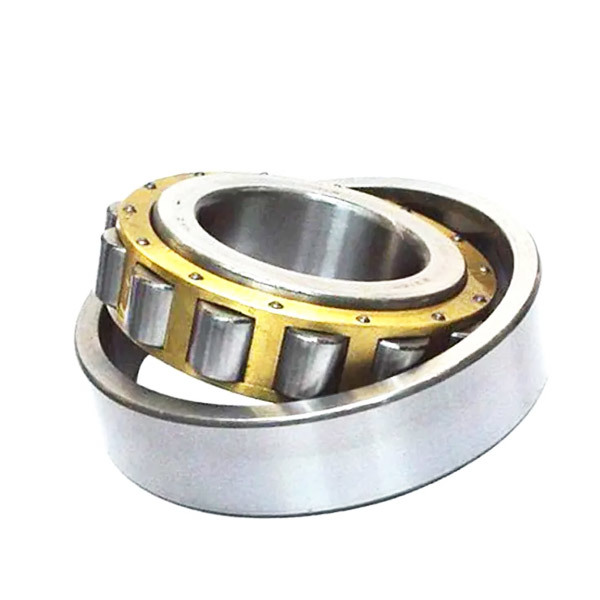
Cylindrical roller bearings are a type of rolling-element bearing that utilizes cylindrical rollers to maintain the separation between the bearing races. Unlike ball bearings, which rely on balls, cylindrical roller bearings can handle heavier loads and are ideal for applications requiring high radial rigidity. They are commonly used in various industrial machinery, including motors, gearboxes, and machine tools.
These bearings are designed to minimize friction and wear while maintaining the integrity of the components they support. The configuration of the cylindrical rollers allows them to accommodate both radial and axial loads, making them versatile for numerous applications.
Key Advantages of Cylindrical Roller Bearings
1. **High Load Capacity**: Their design allows cylindrical roller bearings to support substantial loads, making them suitable for heavy-duty applications.
2. **Efficient Performance**: The rolling motion of cylindrical rollers reduces friction, which enhances efficiency and performance in machinery.
3. **Durability**: With the proper installation and maintenance, cylindrical roller bearings can last significantly longer than other types of bearings.
4. **Versatility**: These bearings can be used in diverse applications, from automotive components to industrial machinery, owing to their ability to handle both radial and axial loads.
5. **Reduced Vibration and Noise**: Properly installed cylindrical roller bearings operate more quietly and with less vibration, improving the overall performance of machinery.
Importance of Proper Installation Techniques
Correct installation techniques are vital for maximizing the performance and lifespan of cylindrical roller bearings. Poor installation can lead to various issues, including premature bearing failure, increased wear, and inefficient operation. Here are several reasons why proper installation matters:
- **Alignment**: Proper alignment of the bearing with the shaft and housing is crucial to reduce stress and strain on the bearing surfaces.
- **Clearance and Fit**: Ensuring the correct fit between the bearing and its housing prevents excessive clearance or interference, both of which can lead to bearing malfunction.
- **Lubrication**: Proper lubrication during installation is essential to minimize friction and wear, allowing the bearing to operate smoothly from the start.
Pre-Installation Preparations for Cylindrical Roller Bearings
Before installing cylindrical roller bearings, several preparatory steps must be taken to ensure optimal performance:
1. Inspect Components
Carefully inspect both the bearing and associated components. Look for any signs of wear, damage, or contaminants. Ensuring that all parts are in good condition is essential for a successful installation.
2. Clean the Work Area
A clean work environment helps prevent contamination of the bearings during installation. Dust, dirt, and moisture can adversely affect the performance of the bearings.
3. Gather Necessary Tools
Ensure you have all the required tools for the installation process, including:
- Bearing pullers and press tools
- Torque wrenches
- Measuring tools for alignment and clearance
- Lubrication equipment
4. Choose the Right Lubricant
Selecting the appropriate lubricant is critical. Consider the operating conditions, including temperature and load, to choose a lubricant that will provide adequate protection and performance.
Step-by-Step Installation Guide
Following a systematic approach during installation can significantly enhance the performance of cylindrical roller bearings. Here’s a detailed step-by-step guide:
Step 1: Prepare the Shaft and Housing
- **Clean the shaft and housing thoroughly** to remove any dirt or contaminants.
- **Check the tolerances** to ensure compatibility with the bearing specifications.
Step 2: Apply Lubrication
- **Apply a thin layer of lubricant** to both the bearing and the shaft. This helps minimize friction during the initial rotation and reduces wear.
Step 3: Install the Bearing
- Carefully slide the bearing onto the shaft. Ensure that it goes on straight to prevent misalignment.
- Use appropriate tools to press the bearing into the housing if necessary. Avoid hammering directly on the bearing, as this can cause damage.
Step 4: Ensure Proper Alignment
- After installing, check the alignment of the bearing. Misalignment can lead to premature failure, so it’s crucial to ensure everything is correctly positioned.
Step 5: Secure the Bearing
- Use retaining rings or other methods to secure the bearing in place, following the manufacturer’s specifications.
Step 6: Verify Clearances
- Measure the clearances to ensure they meet the required specifications. Adjust if necessary before proceeding.
Step 7: Conduct a Final Inspection
- After installation, conduct a final inspection to verify that everything is correctly installed and secure.
Common Installation Mistakes to Avoid
Even seasoned professionals can make mistakes during the installation process. Here are some common pitfalls to avoid:
1. Ignoring Manufacturer Guidelines
Always follow the manufacturer's installation guidelines and specifications. Deviating from recommended practices can lead to poor performance and early failure.
2. Insufficient Cleaning
Failing to thoroughly clean the bearing and surrounding components can lead to contamination, which can significantly impact performance.
3. Over or Under Lubrication
Too much or too little lubrication can both harm the bearing's functionality. Always adhere to the recommended lubrication guidelines.
4. Improper Handling
Handling bearings improperly can lead to damage. Always use appropriate tools and techniques to avoid causing harm during installation.
5. Neglecting Alignment Checks
Misalignment can drastically affect bearing performance. Regularly check alignment throughout the installation process.
Maintenance Tips for Extended Bearing Lifespan
To maximize the lifespan and performance of cylindrical roller bearings, adhere to the following maintenance tips:
1. Regular Inspections
Conduct periodic inspections to identify signs of wear or damage early on. This proactive approach can prevent catastrophic failures.
2. Monitor Operating Conditions
Keep an eye on operating temperatures and loads. Extreme conditions can lead to premature bearing wear.
3. Maintain Proper Lubrication
Regularly check and replace lubricant as needed. Ensure that the lubricant type matches the operating conditions for optimal performance.
4. Cleanliness is Key
Ensure that the area surrounding the bearing remains clean to prevent contamination from entering the bearing assembly.
5. Address Noises Promptly
If you hear unusual noises coming from the bearings, investigate immediately. Early diagnosis can save time and money in repairs.
Frequently Asked Questions About Cylindrical Roller Bearings
1. What are the main applications of cylindrical roller bearings?
Cylindrical roller bearings are widely used in applications such as electric motors, gearboxes, construction equipment, and industrial machinery due to their high load capacity and durability.
2. How do I know if my cylindrical roller bearing is failing?
Signs of bearing failure may include unusual noises, vibrations, overheating, or noticeable wear on the bearing surfaces.
3. Can cylindrical roller bearings be reused after removal?
While it is possible to reuse cylindrical roller bearings if they are still in good condition, it is generally recommended to replace them to avoid potential issues.
4. What is the best way to lubricate cylindrical roller bearings?
The best lubrication method depends on the specific application. Generally, a grease or oil with the appropriate viscosity and additives for the operating conditions is recommended.
5. How can I extend the life of my cylindrical roller bearings?
Regular maintenance, proper installation, and adherence to operating guidelines are crucial for extending the lifespan of cylindrical roller bearings.
Conclusion
Maximizing the performance of cylindrical roller bearings relies heavily on proper installation techniques and ongoing maintenance. By following the detailed tips and guidelines provided in this article, we can ensure that our bearings operate efficiently, extend their lifespan, and prevent costly downtimes in industrial applications. Understanding the importance of meticulous preparation, correct alignment, and regular inspections will go a long way in achieving optimal results from our cylindrical roller bearings.
RELATED BLOGS

10% DISCOUNT FOR NEW CUSTOMERS

WhatsApp:+8613211157555
Tel: +8613211157555
Address:Room 1106, 11th Floor, No. 23, Fengshan West Road, Jinbang Community, Daliang Street, Shunde District, Foshan City, Guangdong Province
Copyright 2025 Schaeffler (Guangdong) Transmission Technology Co., Ltd. SEO Business license