04
2026
-
08
The Essential Guide to Linear Bearings: Enhancing Precision in Industrial Applications
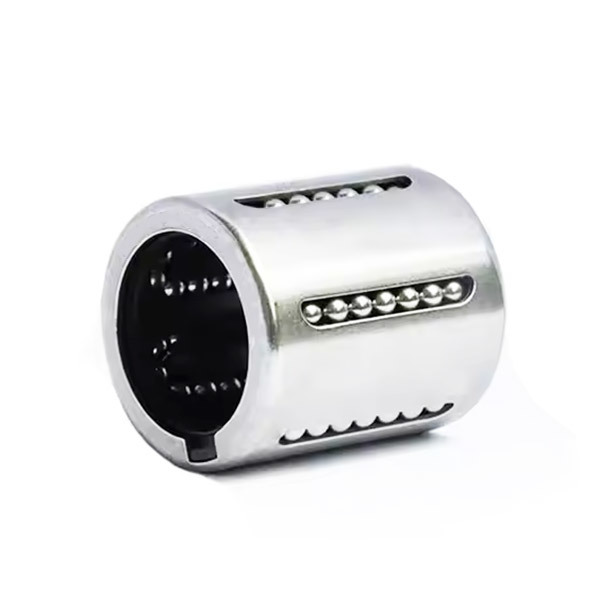
Linear bearings are critical components in various industrial applications, playing a significant role in ensuring smooth motion and precision. Unlike traditional bearings that rely on rotating movements, linear bearings facilitate straight-line motion, making them ideal for applications where accurate positioning and minimal friction are paramount. A linear bearing typically consists of a retaine
A linear bearing typically consists of a retainer and balls or rollers, which allow for low-friction motion along a shaft. The design of linear bearings can vary, including options such as ball bushings, linear guides, and rail systems. Their construction ensures that they can handle radial and axial loads while providing superior accuracy and reliability.
One of the most significant advantages of linear bearings is their ability to minimize friction. This characteristic contributes to increased efficiency and extended lifespan of both the bearings and the machinery they support. Since linear bearings experience less wear and tear compared to traditional bearings, they require less frequent maintenance, resulting in lower operational costs over time.
Linear bearings are widely used in various applications, including CNC machines, robotics, conveyor systems, and other automated equipment. In these settings, the ability to maintain high precision while operating at high speeds is essential. For instance, in CNC machines, linear bearings help ensure that cutting tools are positioned accurately, leading to improved product quality and reduced waste.
Another notable benefit of linear bearings is their modularity and versatility. They can be easily integrated into various systems and can be adapted to meet specific design requirements. This adaptability makes them an ideal choice for engineers and designers looking to optimize their machinery and enhance overall performance.
Moreover, material selection plays a crucial role in the performance of linear bearings. Common materials include stainless steel, aluminum, and plastics, each offering unique advantages depending on the application's requirements. For instance, stainless steel is known for its strength and corrosion resistance, making it suitable for harsh environments, while plastic linear bearings are lightweight and can be used in applications where weight is a concern.
In conclusion, linear bearings are indispensable in modern industrial settings, providing essential motion control and precision for various applications. Understanding their design, functionality, and advantages can help professionals in the industry make informed decisions about integrating these components into their systems. By prioritizing linear bearings, companies can enhance efficiency, reduce maintenance costs, and improve the overall performance of their machinery, ultimately leading to increased productivity and success in the competitive industrial landscape.
RELATED BLOGS

10% DISCOUNT FOR NEW CUSTOMERS

WhatsApp:+8613211157555
Tel: +8613211157555
Address:Room 1106, 11th Floor, No. 23, Fengshan West Road, Jinbang Community, Daliang Street, Shunde District, Foshan City, Guangdong Province
Copyright 2025 Schaeffler (Guangdong) Transmission Technology Co., Ltd. SEO Business license