26
2026
-
06
How to Properly Install Self-Aligning Ball Bearings for Optimal Performance
How to Properly Install Self-Aligning Ball Bearings for Optimal Performance Introduction to Self-Aligning Ball Bearings Self-aligning ball bearings are essential components in various industrial machinery, providing the necessary support for rotating elements while accommodating misalignment. Their unique design allows for axial and radial loads, making them ideal for applications where shaft misa
How to Properly Install Self-Aligning Ball Bearings for Optimal Performance
Introduction to Self-Aligning Ball Bearings
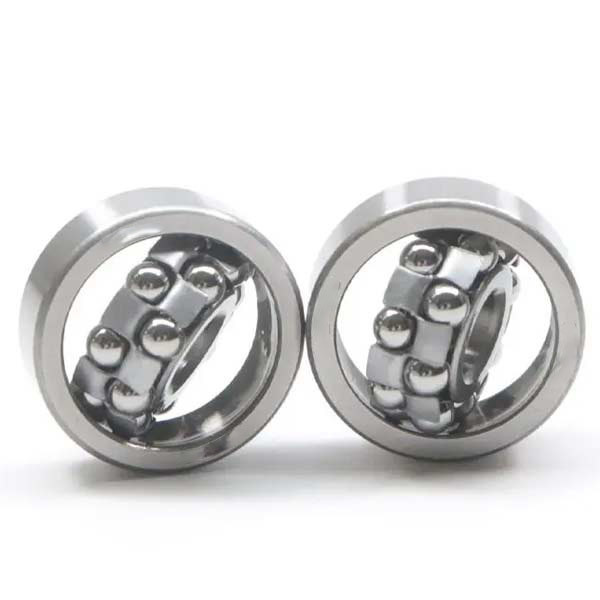
Self-aligning ball bearings are essential components in various industrial machinery, providing the necessary support for rotating elements while accommodating misalignment. Their unique design allows for axial and radial loads, making them ideal for applications where shaft misalignment can occur. Proper installation is critical for maintaining performance and extending the lifespan of these bearings.
Understanding the Components of Self-Aligning Ball Bearings
1. Outer Ring
The outer ring has a spherical shape that enables self-alignment. It plays a crucial role in how the bearing accommodates misalignment.
2. Inner Ring
The inner ring fits closely onto the shaft and is typically designed to fit tightly, thus transmitting the load effectively.
3. Balls
The balls are made of hardened steel or ceramic materials, providing a smooth surface for rotation and reducing friction.
4. Cage
The cage holds the balls in place and ensures proper spacing, preventing contact between them during operation.
Importance of Proper Installation
Correct installation of self-aligning ball bearings is paramount. Improper installation can lead to premature wear, noise, vibration, and ultimately failure of the bearing. Ensuring proper alignment and fitting can significantly enhance performance and extend the service life of the equipment.
Step-by-Step Guide to Installing Self-Aligning Ball Bearings
Step 1: Gather Necessary Tools and Materials
Before installation, it’s crucial to gather all the necessary tools and materials. This includes:
- **Self-aligning ball bearings**
- **Bearing puller**
- **Torque wrench**
- **Cleaning solvents**
- **Lubrication grease**
- **Calipers or micrometer**
- **Hammer and bearing installation tool**
Step 2: Prepare the Shaft and Housing
Cleaning the shaft and housing is essential to remove debris, old grease, and any contaminants. Use appropriate cleaning solvents, and ensure that both surfaces are free of rust or imperfections.
Step 3: Inspect the Bearings
Before installation, inspect the self-aligning ball bearings for any visible damage. Look for signs of wear, such as pitting or discoloration. Ensure that the bearings rotate smoothly without excessive play.
Step 4: Apply Lubrication
Applying a suitable lubricant to the bearings before installation is crucial. Use high-quality grease that is compatible with the bearing material and operating conditions. Make sure to cover the balls and the raceways adequately.
Step 5: Install the Inner Ring
Carefully slide the inner ring of the bearing onto the shaft. If necessary, use a bearing installation tool to ensure that it is correctly seated without causing damage.
Step 6: Position the Outer Ring
Align the outer ring of the bearing with the housing. It should fit snugly, allowing for the self-aligning feature to function properly. Use the bearing puller for an easy installation if the fit is too tight.
Step 7: Secure the Bearing
Once the outer ring is in position, secure it using appropriate locking mechanisms or fixtures. This may involve tightening set screws, securing a snap ring, or using retaining compounds, depending on the design.
Step 8: Check Alignment
Utilize calipers or a micrometer to ensure proper alignment between the shaft and the housing. Misalignment can lead to performance issues and premature bearing failure.
Step 9: Test Run the Equipment
After installation, perform a test run of the equipment to ensure that the bearings are functioning correctly. Listen for unusual noises, vibrations, or temperature changes that might indicate issues.
Additional Tips for Optimal Bearing Performance
- **Regular Maintenance**: Schedule regular inspections and maintenance to identify potential problems early.
- **Environment Considerations**: Keep bearings away from excessive moisture, dust, and extreme temperatures to ensure longevity.
- **Load Management**: Ensure that the load applied to the bearings is within the manufacturer's specifications to avoid overload.
Common Mistakes to Avoid During Installation
1. Skipping the Cleaning Process
Failing to clean the shaft and housing thoroughly can lead to contamination and premature bearing failure.
2. Overtightening
Applying excessive torque can damage the bearings and lead to misalignment.
3. Incorrect Lubrication
Using the wrong type of lubricant or applying too much or too little can drastically affect bearing performance.
FAQs about Installing Self-Aligning Ball Bearings
1. What are self-aligning ball bearings used for?
Self-aligning ball bearings are commonly used in applications where misalignment may occur, such as in machinery, automotive, and industrial equipment.
2. How do I know if my bearings are installed correctly?
Properly installed bearings should rotate smoothly without excessive play, noise, or vibration. A test run after installation can help confirm correct installation.
3. What type of lubricant should I use for self-aligning ball bearings?
Choose a high-quality grease specifically designed for ball bearings, considering factors such as operating temperature and load conditions.
4. How often should I inspect my self-aligning ball bearings?
Regular inspections should be conducted based on usage, but a good rule of thumb is to check them at least every six months or during scheduled maintenance.
5. Can I install self-aligning ball bearings without professional help?
While it is possible to install them yourself, it is essential to follow the manufacturer’s instructions carefully. Improper installation can lead to equipment failure.
Conclusion
Installing self-aligning ball bearings correctly is crucial for optimal performance and longevity. By following the detailed steps outlined in this guide, you can ensure that your bearings are installed with precision, enabling your machinery to operate smoothly and efficiently. Remember to maintain regular inspections and adhere to best practices in lubrication and environment management. Proper installation not only enhances performance but also minimizes downtime and maintenance costs, contributing to the overall efficiency of your operations.


10% DISCOUNT FOR NEW CUSTOMERS

WhatsApp:+8613211157555
Tel: +8613211157555
Address:Room 1106, 11th Floor, No. 23, Fengshan West Road, Jinbang Community, Daliang Street, Shunde District, Foshan City, Guangdong Province
Copyright 2025 Schaeffler (Guangdong) Transmission Technology Co., Ltd. SEO Business license