19
2026
-
06
Understanding Linear Bearings: The Key to Smooth Motion in Industrial Applications
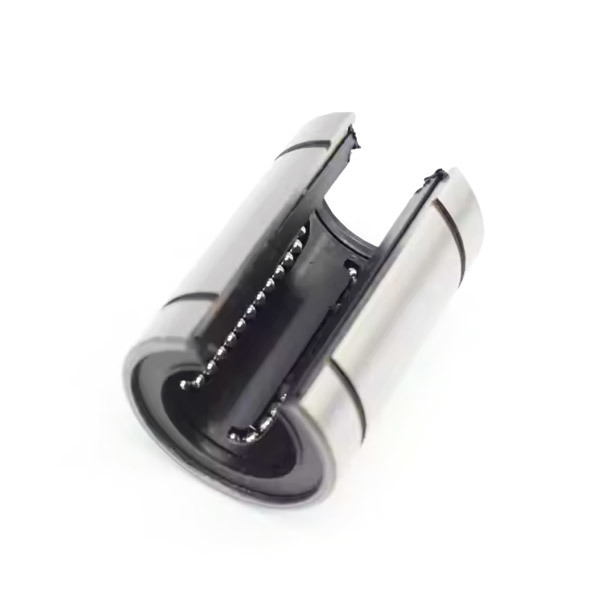
Linear bearings are specialized devices designed to provide low-friction movement along a linear path. They are commonly utilized in machinery that requires smooth, repetitive motion, making them an integral part of industrial equipment ranging from CNC machines to conveyor systems. Unlike traditional bearings, which may offer rotation about a point, linear bearings are specifically engineered to
The fundamental principle behind linear bearings is simple yet effective. They consist of rolling elements, such as balls or rollers, that facilitate motion along a shaft. These rolling elements are housed within a linear bearing block or carriage, which can slide along a guide rail or shaft. The use of such rolling elements significantly reduces friction, allowing for faster and smoother movement compared to sliding surfaces. This reduction in friction not only enhances performance but also prolongs the lifespan of the machinery by minimizing wear and tear.
There are various types of linear bearings, each tailored for specific applications. For instance, ball linear bearings use balls as rolling elements, providing excellent load capacity and low friction. Roller linear bearings, on the other hand, utilize cylindrical rollers, which can better handle heavier loads and offer increased stability. Additionally, there are linear motion guides that combine bearing surfaces with structural support, allowing for more robust configurations in demanding environments.
The choice of linear bearing largely depends on several factors, including the load requirements, speed of operation, environmental conditions, and the nature of the application. These bearings can be found in industries such as automation, robotics, manufacturing, and even in medical devices, proving their versatility and indispensable role in modern engineering.
Moreover, maintenance of linear bearings is crucial for optimal performance. Regular inspection for wear, lubrication, and alignment can significantly enhance their functionality and prevent potential breakdowns. Utilizing high-quality lubricants helps to reduce friction and prevent contaminants from affecting the bearing surfaces, thus ensuring a longer service life.
In conclusion, linear bearings are vital components that enable efficient linear motion in various industrial applications. Their design focuses on reducing friction while increasing load capacity, making them essential for ensuring the smooth operation of machinery. Understanding how linear bearings work and their importance can help industries optimize their equipment and enhance overall productivity. As technology advances, innovations in linear bearing designs will likely continue to improve motion control systems, further contributing to the efficiency and effectiveness of industrial applications.


10% DISCOUNT FOR NEW CUSTOMERS

WhatsApp:+8613211157555
Tel: +8613211157555
Address:Room 1106, 11th Floor, No. 23, Fengshan West Road, Jinbang Community, Daliang Street, Shunde District, Foshan City, Guangdong Province
Copyright 2025 Schaeffler (Guangdong) Transmission Technology Co., Ltd. SEO Business license