15
2026
-
05
Maximizing Equipment Efficiency with Thrust Roller Bearings: A Comprehensive Guide
Maximizing Equipment Efficiency with Thrust Roller Bearings Table of Contents 1. Introduction to Thrust Roller Bearings 2. Understanding the Mechanical Design of Thrust Roller Bearings 3. Types of Thrust Roller Bearings 3.1 Single Thrust Roller Bearings 3.2 Multiple Thrust Roller Bearings 3.3 Custom Thrust Roller Bearings 4. Ap
Maximizing Equipment Efficiency with Thrust Roller Bearings
Table of Contents
- 1. Introduction to Thrust Roller Bearings
- 2. Understanding the Mechanical Design of Thrust Roller Bearings
- 3. Types of Thrust Roller Bearings
- 3.1 Single Thrust Roller Bearings
- 3.2 Multiple Thrust Roller Bearings
- 3.3 Custom Thrust Roller Bearings
- 4. Applications of Thrust Roller Bearings in Industry
- 5. Benefits of Using Thrust Roller Bearings
- 6. Maintenance and Care for Thrust Roller Bearings
- 7. Common Issues and Solutions with Thrust Roller Bearings
- 8. Frequently Asked Questions (FAQs)
- 9. Conclusion
1. Introduction to Thrust Roller Bearings
Thrust roller bearings play a pivotal role in the realm of industrial machinery. Designed specifically to handle axial loads, these bearings are integral to various applications, ensuring smooth operation and enhanced equipment performance. By understanding how to maximize their benefits, we can significantly improve machinery efficiency and reduce downtime.
2. Understanding the Mechanical Design of Thrust Roller Bearings
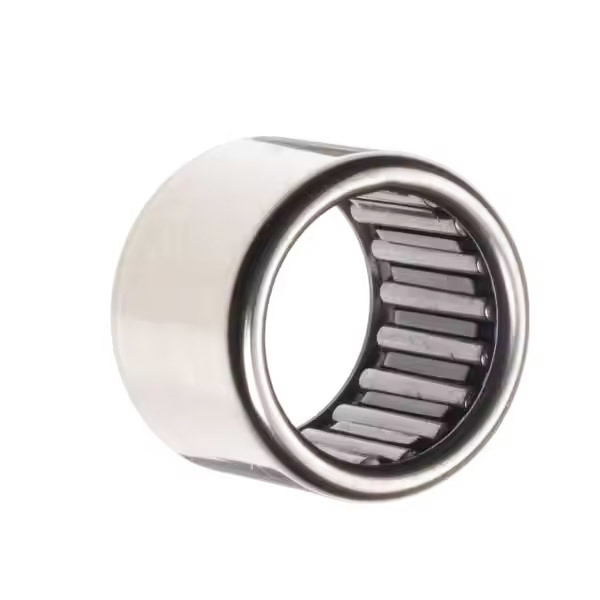
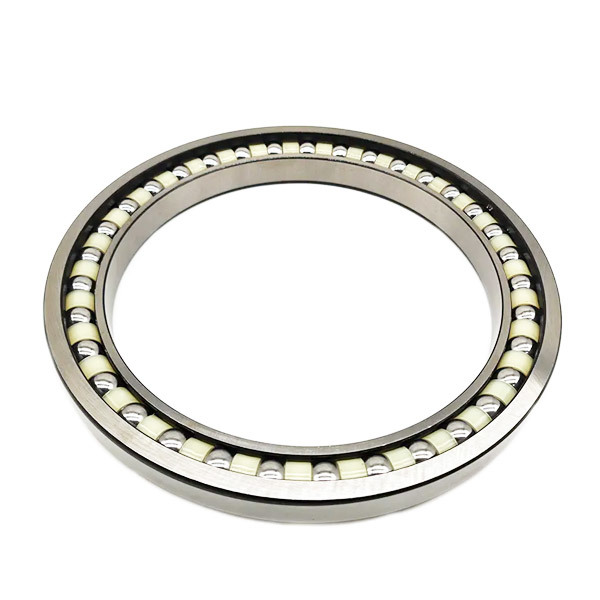
The mechanical design of thrust roller bearings is a fundamental aspect that influences their performance. These bearings consist of several key components, including the raceway, rollers, and cage.
2.1 Key Components Breakdown
- **Raceway:** The surface on which the rollers rotate, designed to handle high axial loads.
- **Rollers:** The cylindrical components that bear the load; their size and shape directly affect the bearing's load capacity and efficiency.
- **Cage:** This component separates the rollers, ensuring even distribution of weight and reducing friction during operation.
2.2 Material Selection
The materials used in the construction of thrust roller bearings are crucial. High-carbon chromium steel is commonly used due to its excellent hardness and wear resistance. Additionally, ceramic materials are increasingly popular for their lightweight properties and ability to withstand extreme temperatures.
3. Types of Thrust Roller Bearings
Understanding the different types of thrust roller bearings can help in selecting the right one for specific applications.
3.1 Single Thrust Roller Bearings
Single thrust roller bearings consist of a single row of rollers and are primarily used in applications where axial loads are applied in one direction. They are compact and easy to install, making them suitable for various machinery types.
3.2 Multiple Thrust Roller Bearings
In contrast, multiple thrust roller bearings feature several rows of rollers, allowing for increased load capacity. These bearings are ideal for heavy machinery that operates under substantial axial loads.
3.3 Custom Thrust Roller Bearings
For specialized industrial applications, custom thrust roller bearings can be designed. These bearings can be tailored to accommodate unique load requirements, temperature ranges, and other specific conditions.
4. Applications of Thrust Roller Bearings in Industry
Thrust roller bearings are utilized in various industries, including:
- **Automotive**: Used in transmissions and steering mechanisms where axial loading is critical.
- **Aerospace**: Essential for aircraft engine components, where precision and reliability are paramount.
- **Construction**: Employed in heavy machinery like excavators and bulldozers to support axial loads during operation.
5. Benefits of Using Thrust Roller Bearings
Incorporating thrust roller bearings into your machinery can yield numerous benefits:
- **Enhanced Efficiency**: By reducing friction and wear, thrust roller bearings can help machinery run smoother and more efficiently.
- **Increased Load Capacity**: These bearings are designed to handle significant axial loads, making them suitable for demanding applications.
- **Reduced Maintenance Costs**: Properly maintained thrust roller bearings can lead to fewer breakdowns and lower repair costs, saving money in the long run.
6. Maintenance and Care for Thrust Roller Bearings
To maximize the lifespan and efficiency of thrust roller bearings, regular maintenance is essential.
6.1 Regular Inspections
Conducting routine inspections helps identify wear and tear before they become significant issues. Look for signs of pitting, discoloration, or unusual noise during operation.
6.2 Proper Lubrication
Lubrication is crucial for minimizing friction and wear. Selecting the right lubricant and maintaining proper levels is vital for optimal performance.
6.3 Cleaning Procedures
Keeping thrust roller bearings clean helps prevent contamination that can lead to premature failure. Use appropriate cleaning methods and materials to ensure thorough sanitation without damaging the bearing.
7. Common Issues and Solutions with Thrust Roller Bearings
Even with proper maintenance, issues may arise with thrust roller bearings. Here are some common problems and their solutions:
7.1 Excessive Wear
**Solution**: Regularly inspect bearings and replace them if significant wear is detected. Ensure proper lubrication and operational conditions are maintained.
7.2 Overheating
**Solution**: Check for inadequate lubrication or improper fitment. Adjusting load limits and ensuring adequate cooling can also help mitigate overheating.
7.3 Misalignment
**Solution**: Ensure proper alignment during installation. Regular alignment checks can prevent excessive wear and failure.
8. Frequently Asked Questions (FAQs)
8.1 What are thrust roller bearings used for?
Thrust roller bearings are primarily used to support axial loads in various machinery applications, ensuring smooth movement and operation.
8.2 How do I know if my thrust roller bearings need replacement?
Signs of wear, unusual noises, and overheating during operation can indicate that your thrust roller bearings may need replacement.
8.3 Can thrust roller bearings handle radial loads?
While thrust roller bearings are designed primarily for axial loads, some may be able to accommodate limited radial loads depending on their design and construction.
8.4 What maintenance is required for thrust roller bearings?
Regular inspections, proper lubrication, and cleaning are essential maintenance tasks to ensure the longevity and efficiency of thrust roller bearings.
8.5 How can I increase the lifespan of thrust roller bearings?
By maintaining proper lubrication, conducting regular inspections, and ensuring proper alignment and load limits, you can significantly increase the lifespan of thrust roller bearings.
9. Conclusion
Maximizing equipment efficiency with thrust roller bearings is not just about selection; it involves understanding their design, application, and maintenance. By choosing the right type of thrust roller bearing for your machinery and implementing best practices in maintenance, you can improve not only operational efficiency but also extend the lifespan of your equipment. Regular attention to these aspects will ensure that your machinery runs smoothly and remains reliable over time, ultimately leading to enhanced productivity and reduced operational costs.
RELATED BLOGS

10% DISCOUNT FOR NEW CUSTOMERS

WhatsApp:+8613211157555
Tel: +8613211157555
Address:Room 1106, 11th Floor, No. 23, Fengshan West Road, Jinbang Community, Daliang Street, Shunde District, Foshan City, Guangdong Province
Copyright 2025 Schaeffler (Guangdong) Transmission Technology Co., Ltd. SEO Business license