24
2026
-
04
Understanding Self-Aligning Ball Bearings: A Key Component in Industrial Applications
Self-aligning ball bearings play a crucial role in the smooth operation of various industrial equipment. They are designed to accommodate misalignment between the shaft and the housing, which is often caused by factors such as installation errors, thermal expansion, or operational stresses. This unique feature sets self-aligning ball bearings apart from conventional bearings, making them indispens
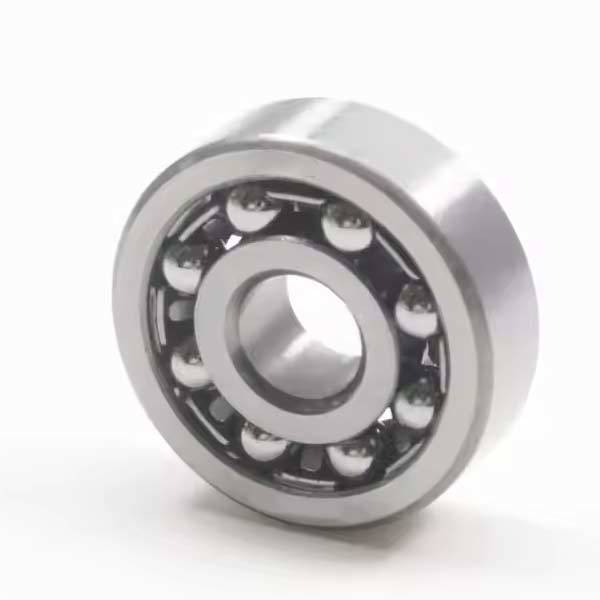
One of the defining characteristics of self-aligning ball bearings is their two-row design, which incorporates a spherical outer race. This innovative configuration allows the bearing to self-adjust within a certain range of misalignment. This adaptability minimizes the risk of premature wear and failure, thus extending the lifespan of both the bearing and the machinery it supports.
In terms of construction, self-aligning ball bearings typically consist of an inner ring with a spherical raceway, a double row of balls, and an outer ring with a spherical outer surface. This robust design not only facilitates self-alignment but also enables the bearing to handle radial and axial loads effectively. As a result, they are often employed in applications such as conveyors, cranes, and agricultural machinery, where load conditions can vary significantly.
The advantages of using self-aligning ball bearings are manifold. One of the primary benefits is reduced friction, which leads to improved energy efficiency in operating machinery. Additionally, because these bearings can accommodate misalignment, they help reduce the risk of catastrophic failure that can arise from improper installation or alignment issues. This not only saves on maintenance costs but also enhances the overall reliability of the equipment.
Moreover, self-aligning ball bearings are known for their low noise and vibration levels, which contribute to a more stable and quieter operational environment. This is particularly important in environments where noise control is critical, such as in residential areas or sensitive industrial applications.
When considering self-aligning ball bearings for your industrial applications, it is important to assess the specific requirements of your machinery, including load capacities, speed, and environmental conditions. By choosing the right type of bearing, you can ensure optimal performance and longevity for your equipment.
In summary, self-aligning ball bearings are a vital component in the realm of industrial machinery. Their ability to accommodate misalignment, coupled with their robust construction, makes them an excellent choice for various applications. Understanding their features and benefits can greatly enhance the reliability and efficiency of your industrial operations.
RELATED BLOGS


10% DISCOUNT FOR NEW CUSTOMERS

WhatsApp:+8613211157555
Tel: +8613211157555
Address:Room 1106, 11th Floor, No. 23, Fengshan West Road, Jinbang Community, Daliang Street, Shunde District, Foshan City, Guangdong Province
Copyright 2025 Schaeffler (Guangdong) Transmission Technology Co., Ltd. SEO Business license