17
2026
-
04
Understanding the Technology Behind Linear Bearings: A Comprehensive Guide for Industry Professionals
Understanding the Technology Behind Linear Bearings Linear bearings are essential components in many industrial applications, providing smooth and precise motion along a linear path. As we explore the technology behind these fascinating devices, we'll uncover their design, functionality, benefits, and best practices for use. This extensive guide aims to empower industry professionals with the know
Understanding the Technology Behind Linear Bearings
Linear bearings are essential components in many industrial applications, providing smooth and precise motion along a linear path. As we explore the technology behind these fascinating devices, we'll uncover their design, functionality, benefits, and best practices for use. This extensive guide aims to empower industry professionals with the knowledge necessary to optimize operations involving linear bearings.
Table of Contents
- What Are Linear Bearings?
- How Linear Bearings Work: The Mechanics Explained
- Types of Linear Bearings: Navigating Your Options
- Applications of Linear Bearings in Various Industries
- Advantages of Using Linear Bearings in Industrial Applications
- Selection Criteria for Linear Bearings: What to Consider
- Maintenance of Linear Bearings: Ensuring Longevity and Performance
- Future Trends in Linear Bearing Technology: What’s Next?
- FAQs About Linear Bearings
- Conclusion
What Are Linear Bearings?
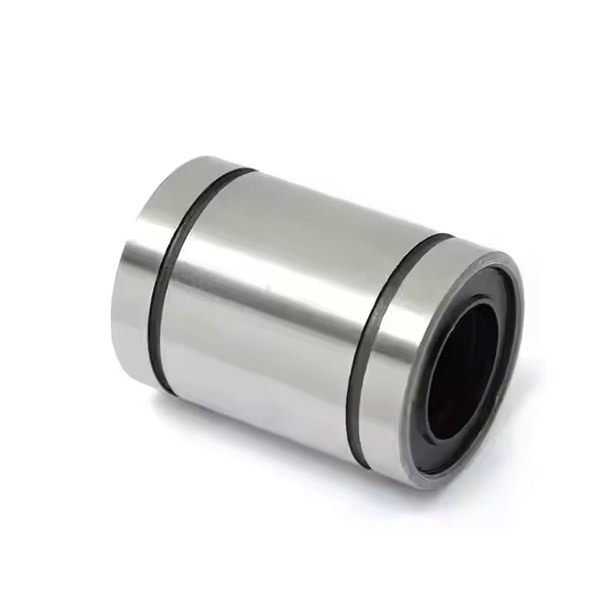
Linear bearings are mechanical devices that enable smooth motion between two surfaces. Designed to facilitate linear movement, they reduce friction and wear, thereby enhancing performance and efficiency. Typically found in machinery, linear bearings support loads while allowing for precise movements in applications ranging from CNC machining to robotics.
At their core, linear bearings function by guiding a moving element along a shaft or rail. They comprise various components, including balls, rollers, and cages, working together to minimize resistance. The design allows for minimal friction, which is crucial in applications requiring high precision and repeatability.
How Linear Bearings Work: The Mechanics Explained
Understanding how linear bearings function requires a closer examination of their components and mechanics. Most linear bearings operate on the principle of rolling or sliding motion, depending on their design.
The Components of Linear Bearings
1. **Rolling Elements**: These can be either balls or cylindrical rollers that facilitate movement. They are crucial for reducing friction and enhancing load-bearing capabilities.
2. **Cage**: The cage holds the rolling elements in place, preventing contact between them and ensuring smooth operation.
3. **Raceways**: These are the surfaces along which the rolling elements move. They are precision-machined to ensure proper alignment and reduce wear.
Mechanics of Motion
In rolling-element bearings, the balls or rollers roll between the raceways, providing low-friction movement. In contrast, sliding linear bearings may use a lubricated surface to facilitate motion. Both types are designed to manage loads effectively, but the choice between them often depends on the application requirements.
Types of Linear Bearings: Navigating Your Options
Several types of linear bearings exist, each with its unique features and applications. Understanding these types is critical for making informed decisions based on specific operational needs.
1. Ball Bearings
Ball linear bearings utilize small balls as the rolling elements. They are popular for their versatility and can handle a range of loads and speeds. Their design allows for excellent precision and minimal friction, making them suitable for various applications.
2. Roller Bearings
This type employs cylindrical rollers instead of balls. Roller bearings can support heavier loads and are often used in applications where strength and durability are paramount.
3. Plain Bearings
Plain or sliding linear bearings rely on a lubricated surface for motion. They are simpler in design and often more cost-effective, making them suitable for applications with lower precision requirements.
4. Pillow Block Bearings
These are mounted bearings that provide extra support and stability. They are commonly used in applications requiring robust support and alignment.
5. Linear Motion Guides
Linear motion guides combine rails and carriages to provide smooth movement. They are ideal for applications requiring high precision and load-bearing capacity.
Applications of Linear Bearings in Various Industries
Linear bearings find applications across a myriad of industries, showcasing their versatility and importance. Here are some notable sectors leveraging these devices:
1. Manufacturing
In manufacturing, linear bearings play a vital role in CNC machines, automation systems, and assembly lines. Their ability to facilitate precise movements is crucial for maintaining quality and efficiency.
2. Robotics
Robotic systems rely heavily on linear bearings for their joint movements and operational efficiency. They allow for smooth and precise positioning, essential for tasks requiring accuracy.
3. Medical Equipment
In the medical field, linear bearings are utilized in imaging equipment, surgical robots, and laboratory automation. The need for high precision and reliability in medical applications underscores the importance of quality linear bearings.
4. Aerospace
Aerospace applications demand top-tier performance and reliability. Linear bearings contribute to the functionality of various systems, from aircraft landing gear to control surfaces.
5. Automotive
In the automotive industry, linear bearings are integral to manufacturing processes, assembly lines, and even certain vehicle components. Their durability and precision enhance vehicle performance and manufacturing efficiency.
Advantages of Using Linear Bearings in Industrial Applications
Choosing linear bearings offers myriad benefits that can significantly enhance operational efficiency and productivity. Some of the key advantages include:
1. Reduced Friction
Linear bearings reduce friction, thereby minimizing wear and tear on components. This leads to longer service life and decreased maintenance costs.
2. Increased Precision
The design of linear bearings allows for high levels of accuracy in motion. This precision is essential in applications where exact positioning is critical.
3. Smooth Operation
Linear bearings facilitate smooth linear motion, reducing vibrations and noise. This is particularly important in environments where noise reduction is necessary.
4. Versatility
With various types available, linear bearings can be tailored to meet the specific needs of different applications. Their adaptability makes them a preferred choice across industries.
5. Load Capacity
Linear bearings are designed to handle different load capacities, enabling them to be used in both light and heavy-duty applications.
Selection Criteria for Linear Bearings: What to Consider
When selecting linear bearings, professionals must consider several factors to ensure optimal performance. Understanding these criteria can significantly impact the outcome of an application.
1. Load Requirements
Determine the load that the bearing will support. It’s essential to select a bearing that can handle both static and dynamic loads.
2. Speed and Motion
Evaluate the speed at which the bearing will operate. Some bearings are optimized for high-speed applications, while others may be better suited for slower operations.
3. Environmental Conditions
Consider the operating environment, including factors like temperature, humidity, and exposure to contaminants. This information is crucial for selecting the appropriate materials and designs.
4. Precision and Tolerance
Assess the level of precision required for your application. Some tasks demand tighter tolerances than others, impacting the bearing choice.
5. Maintenance Needs
Evaluate how much maintenance can be performed. Some bearings require more upkeep than others, and this may influence your selection.
Maintenance of Linear Bearings: Ensuring Longevity and Performance
To maximize the lifespan and efficiency of linear bearings, proper maintenance is paramount. Here are essential maintenance practices to follow:
1. Regular Inspection
Routine checks for signs of wear, misalignment, or damage can prevent costly failures. Inspect bearings regularly to ensure they are functioning correctly.
2. Lubrication
Proper lubrication is crucial for minimizing friction and wear. Choose the appropriate type of lubricant and follow a regular lubrication schedule based on application requirements.
3. Cleanliness
Keep the bearing and surrounding areas clean to prevent contaminants from entering the system. Use appropriate cleaning methods to maintain optimal operation.
4. Alignment
Ensure that bearings are correctly aligned. Misalignment can lead to increased wear and premature failure, impacting the entire system's performance.
5. Replacement
Monitor the performance of bearings and replace them as needed. Identifying when a bearing has reached the end of its service life is crucial for maintaining operational efficiency.
Future Trends in Linear Bearing Technology: What’s Next?
The linear bearing industry is continually evolving, with innovations aimed at improving performance and efficiency. Some trends to watch include:
1. Smart Bearings
As the Internet of Things (IoT) advances, smart bearings equipped with sensors to monitor performance and predict maintenance needs are emerging. These innovations can enhance operational efficiency.
2. Advanced Materials
The development of new materials that can withstand extreme conditions and reduce friction is on the rise. Innovations in materials science may lead to longer-lasting and more efficient bearings.
3. Sustainable Practices
With increasing awareness of environmental concerns, the industry is focusing on sustainable manufacturing practices. This includes the development of eco-friendly lubricants and recyclable bearing materials.
4. Customization
As industries demand more tailored solutions, manufacturers are offering customizable linear bearings to meet specific needs. This trend is set to grow, promoting flexibility and efficiency.
FAQs About Linear Bearings
1. What is the main function of linear bearings?
Linear bearings facilitate smooth, linear motion of moving parts, reducing friction and wear while enhancing precision.
2. How do I know which type of linear bearing to use?
Consider factors such as load capacity, speed requirements, and environmental conditions to select the appropriate bearing type.
3. What are the common causes of linear bearing failure?
Common causes include misalignment, lack of lubrication, contamination, and exceeding load limits.
4. How often should I maintain linear bearings?
Establish a maintenance schedule based on operational conditions, but regular inspections and lubrication are typically recommended.
5. Are there linear bearings that are good for high-speed applications?
Yes, specific linear bearings are designed for high-speed applications, allowing for precise and efficient operation.
Conclusion
Understanding the technology behind linear bearings is crucial for professionals in various industries. From their fundamental design to their diverse applications, linear bearings play a pivotal role in enhancing efficiency, precision, and operational longevity. By carefully selecting, maintaining, and leveraging these components, organizations can significantly improve their processes and overall productivity. As technology continues to advance, staying informed about the latest trends and developments in linear bearing technology will be essential for maintaining a competitive edge in the industrial landscape.


10% DISCOUNT FOR NEW CUSTOMERS

WhatsApp:+8613211157555
Tel: +8613211157555
Address:Room 1106, 11th Floor, No. 23, Fengshan West Road, Jinbang Community, Daliang Street, Shunde District, Foshan City, Guangdong Province
Copyright 2025 Schaeffler (Guangdong) Transmission Technology Co., Ltd. SEO Business license