27
2026
-
02
Understanding Cylindrical Roller Bearings: Key Insights for Industrial Applications
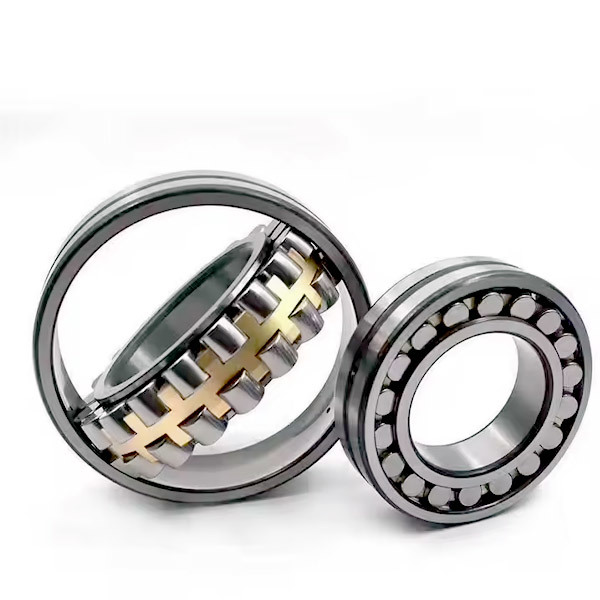
Cylindrical roller bearings are designed to accommodate heavy radial loads and are often used in applications where space is limited. Unlike ball bearings, cylindrical roller bearings utilize rollers that are arranged parallel to the shaft, which allows for increased contact area and, therefore, greater load-bearing capacity. This unique configuration makes them particularly suitable for high-spee
One of the standout features of cylindrical roller bearings is their ability to handle both axial and radial loads effectively. The design typically includes a separable structure, allowing for easy assembly and disassembly. This feature is especially beneficial in maintenance scenarios, where timely servicing can minimize downtime and enhance the overall reliability of the machinery.
Cylindrical roller bearings come in various designs, including single-row, double-row, and multi-row configurations. Each design has its specific applications and advantages. For instance, single-row cylindrical roller bearings are often used in applications where space is at a premium and high load capacity is required. Meanwhile, double-row versions are ideal for applications where axial load capacity is also a concern.
When selecting cylindrical roller bearings for your industrial equipment, it's essential to consider several factors, including the type of load, speed, and operating environment. For example, if your application involves heavy loads and high speeds, you may want to look for bearings with a high radial load rating and a design that minimizes friction.
Another critical aspect is lubricant selection, which plays a significant role in the performance and longevity of cylindrical roller bearings. Proper lubrication reduces wear and heat generation, which can prolong the bearing's operational life. It's essential to choose a lubricant compatible with the bearing material and the operating conditions to ensure optimal performance.
In addition to load capacity and lubrication, temperature and environmental conditions must also be considered. Cylindrical roller bearings may require specific materials or protective coatings to withstand extreme temperatures or corrosive environments. Therefore, conducting a thorough analysis of the operational conditions can help in selecting the most appropriate bearing solution.
In conclusion, cylindrical roller bearings are integral components in various industrial applications, providing high load capacity and durability. Understanding their design, features, and appropriate usage can significantly impact the efficiency and reliability of your machinery. By carefully considering the application requirements and environmental factors, you can ensure that you select the right cylindrical roller bearings to meet your operational needs effectively.

10% DISCOUNT FOR NEW CUSTOMERS

WhatsApp:+8613211157555
Tel: +8613211157555
Address:Room 1106, 11th Floor, No. 23, Fengshan West Road, Jinbang Community, Daliang Street, Shunde District, Foshan City, Guangdong Province
Copyright 2025 Schaeffler (Guangdong) Transmission Technology Co., Ltd. SEO Business license