20
2026
-
02
Self-Aligning Ball Bearings: The Ultimate Solution for Minimizing Alignment Issues in Industrial Equipment
Self-Aligning Ball Bearings: Minimizing Alignment Issues in Equipment Table of Contents 1. Introduction to Self-Aligning Ball Bearings 2. Understanding Alignment Issues in Equipment 3. Benefits of Self-Aligning Ball Bearings 4. How Self-Aligning Ball Bearings Work 5. Applications of Self-Aligning Ball Bearings in Various Industries 6. Installation and Maintenance Tips for Optimal Perf
Self-Aligning Ball Bearings: Minimizing Alignment Issues in Equipment
Table of Contents
- 1. Introduction to Self-Aligning Ball Bearings
- 2. Understanding Alignment Issues in Equipment
- 3. Benefits of Self-Aligning Ball Bearings
- 4. How Self-Aligning Ball Bearings Work
- 5. Applications of Self-Aligning Ball Bearings in Various Industries
- 6. Installation and Maintenance Tips for Optimal Performance
- 7. Common Issues with Self-Aligning Ball Bearings and Their Solutions
- 8. Conclusion
- 9. Frequently Asked Questions (FAQs)
1. Introduction to Self-Aligning Ball Bearings
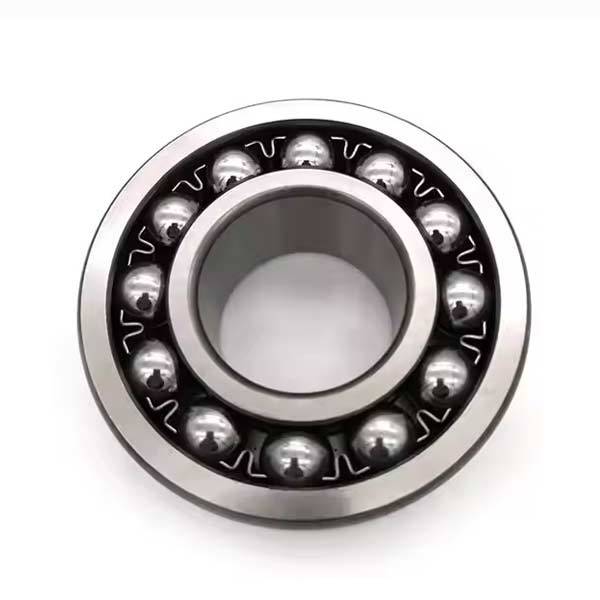
Self-aligning ball bearings are a type of rolling-element bearing designed to accommodate misalignment between the shaft and the housing. These bearings are characterized by their spherical outer raceway, allowing the inner race and ball assembly to pivot and self-adjust in response to any alignment issues. This unique feature makes them invaluable in applications where shaft misalignment occurs due to operational stresses or manufacturing tolerances.
In industrial settings, effective use of self-aligning ball bearings can lead to a significant reduction in equipment wear, noise, and energy consumption. This article delves deep into the functionality, benefits, and applications of self-aligning ball bearings to guide you in optimizing your machinery.
2. Understanding Alignment Issues in Equipment
Alignment issues in industrial equipment can lead to a cascade of problems, including increased friction, premature wear, and even catastrophic failures. Misalignment can arise from various factors, such as:
- **Thermal expansion**: As machines heat up during operation, components can expand unevenly.
- **Vibration**: Continuous operation can generate vibrations that lead to misalignments.
- **Installation errors**: Improper setup can cause shafts to be misaligned from the outset.
These issues not only compromise performance but can also lead to costly downtime and repairs. Understanding these challenges is the first step in mitigating their impact through the use of self-aligning ball bearings.
3. Benefits of Self-Aligning Ball Bearings
Self-aligning ball bearings offer numerous advantages, making them a preferred choice for many industrial applications. Here are some of the key benefits:
Enhanced Misalignment Compensation
The primary advantage of self-aligning ball bearings is their ability to handle misalignment. They can tolerate angular misalignment of up to 3 degrees, significantly reducing the risk of failure.
Reduced Friction and Wear
By accommodating misalignment, these bearings minimize friction between moving parts, which in turn reduces wear and extends the lifespan of both the bearings and the associated machinery.
Lower Maintenance Costs
With reduced wear and tear, self-aligning ball bearings often result in lower maintenance costs. Fewer failures mean less downtime and fewer replacement parts.
Versatility in Applications
Self-aligning ball bearings are suitable for a wide range of applications, including conveyor systems, electric motors, and agricultural machinery. Their versatility makes them an essential component across various industries.
Noise Reduction
By minimizing friction and optimizing alignment, self-aligning ball bearings contribute to quieter operation, which is particularly beneficial in environments where noise reduction is a priority.
4. How Self-Aligning Ball Bearings Work
Self-aligning ball bearings consist of an inner ring, an outer ring, and a ball set. The inner ring typically has two raceways, while the outer ring has a spherical shape. This design allows the bearing to pivot and accommodate misalignments effectively.
When the shaft to which the inner ring is mounted experiences misalignment, the balls within the inner raceways naturally adjust their position to maintain contact with the outer spherical raceway. This self-adjustment occurs without significant additional friction and helps prevent the wear that typically accompanies misalignment.
5. Applications of Self-Aligning Ball Bearings in Various Industries
Self-aligning ball bearings are used in numerous industries due to their adaptability and performance benefits. Here are some common applications:
Agriculture
In agricultural machinery, self-aligning ball bearings are used in equipment like tractors, harvesters, and tillers. Their ability to handle misalignment caused by uneven terrain ensures optimal performance in the field.
Mining and Quarrying
Mining equipment operates under extreme conditions, leading to frequent misalignment. Self-aligning ball bearings help maintain the integrity of conveyor systems and crushers, reducing downtime and maintenance costs.
Textile Industry
In textile machinery, precision is crucial. Self-aligning ball bearings are employed in spinning and weaving equipment to maintain alignment during operation, ensuring high-quality production.
Electric Motors
Electric motors benefit from self-aligning ball bearings, which help maintain smooth operation despite misalignment. This is particularly important in applications where motors are subjected to fluctuating loads.
Food and Beverage Processing
Hygiene is paramount in the food industry. Self-aligning ball bearings are designed to meet strict sanitary standards, making them ideal for conveyors and processing equipment.
6. Installation and Maintenance Tips for Optimal Performance
Proper installation and maintenance of self-aligning ball bearings are crucial for maximizing their performance and lifespan. Here are some essential tips:
Installation Tips
- **Ensure Proper Alignment**: Before installation, ensure that the shaft and housing are properly aligned to minimize initial misalignment.
- **Use Appropriate Tools**: Use specialized tools designed for bearing installation to prevent damaging the components.
- **Follow Manufacturer Specifications**: Adhere to the manufacturer’s guidelines for fit and tolerance to ensure optimal performance.
Maintenance Tips
- **Regular Inspection**: Conduct routine inspections for signs of wear, such as unusual noise or vibration.
- **Lubrication**: Follow the lubrication schedule recommended by the manufacturer to ensure smooth operation.
- **Monitor Operating Conditions**: Keep an eye on temperature and load conditions, as extreme changes can affect bearing performance.
7. Common Issues with Self-Aligning Ball Bearings and Their Solutions
Despite their advantages, self-aligning ball bearings can encounter several common issues. Here’s how to address them:
Issue 1: Excessive Noise
**Solution**: Check for proper lubrication and inspect for dirt or debris accumulation. Regular cleaning and maintenance can mitigate this issue.
Issue 2: Overheating
**Solution**: Monitor operating temperatures and ensure that the bearing is not overloaded. Adjust load conditions or improve ventilation if necessary.
Issue 3: Premature Wear
**Solution**: Ensure correct installation and alignment during setup. Regular inspections can help identify early signs of wear, allowing for timely intervention.
8. Conclusion
Self-aligning ball bearings are a vital component in minimizing alignment issues in industrial equipment. Their unique design allows them to accommodate misalignment effectively, leading to reduced wear, lower maintenance costs, and enhanced performance across various applications. By understanding their functionality, benefits, and best practices for installation and maintenance, businesses can significantly improve the reliability of their machinery. Embracing self-aligning ball bearings is not just a choice; it’s a strategic decision to optimize operational efficiency and extend the lifespan of industrial equipment.
9. Frequently Asked Questions (FAQs)
1. What are self-aligning ball bearings?
Self-aligning ball bearings are designed to accommodate misalignments between the shaft and the housing, featuring a spherical outer raceway that allows for self-adjustment.
2. Where are self-aligning ball bearings commonly used?
They are used in various industries, including agriculture, mining, textiles, electric motors, and food and beverage processing.
3. How do I know if my self-aligning ball bearings need maintenance?
Signs of wear, such as unusual noise or vibration, overheating, or reduced performance, may indicate that maintenance is required.
4. Can self-aligning ball bearings handle all types of misalignment?
While they can handle significant misalignment, it's essential to stay within the manufacturer's specifications to avoid potential failures.
5. What maintenance practices extend the life of self-aligning ball bearings?
Regular inspections, proper lubrication, and monitoring of operating conditions are crucial for extending the lifespan of self-aligning ball bearings.


10% DISCOUNT FOR NEW CUSTOMERS

WhatsApp:+8613211157555
Tel: +8613211157555
Address:Room 1106, 11th Floor, No. 23, Fengshan West Road, Jinbang Community, Daliang Street, Shunde District, Foshan City, Guangdong Province
Copyright 2025 Schaeffler (Guangdong) Transmission Technology Co., Ltd. SEO Business license