13
2026
-
02
Unlocking the Potential of Linear Bearings in Industrial Applications
Linear bearings are essential components in various industrial applications, playing a crucial role in ensuring the smooth and efficient movement of machinery parts. These bearings are designed to provide linear motion with minimal friction, enabling precise positioning and operation across a wide range of equipment. Their unique construction and functionality make them a popular choice in manufac
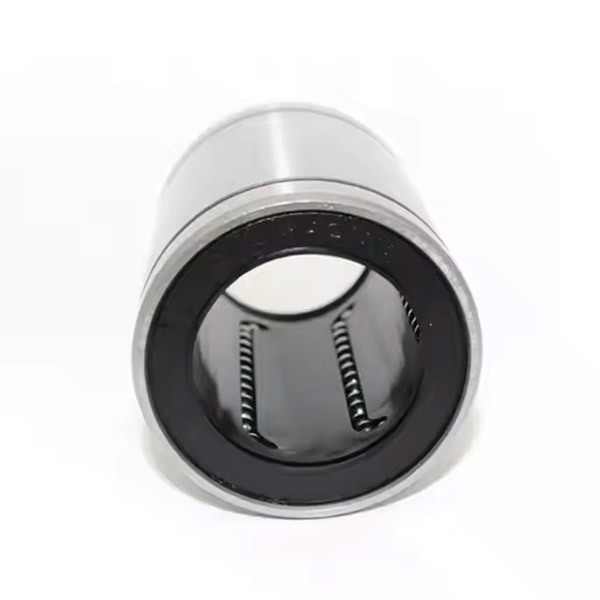
One of the key advantages of linear bearings is their ability to accommodate heavy loads while maintaining low friction. This capability is primarily due to their design, which typically includes a shaft and a bearing block or cartridge that moves along the shaft. The bearing unit can feature various configurations, including ball or roller designs, which further enhance load capacity and reduce wear over time. As a result, linear bearings can significantly extend the lifespan of machinery and reduce maintenance requirements.
In addition to their robust performance, linear bearings also offer versatility in design and application. They can be found in various types of machinery, including CNC machines, conveyor systems, and robotic arms. By selecting the appropriate linear bearing for a specific application, engineers can optimize the performance of their systems, achieving higher speeds and improved precision. This adaptability makes linear bearings a preferred choice for both new projects and retrofitting existing machines.
Another important aspect of linear bearings is their installation and alignment. Proper installation is critical to achieving optimal performance and longevity. Ensuring that the shaft is correctly aligned and free of contaminants will enhance the bearing's functionality and reduce the likelihood of failure. Regular maintenance, such as lubrication and inspection, is also essential to prolong the life of linear bearings and maintain the efficiency of the machinery they support.
Furthermore, the materials used in the construction of linear bearings can significantly impact their performance. High-quality materials, such as stainless steel or advanced polymers, can offer enhanced corrosion resistance and durability, making them suitable for demanding environments. Selecting the right material not only improves the bearing's performance but also ensures compatibility with the specific application requirements.
In conclusion, linear bearings are integral to the smooth operation of various industrial systems, offering unmatched precision, reliability, and versatility. Understanding their design, application, and maintenance requirements can empower professionals to make informed decisions that enhance operational efficiency and equipment longevity. Embracing the capabilities of linear bearings is essential for any industry looking to optimize their machinery and maintain a competitive edge in today’s fast-paced market.
RELATED BLOGS

10% DISCOUNT FOR NEW CUSTOMERS

WhatsApp:+8613211157555
Tel: +8613211157555
Address:Room 1106, 11th Floor, No. 23, Fengshan West Road, Jinbang Community, Daliang Street, Shunde District, Foshan City, Guangdong Province
Copyright 2025 Schaeffler (Guangdong) Transmission Technology Co., Ltd. SEO Business license