02
2026
-
01
Understanding Angular Contact Ball Bearings: Essential Insights for Industrial Applications
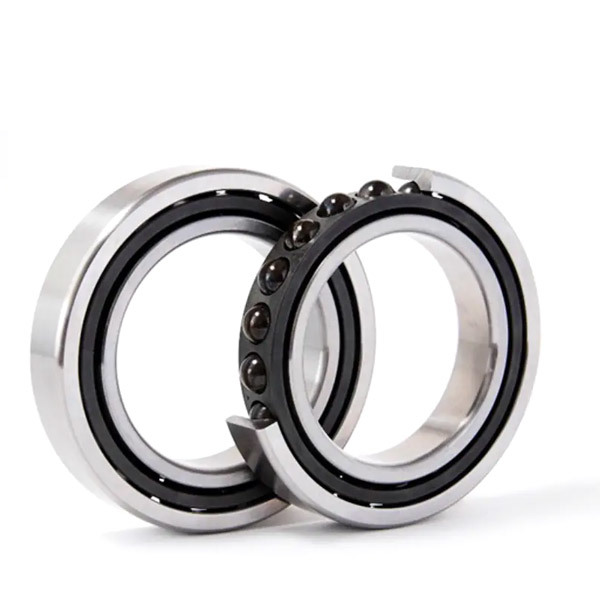
Angular contact ball bearings are a vital component in various industrial applications, known for their ability to handle combined loads effectively. Unlike standard ball bearings, angular contact ball bearings can support both radial and axial loads due to their unique design, which includes two or more rows of balls positioned at an angle to the shaft. This specific arrangement allows them to ma
One of the key features of angular contact ball bearings is the contact angle. This angle determines the bearing's load-carrying capacity and its ability to handle axial loads. Typically, the larger the contact angle, the greater the axial load capacity. This characteristic makes angular contact ball bearings particularly suitable for high-speed applications where both radial and axial loads need to be managed simultaneously.
In addition to load handling, the design of angular contact ball bearings contributes to their operational efficiency. Their internal geometry allows for smooth rotation and reduced friction, which is crucial in applications where heat generation can lead to premature wear. Proper lubrication is also essential to ensure the longevity and performance of these bearings, as it minimizes wear and prevents overheating.
A common application for angular contact ball bearings is in spindle designs, where precise positioning and the ability to handle dynamic loads are critical. These bearings are frequently used in machine tools, electric motors, and conveyor systems, where their ability to accommodate misalignment and varying load conditions enhances overall performance.
When selecting angular contact ball bearings for a specific application, it is essential to consider factors such as the load requirements, speed, and potential environmental conditions. Each application may require a different configuration, such as single or double-row bearings, depending on the load direction and capacity needed.
Ultimately, understanding the characteristics and functionalities of angular contact ball bearings is essential for professionals in the industrial sector. By leveraging this knowledge, businesses can optimize their equipment performance, enhance reliability, and extend the lifespan of their machinery, leading to improved productivity and reduced operational costs.
In summary, angular contact ball bearings play a critical role in the industrial equipment landscape. Their unique design and capabilities make them indispensable for applications requiring efficient load handling and high-speed performance. By choosing the right angular contact ball bearings, industries can ensure smooth operation and long-lasting equipment performance.


10% DISCOUNT FOR NEW CUSTOMERS

WhatsApp:+8613211157555
Tel: +8613211157555
Address:Room 1106, 11th Floor, No. 23, Fengshan West Road, Jinbang Community, Daliang Street, Shunde District, Foshan City, Guangdong Province
Copyright 2025 Schaeffler (Guangdong) Transmission Technology Co., Ltd. SEO Business license