10
2026
-
07
Troubleshooting Common Issues with Angular Contact Ball Bearings: A Comprehensive Guide
Troubleshooting Common Issues with Angular Contact Ball Bearings: A Comprehensive Guide Table of Contents Introduction to Angular Contact Ball Bearings Understanding Issues with Angular Contact Ball Bearings Common Symptoms of Bearing Problems Causes of Angular Contact Ball Bearing Failures Step-by-Step Troubleshooting Guide Preventive Maintenance for Angular Contact Ball
Troubleshooting Common Issues with Angular Contact Ball Bearings: A Comprehensive Guide
Table of Contents
- Introduction to Angular Contact Ball Bearings
- Understanding Issues with Angular Contact Ball Bearings
- Common Symptoms of Bearing Problems
- Causes of Angular Contact Ball Bearing Failures
- Step-by-Step Troubleshooting Guide
- Preventive Maintenance for Angular Contact Ball Bearings
- When to Seek Professional Help
- Conclusion
- FAQs
Introduction to Angular Contact Ball Bearings
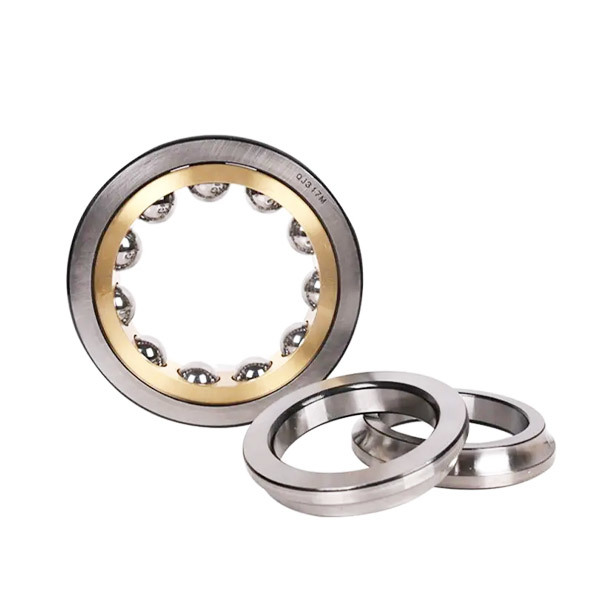
Angular contact ball bearings are essential components in various industrial applications, designed to handle both radial and axial loads. Their design incorporates a particular angle that allows them to accommodate higher speeds and loads compared to standard ball bearings. Understanding how these bearings function and recognizing the potential issues that may arise is crucial for maintaining optimal performance.
Understanding Issues with Angular Contact Ball Bearings
While angular contact ball bearings are engineered for durability and high performance, they are not immune to problems. The identification and troubleshooting of these issues can significantly reduce downtime in industrial operations. This guide will explore the common problems associated with angular contact ball bearings, their symptoms, causes, and effective solutions.
Common Symptoms of Bearing Problems
Recognizing the symptoms of bearing failure early can save both time and money. Here are some key indicators that your angular contact ball bearings may be experiencing issues:
1. Unusual Noises
Hearing grinding, rattling, or whirring sounds can indicate that the bearings are not operating smoothly. These noises often result from insufficient lubrication or damaged components.
2. Increased Operating Temperature
A noticeable rise in temperature during operation can be a sign of excessive friction or inadequate lubrication. Monitoring the temperature can help in diagnosing potential issues.
3. Vibration
Excessive vibration is a strong indicator of bearing problems. It can stem from misalignment, wear, or damage. Regular vibration analysis can help identify the source of the issue.
4. Reduced Performance
A decline in performance metrics, such as speed or load capacity, may suggest that the bearings are failing. Performance degradation can ultimately lead to system failures if not addressed promptly.
Causes of Angular Contact Ball Bearing Failures
Understanding the underlying causes of bearing failures is critical for effective troubleshooting. Here are some common factors that contribute to the degradation of angular contact ball bearings:
1. Poor Lubrication
Inadequate or contaminated lubrication can lead to increased friction and wear. It's vital to ensure that the correct type and amount of lubricant are used according to the manufacturer’s specifications.
2. Misalignment
Misalignment of the bearing within its housing can result in uneven load distribution, leading to premature wear and eventual failure. Proper installation techniques should be followed to avoid this issue.
3. Overloading
Exceeding the load capacity of the bearings can cause significant stress and lead to early failure. Always refer to the manufacturer's load ratings and ensure the application is within the specified limits.
4. Contamination
Foreign particles such as dust, dirt, and moisture can contaminate the bearing, leading to corrosion and wear. Employing appropriate sealing solutions can help minimize contamination risks.
5. Inadequate Installation
Improper installation techniques can lead to various issues such as misalignment and damage to bearing surfaces. Following correct installation procedures is essential for longevity.
Step-by-Step Troubleshooting Guide
Troubleshooting angular contact ball bearing issues requires a systematic approach. Here’s a step-by-step guide to help diagnose and resolve common problems:
Step 1: Visual Inspection
Begin with a thorough visual inspection of the bearing and surrounding components. Look for any signs of wear, corrosion, or contamination.
Step 2: Check Lubrication
Verify that the bearings are adequately lubricated. Inspect the lubricant for contamination and ensure it meets the manufacturer's specifications.
Step 3: Measure Operating Temperature
Use infrared thermometers or thermal imaging cameras to monitor the temperature of the bearings during operation. Compare the temperature readings to the normal operating range.
Step 4: Conduct Vibration Analysis
Utilize vibration analysis tools to detect irregularities in the bearing performance. Analyzing vibration patterns can help identify specific issues.
Step 5: Assess Alignment
Check for proper alignment using alignment tools. Misalignment can lead to uneven wear and increased stress on the bearings.
Step 6: Load Capacity Evaluation
Review the load conditions and ensure that the bearings are not overloaded. If necessary, reassess the application to verify load requirements.
Step 7: Replace Damaged Bearings
If all inspections indicate that the bearings are damaged beyond repair, consider replacing them. Use high-quality replacement bearings that meet or exceed the original specifications.
Preventive Maintenance for Angular Contact Ball Bearings
Implementing a robust preventive maintenance program can significantly prolong the life of angular contact ball bearings. Here are some strategies to consider:
1. Regular Lubrication
Schedule regular lubrication intervals based on operating conditions and manufacturer recommendations. Use high-quality lubricants and replace them as needed.
2. Routine Inspections
Conduct routine inspections to identify early signs of wear or damage. Regular checks help maintain operational efficiency.
3. Vibration Monitoring
Incorporate vibration monitoring into your maintenance regimen. This proactive approach can help detect potential issues before they escalate.
4. Training Personnel
Ensure that personnel involved in maintenance and operation are adequately trained in the handling and care of angular contact ball bearings.
5. Use of Protective Seals
Employ seals and shields to protect bearings from contaminants, especially in harsh operating environments.
When to Seek Professional Help
If troubleshooting efforts do not yield satisfactory results, or if the problem seems complex, seeking professional assistance is advisable. Experts can provide insights that may not be immediately apparent, ensuring a thorough resolution to bearing issues.
Conclusion
Troubleshooting common issues with angular contact ball bearings is a vital aspect of maintaining industrial equipment performance. By understanding the symptoms, causes, and effective troubleshooting techniques, we can ensure the longevity and reliability of these essential components. Preventive measures play a significant role in avoiding future problems, so it is crucial to integrate these practices into regular maintenance routines. Should problems persist, don’t hesitate to consult with professionals to secure optimal performance of your machinery.
FAQs
1. What are the common applications for angular contact ball bearings?
Angular contact ball bearings are commonly used in applications requiring high-speed and high-load capacities, such as in electric motors, pumps, gearboxes, and machine tools.
2. How often should I change the lubrication in my bearings?
Lubrication intervals can vary based on operating conditions. Typically, it is advisable to check and change lubricants every few months or as specified by the manufacturer.
3. What should I do if I notice unusual noises coming from my bearings?
If you hear unusual noises, it’s essential to stop the machine and conduct a thorough inspection. Identify the source of the noise before resuming operation.
4. Can I use different types of lubricants for angular contact ball bearings?
It is crucial to use the type of lubricant recommended by the manufacturer. Using incorrect lubricants can lead to bearing failure.
5. How can I prevent contamination in my bearings?
To minimize contamination, it’s important to use protective seals and ensure that the bearing housing is properly sealed. Regular cleaning and maintenance can also help.
This comprehensive guide aims to provide valuable insights into troubleshooting angular contact ball bearings, ensuring that you can effectively manage and maintain these critical components in your industrial applications.

10% DISCOUNT FOR NEW CUSTOMERS

WhatsApp:+8613211157555
Tel: +8613211157555
Address:Room 1106, 11th Floor, No. 23, Fengshan West Road, Jinbang Community, Daliang Street, Shunde District, Foshan City, Guangdong Province
Copyright 2025 Schaeffler (Guangdong) Transmission Technology Co., Ltd. SEO Business license