09
2026
-
01
Thrust Roller Bearings: A Comprehensive Guide for Engineers
Thrust Roller Bearings: A Comprehensive Guide for Engineers Table of Contents 1. Introduction to Thrust Roller Bearings 2. Design and Construction of Thrust Roller Bearings 3. Types of Thrust Roller Bearings 4. Application Areas for Thrust Roller Bearings 5. Performance Characteristics of Thrust Roller Bearings 6. Installation and Maintenance Best Practices 7. Troubles
Thrust Roller Bearings: A Comprehensive Guide for Engineers
Table of Contents
- 1. Introduction to Thrust Roller Bearings
- 2. Design and Construction of Thrust Roller Bearings
- 3. Types of Thrust Roller Bearings
- 4. Application Areas for Thrust Roller Bearings
- 5. Performance Characteristics of Thrust Roller Bearings
- 6. Installation and Maintenance Best Practices
- 7. Troubleshooting Common Issues with Thrust Roller Bearings
- 8. Future Trends in Bearing Technology
- 9. Conclusion
- 10. Frequently Asked Questions
1. Introduction to Thrust Roller Bearings
Thrust roller bearings play an integral role in various mechanical systems where axial loads are significant. These bearings are designed to manage and support heavy loads, particularly in applications where rotational motion is present. In this section, we will explore the fundamental concepts surrounding thrust roller bearings, including their importance, types, and the essential features that set them apart from other bearing types.
2. Design and Construction of Thrust Roller Bearings
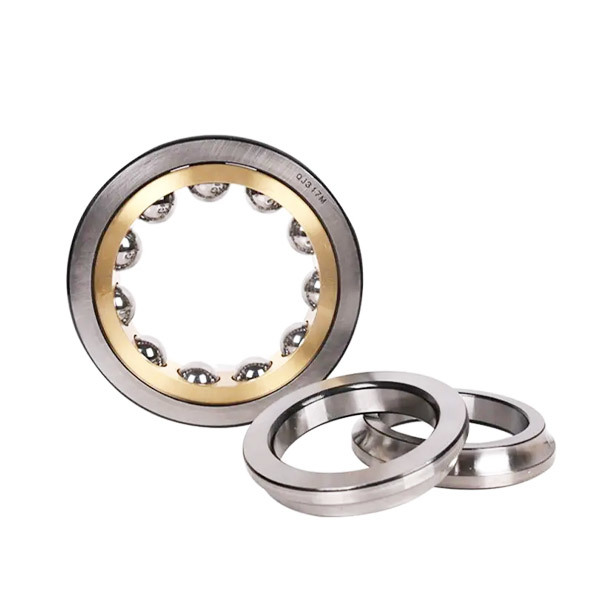
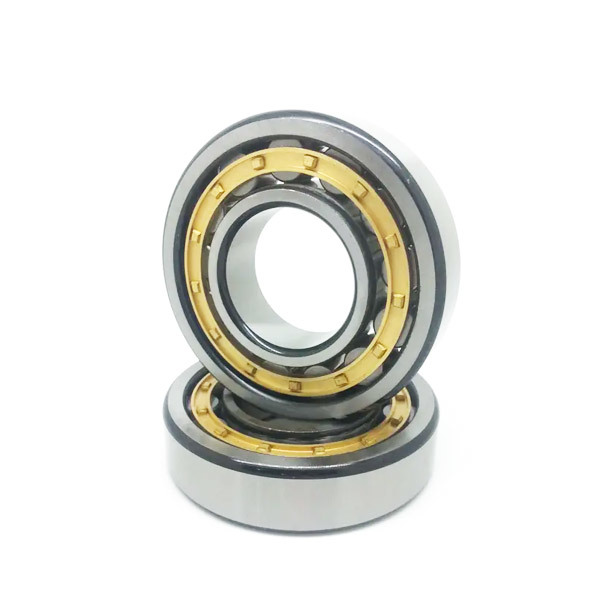
Thrust roller bearings are uniquely engineered to accommodate axial loads while allowing for some degree of angular misalignment. Their design typically consists of a set of cylindrical rollers situated between two raceways. The key components include:
2.1 Basic Components
- Outer Ring: Provides the housing for the rolling elements and maintains the bearing's structural integrity.
- Inner Ring: Mounted on the shaft, it serves as a rotating surface for the rolling elements.
- Rollers: The cylindrical elements that provide the rolling motion, designed to reduce friction.
- Cage: A retainer that ensures even spacing between the rollers and prevents contact, which can lead to wear.
2.2 Materials Used in Manufacturing
The materials used in thrust roller bearing construction significantly influence their performance. Common materials include:
- **Steel:** Offers high strength and durability, suitable for heavy load applications.
- **Stainless Steel:** Provides resistance to corrosion, ideal for harsh environments.
- **Polymer Composites:** Lightweight and resistant to wear, used in specialized applications.
3. Types of Thrust Roller Bearings
Understanding the different types of thrust roller bearings is crucial for selecting the right one for your application. The main types include:
3.1 Cylindrical Roller Thrust Bearings
These bearings consist of cylindrical rollers arranged in a single or double row. They are suited for applications with high axial loads and are often used in heavy machinery.
3.2 Spherical Roller Thrust Bearings
Featuring barrel-shaped rollers, these bearings can accommodate angular misalignment, making them ideal for applications subjected to dynamic loads.
3.3 Tapered Roller Thrust Bearings
Tapered roller thrust bearings are designed to handle both axial and radial loads. Their conical shape allows for efficient load distribution, making them suitable for automotive and industrial applications.
4. Application Areas for Thrust Roller Bearings
Thrust roller bearings find applications across various industries due to their reliability and performance under significant load conditions. Some common sectors include:
4.1 Automotive Industry
In vehicles, thrust roller bearings are utilized in transmission systems, steering mechanisms, and engine components, where they manage high axial loads effectively.
4.2 Industrial Machinery
These bearings are found in large industrial machines, such as pumps, compressors, and turbines, where they provide stability and performance during operation.
4.3 Marine Applications
In marine environments, thrust roller bearings are used in ship propulsion systems and other marine equipment due to their robustness and resistance to harsh conditions.
5. Performance Characteristics of Thrust Roller Bearings
Evaluating the performance characteristics of thrust roller bearings is essential for ensuring operational efficiency. Key factors include:
5.1 Load Capacity
Thrust roller bearings are designed to handle substantial axial loads, making them suitable for applications requiring strong support. Their load capacity is influenced by their design, material, and lubrication.
5.2 Speed Capability
These bearings are optimized for specific operational speeds. Understanding the speed ratings helps in selecting the correct bearing for your application.
5.3 Temperature Resistance
Thrust roller bearings are engineered to operate within certain temperature ranges. Selecting bearings with appropriate thermal properties is vital for maintaining performance and longevity.
6. Installation and Maintenance Best Practices
Proper installation and routine maintenance play critical roles in the performance and longevity of thrust roller bearings.
6.1 Installation Guidelines
- Ensure cleanliness during installation to avoid contamination.
- Use appropriate tools to prevent damage to the bearing surfaces.
- Follow the manufacturer’s specifications for fitting and alignment.
6.2 Maintenance Practices
Regular maintenance extends the life of thrust roller bearings. Key practices include:
- **Lubrication:** Ensure bearings are adequately lubricated using the recommended grease or oil type.
- **Inspection:** Regularly inspect bearings for signs of wear, corrosion, or overheating.
- **Replacement:** Replace bearings at the first signs of failure to prevent further damage.
7. Troubleshooting Common Issues with Thrust Roller Bearings
Identifying and addressing common issues can prevent premature bearing failure. Typical problems include:
7.1 Excessive Noise
Unusual noise during operation may indicate inadequate lubrication or misalignment. Inspect and correct as necessary.
7.2 Overheating
If the bearing becomes excessively hot, it may signal insufficient lubrication or overload conditions. Monitor operating temperatures and adjust accordingly.
7.3 Wear and Corrosion
Regular inspections can help identify early signs of wear or corrosion, allowing for timely intervention and replacement.
8. Future Trends in Bearing Technology
The bearing industry is continually evolving, and several trends are shaping the future of thrust roller bearings:
8.1 Advanced Materials
Research into composite materials and coatings is leading to bearings that offer improved performance and durability.
8.2 Smart Bearings
The integration of IoT technology in bearing designs is emerging. Smart bearings can provide real-time monitoring and diagnostic data, enhancing maintenance practices.
8.3 Sustainable Practices
The industry is increasingly focusing on sustainability, with efforts to develop eco-friendly materials and manufacturing processes.
9. Conclusion
Thrust roller bearings are essential components in various engineering applications, providing reliable support for axial loads. By understanding their design, types, applications, and maintenance practices, engineers can make informed decisions that enhance performance and longevity. As technology advances, the future of thrust roller bearings looks promising, with innovations that may further improve their efficiency and sustainability.
10. Frequently Asked Questions
10.1 What are thrust roller bearings used for?
Thrust roller bearings are primarily used to support axial loads in applications such as automotive, industrial machinery, and marine systems.
10.2 How do I choose the right thrust roller bearing for my application?
Selecting the appropriate bearing involves considering load capacity, speed ratings, material compatibility, and environmental conditions.
10.3 What maintenance practices should I follow for thrust roller bearings?
Regular lubrication, cleanliness during operation, and routine inspections are critical for maintaining thrust roller bearings.
10.4 Can thrust roller bearings handle radial loads?
Thrust roller bearings are primarily designed for axial loads but can handle some radial loads, particularly tapered roller thrust bearings.
10.5 What are the signs of a failing thrust roller bearing?
Signs of failure include excessive noise, overheating, and visible wear or corrosion during inspections. Timely replacement is crucial to prevent further damage.

10% DISCOUNT FOR NEW CUSTOMERS

WhatsApp:+8613211157555
Tel: +8613211157555
Address:Room 1106, 11th Floor, No. 23, Fengshan West Road, Jinbang Community, Daliang Street, Shunde District, Foshan City, Guangdong Province
Copyright 2025 Schaeffler (Guangdong) Transmission Technology Co., Ltd. SEO Business license