10
2025
-
10
Understanding Linear Bearings: A Guide to Enhanced Motion in Industrial Applications
Linear bearings are crucial components in various industrial applications, primarily designed to facilitate smooth and precise linear motion between moving parts. They are widely used in machinery, automation systems, and various equipment where linear movement is required. Understanding the intricacies of linear bearings is essential for engineers, designers, and maintenance personnel aiming to e
At their core, linear bearings utilize rolling elements, such as balls or rollers, to reduce friction between moving parts. This design allows for high-speed operations while maintaining accuracy and stability. The key advantage of using linear bearings lies in their ability to support heavy loads while providing minimal resistance during movement, which is particularly beneficial in applications requiring repetitive motion.
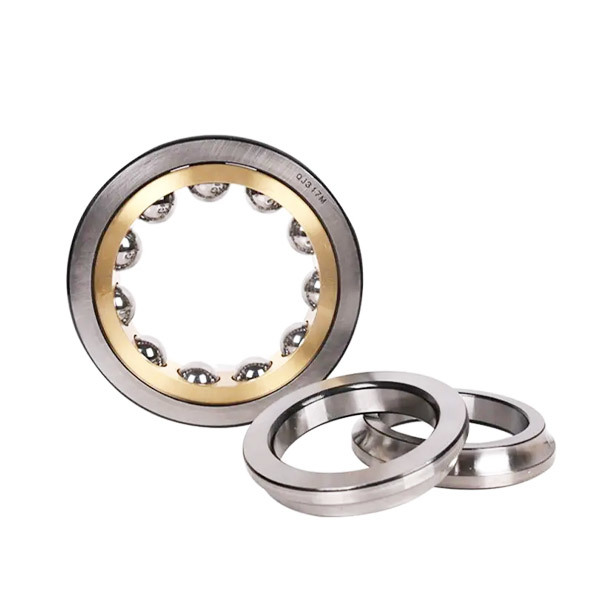
One of the primary types of linear bearings is the linear ball bearing. This type features a series of balls that roll between the bearing races, providing low friction and high load-carrying capacity. They are frequently employed in applications such as CNC machines, robotics, and conveyor systems. The design of linear ball bearings ensures that they can operate effectively in environments with high speeds and varying load conditions.
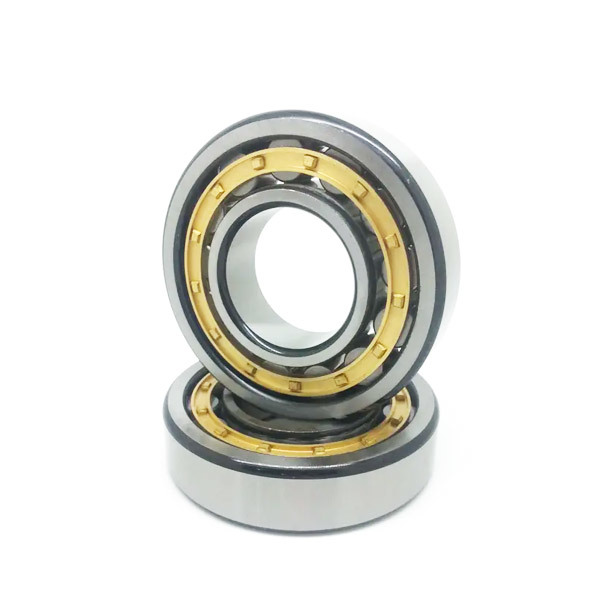
Another common variant is the linear roller bearing, which utilizes cylindrical rollers instead of balls. This configuration allows for increased surface contact area, enhancing the bearing's ability to support higher loads while maintaining low friction. Linear roller bearings are ideal for heavy-duty applications where durability and reliability are paramount.
When selecting linear bearings for specific applications, several factors must be taken into consideration. Load capacity, speed, and environmental conditions play a significant role in determining the suitability of a particular bearing type. Additionally, proper installation and maintenance of linear bearings are essential to ensure optimal performance and longevity. Regular inspections can help identify wear and tear, allowing for timely replacements and minimizing downtime.
Moreover, lubrication is a critical aspect of maintaining linear bearings. The appropriate lubricant can significantly reduce friction and wear, thus prolonging the bearing's life. Different types of lubricants, such as grease or oil, may be employed based on the specific application and operational conditions.
In conclusion, linear bearings are indispensable components that enhance the performance of various industrial equipment. By understanding their functionality, types, and maintenance requirements, users can make informed decisions that lead to improved efficiency and reliability in their operations. Whether you're involved in design, engineering, or maintenance, a thorough grasp of linear bearings will empower you to optimize motion control in your applications.

10% DISCOUNT FOR NEW CUSTOMERS

WhatsApp:+8613211157555
Tel: +8613211157555
Address:Room 1106, 11th Floor, No. 23, Fengshan West Road, Jinbang Community, Daliang Street, Shunde District, Foshan City, Guangdong Province
Copyright 2025 Schaeffler (Guangdong) Transmission Technology Co., Ltd. SEO Business license