09
2026
-
08
Deep Groove Ball Bearings: The Backbone of Reliable Industrial Equipment
Deep Groove Ball Bearings: The Backbone of Reliable Industrial Equipment Table of Contents 1. Introduction to Deep Groove Ball Bearings 2. Design and Construction of Deep Groove Ball Bearings 3. Applications of Deep Groove Ball Bearings in Various Industries 4. Advantages of Using Deep Groove Ball Bearings 5. Maintenance Tips for Longevity and Performance 6. Common Issues
Deep Groove Ball Bearings: The Backbone of Reliable Industrial Equipment
Table of Contents
- 1. Introduction to Deep Groove Ball Bearings
- 2. Design and Construction of Deep Groove Ball Bearings
- 3. Applications of Deep Groove Ball Bearings in Various Industries
- 4. Advantages of Using Deep Groove Ball Bearings
- 5. Maintenance Tips for Longevity and Performance
- 6. Common Issues and How to Solve Them
- 7. Criteria for Selecting the Right Deep Groove Ball Bearings
- 8. Future Trends in Deep Groove Ball Bearing Technology
- 9. Conclusion
- 10. Frequently Asked Questions
1. Introduction to Deep Groove Ball Bearings
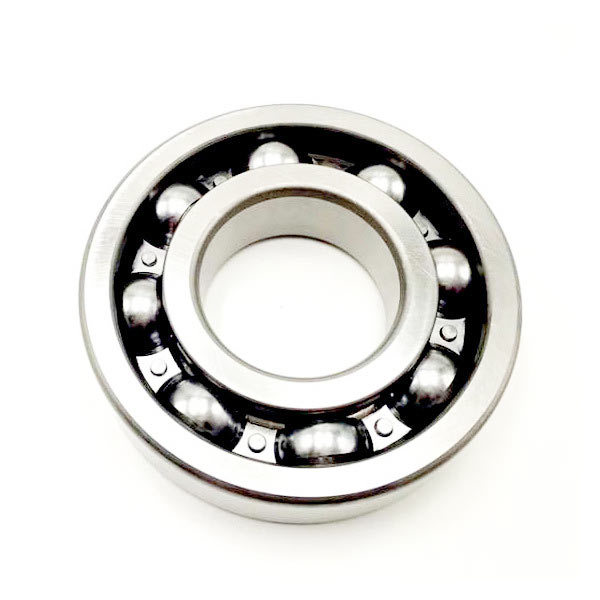
Deep groove ball bearings are a type of rolling-element bearing that plays a crucial role in various industrial applications. Their simple design, consisting of an inner and outer ring with a ball retainer, allows for smooth and efficient operation. These bearings are favored for their ability to handle both radial and axial loads, making them versatile components in machinery ranging from electric motors to automotive applications.
2. Design and Construction of Deep Groove Ball Bearings
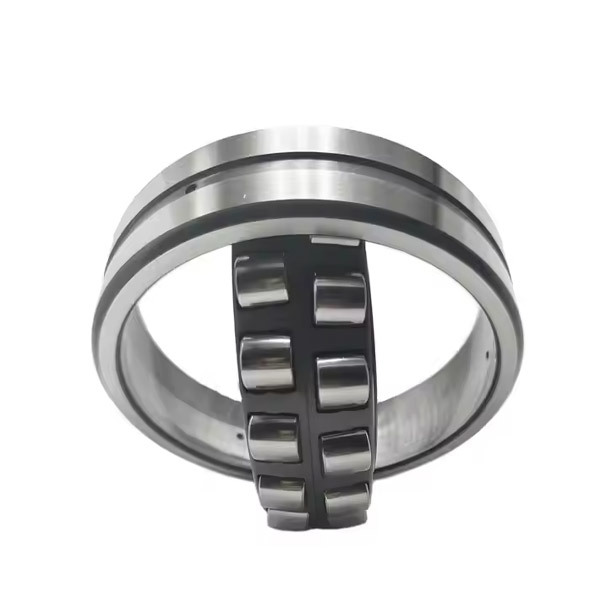
The construction of deep groove ball bearings involves precision engineering and high-quality materials. Typically, they are made from steel, stainless steel, or ceramic, each offering unique benefits depending on the application.
2.1 Components of Deep Groove Ball Bearings
Deep groove ball bearings consist of several key components:
- **Inner Ring:** The ring that fits onto the shaft, providing a stable surface for rotation.
- **Outer Ring:** The stationary part that holds the bearing in place within an assembly.
- **Balls:** The rolling elements that facilitate movement between the rings.
- **Retainer:** A cage that keeps the balls evenly spaced and prevents contact between them.
2.2 Types of Deep Groove Ball Bearings
There are two main types of deep groove ball bearings:
- **Single-row deep groove ball bearings:** These are the most common type and are used in various applications due to their compact design and ability to handle moderate radial and axial loads.
- **Double-row deep groove ball bearings:** Designed to carry heavier loads, these bearings consist of two rows of balls and are primarily used in applications requiring increased load capacity.
3. Applications of Deep Groove Ball Bearings in Various Industries
Deep groove ball bearings are utilized in a wide range of sectors, showcasing their versatility and reliability.
3.1 Automotive Industry
In the automotive industry, deep groove ball bearings are essential for components such as wheel hubs, electric motors, and gearboxes. Their ability to handle high speeds and varying load conditions makes them ideal for this sector.
3.2 Manufacturing and Industrial Machinery
Industrial machinery relies heavily on deep groove ball bearings for smooth operation. They are found in conveyor systems, pumps, and compressors, where efficient movement is crucial.
3.3 Aerospace Industry
In aerospace applications, the lightweight and high-performance characteristics of deep groove ball bearings are invaluable. They support engines, landing gear, and various mechanical systems, contributing to overall flight safety and efficiency.
4. Advantages of Using Deep Groove Ball Bearings
The popularity of deep groove ball bearings can be attributed to several key advantages:
4.1 Versatility
These bearings can accommodate both radial and axial loads, making them suitable for a variety of applications.
4.2 High Speed Capability
Deep groove ball bearings are designed to operate at high speeds, which is a critical requirement in many industrial processes.
4.3 Low Friction
The design of deep groove ball bearings minimizes friction, resulting in increased efficiency and reduced energy consumption.
4.4 Durability and Reliability
Constructed from robust materials, deep groove ball bearings are built to withstand harsh operating conditions, ensuring long service life and minimal downtime.
5. Maintenance Tips for Longevity and Performance
Proper maintenance is crucial for extending the life of deep groove ball bearings and ensuring optimal performance.
5.1 Regular Inspections
Routine checks for wear, damage, and lubrication levels can help identify issues before they lead to failure.
5.2 Lubrication
Using the right lubricant is essential. Different applications may require grease or oil, so it's important to choose the appropriate type based on operating conditions.
5.3 Environment Considerations
Protecting bearings from contaminants such as dust, moisture, and chemicals can significantly enhance their lifespan. Sealed bearings or appropriate housing can be beneficial in this regard.
6. Common Issues and How to Solve Them
Despite their reliability, deep groove ball bearings can experience issues that may impact performance.
6.1 Noise and Vibration
Unusual noise or vibration can indicate misalignment or wear. Addressing alignment and ensuring proper lubrication can often resolve the issue.
6.2 Overheating
Overheating can occur due to inadequate lubrication or excessive load. Regular monitoring and maintenance can help prevent this problem.
6.3 Corrosion
Corrosion can arise from exposure to moisture or chemicals. Utilizing corrosion-resistant materials or applying protective coatings can mitigate this risk.
7. Criteria for Selecting the Right Deep Groove Ball Bearings
Choosing the correct deep groove ball bearing is crucial for optimal performance in any application.
7.1 Load Capacity
Understanding the radial and axial load requirements of your application is essential when selecting bearings.
7.2 Speed Ratings
Different bearings have varying speed ratings; choose a bearing that can handle the operational speeds of your machinery.
7.3 Environmental Conditions
Consider factors such as temperature, humidity, and exposure to contaminants when selecting bearings for specific environments.
8. Future Trends in Deep Groove Ball Bearing Technology
As technology advances, the future of deep groove ball bearings looks promising.
8.1 Smart Bearings
The integration of sensors into bearings to monitor performance and predict failures represents a significant advancement in bearing technology.
8.2 Advanced Materials
The development of new materials, such as composites and ceramics, promises to enhance the performance and durability of deep groove ball bearings.
9. Conclusion
Deep groove ball bearings are essential components in the functioning of reliable industrial equipment. Their versatility, durability, and efficiency make them indispensable in various applications across multiple industries. By understanding their design, applications, and maintenance practices, industries can better utilize these bearings to enhance performance and reduce downtime.
10. Frequently Asked Questions
1. What are deep groove ball bearings used for?
Deep groove ball bearings are used in applications requiring rotational motion, such as motors, pumps, and conveyor systems, due to their ability to handle both radial and axial loads.
2. How do I know if my deep groove ball bearings need replacement?
Signs of wear, unusual noise, excessive vibration, or overheating can indicate that the bearings need to be replaced.
3. What is the lifespan of deep groove ball bearings?
The lifespan can vary depending on the application and maintenance, but with proper care, they can last several years.
4. Can I use deep groove ball bearings in high-temperature environments?
Yes, but it is essential to select bearings designed for high-temperature applications to ensure durability and performance.
5. How often should I lubricate deep groove ball bearings?
Lubrication frequency depends on the application and operating conditions; however, regular inspections should guide lubrication schedules.

10% DISCOUNT FOR NEW CUSTOMERS

WhatsApp:+8613211157555
Tel: +8613211157555
Address:Room 1106, 11th Floor, No. 23, Fengshan West Road, Jinbang Community, Daliang Street, Shunde District, Foshan City, Guangdong Province
Copyright 2025 Schaeffler (Guangdong) Transmission Technology Co., Ltd. SEO Business license