12
2026
-
06
Enhancing Equipment Lifespan with Needle Roller Bearings: A Comprehensive Guide
Enhancing Equipment Lifespan with Needle Roller Bearings Table of Contents 1. Introduction to Needle Roller Bearings 2. Understanding Needle Roller Bearings 3. Benefits of Needle Roller Bearings in Industrial Applications 4. How Needle Roller Bearings Work to Enhance Lifespan 5. Applications of Needle Roller Bearings in Equipment 6. Maintenance and Care for Optimal Perform
Enhancing Equipment Lifespan with Needle Roller Bearings
Table of Contents
- 1. Introduction to Needle Roller Bearings
- 2. Understanding Needle Roller Bearings
- 3. Benefits of Needle Roller Bearings in Industrial Applications
- 4. How Needle Roller Bearings Work to Enhance Lifespan
- 5. Applications of Needle Roller Bearings in Equipment
- 6. Maintenance and Care for Optimal Performance
- 7. Common Issues with Needle Roller Bearings and Solutions
- 8. Conclusion
- 9. Frequently Asked Questions
1. Introduction to Needle Roller Bearings
Needle roller bearings are a type of rolling-element bearing that utilize long, thin roller elements, resembling needles. These bearings are designed to provide minimal friction and high load-carrying capacity, making them ideal for various industrial applications. In today's competitive market, extending the lifespan of equipment is crucial for businesses seeking to maximize efficiency and reduce operational costs. Understanding how needle roller bearings work and their benefits is vital for any industry that relies on heavy machinery.
2. Understanding Needle Roller Bearings
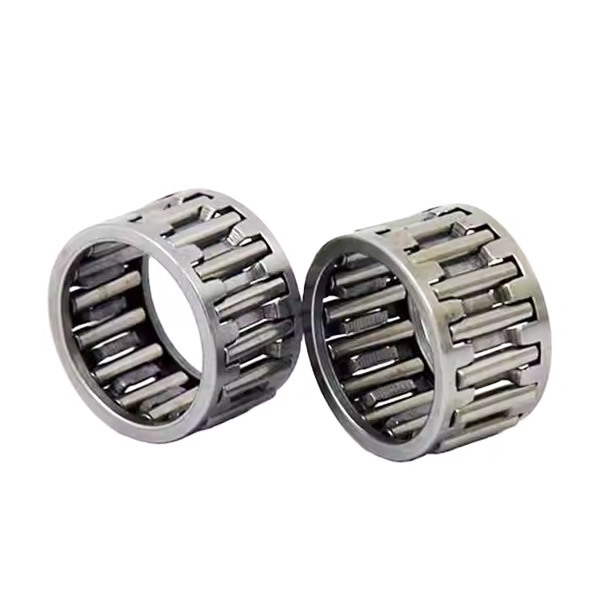
Needle roller bearings consist of cylindrical rollers that are significantly longer than their diameter. This unique design allows them to occupy less radial space compared to traditional bearings. Commonly used in applications where space is limited, needle roller bearings excel in supporting radial loads while minimizing friction. They are available in different configurations, including drawn cup, caged, and full complement types, each tailored for specific applications.
2.1 Key Components of Needle Roller Bearings
The primary components of needle roller bearings include:
- **Inner Race:** The surface on which the needle rollers roll.
- **Outer Race:** The housing that retains the needle rollers.
- **Needle Rollers:** The elongated cylindrical elements that facilitate motion.
2.2 How Needle Roller Bearings Differ from Other Bearings
Unlike ball bearings, which use spherical elements, needle roller bearings offer greater surface contact with the races, allowing for improved load distribution. The extended contact area reduces stress on individual rollers, contributing to a longer lifespan for the bearing and the equipment as a whole.
3. Benefits of Needle Roller Bearings in Industrial Applications
Choosing needle roller bearings for industrial equipment comes with several advantages that can significantly impact performance and durability:
3.1 Increased Load Capacity
Needle roller bearings can handle higher load capacities compared to traditional bearings due to their larger contact area. This feature is particularly beneficial in heavy-duty machinery, where load-bearing capabilities are critical.
3.2 Reduced Friction and Heat Generation
With a design that minimizes surface contact, needle roller bearings experience less friction, resulting in reduced heat generation. Lower operational temperatures lead to less wear on components and contribute to a longer equipment lifespan.
3.3 Space Efficiency
The compact design of needle roller bearings allows for installation in tight spaces where conventional bearings may not fit. This functionality is essential for modern machinery that prioritizes space-saving designs without compromising performance.
3.4 Versatility in Applications
Needle roller bearings are highly versatile and can be used in various applications, from automotive to aerospace. Their adaptability makes them suitable for a wide range of machinery, including gearboxes, electric motors, and hydraulic systems.
4. How Needle Roller Bearings Work to Enhance Lifespan
Understanding the mechanics of needle roller bearings is essential for appreciating their role in extending equipment lifespan.
4.1 Load Distribution
When a radial load is applied, the needle rollers distribute the load evenly across the bearing surface. This even distribution reduces the risk of localized stress points that can lead to premature failure and costly downtimes.
4.2 Lubrication and Maintenance
Proper lubrication is crucial for the effective operation of needle roller bearings. The right lubricant minimizes friction and prevents wear, ensuring smooth operation and longer service life. Regular maintenance routines, including lubrication checks, can significantly impact the bearing's performance and durability.
5. Applications of Needle Roller Bearings in Equipment
Needle roller bearings find applications across various industries, enhancing the performance and longevity of equipment.
5.1 Automotive Industry
In vehicles, needle roller bearings are commonly used in transmissions and engine components. Their ability to handle high loads and operate efficiently under varying speeds makes them essential for reliable automotive performance.
5.2 Manufacturing Equipment
In manufacturing, needle roller bearings are used in conveyors, robotic arms, and CNC machines. The reduced friction and increased load capacity translate to improved productivity and lower energy consumption.
5.3 Aerospace Applications
Aerospace systems demand precision and reliability. Needle roller bearings are used in critical components such as landing gear and engine assemblies, where performance and safety are paramount.
6. Maintenance and Care for Optimal Performance
To maximize the lifespan of needle roller bearings, proper maintenance is essential. Implementing a regular maintenance schedule can prevent wear and ensure optimal operating conditions.
6.1 Regular Inspections
Conducting routine inspections allows for early detection of any issues, such as misalignment or lubrication failure. This proactive approach helps prevent costly repairs and equipment downtime.
6.2 Lubrication Best Practices
Using the correct lubricant and adhering to recommended lubrication intervals is vital. Over-lubricating or under-lubricating can lead to reduced performance and increased wear.
7. Common Issues with Needle Roller Bearings and Solutions
Despite their many benefits, needle roller bearings can face issues that may affect performance. Recognizing these problems early can help mitigate damage.
7.1 Wear and Tear
Over time, needle rollers can experience wear due to prolonged exposure to high loads. Regular inspections and timely replacements are crucial in preventing further damage.
7.2 Contamination
Contaminants such as dirt and moisture can compromise bearing performance. Using proper seals and operating in clean environments can minimize the risk of contamination.
7.3 Misalignment
Improper installation can lead to misalignment, causing uneven wear and potential failure. Ensuring accurate installation is vital for maintaining bearing integrity.
8. Conclusion
Needle roller bearings play a crucial role in enhancing the lifespan of industrial equipment. Their unique design, coupled with numerous benefits such as increased load capacity, reduced friction, and space efficiency, makes them an ideal choice for various applications. By understanding their mechanics and implementing proper maintenance practices, businesses can significantly improve the performance and longevity of their machinery. Investing in needle roller bearings is not just a choice; it's a strategic decision that pays off in the long run.
9. Frequently Asked Questions
9.1 What industries benefit most from needle roller bearings?
Industries such as automotive, manufacturing, and aerospace significantly benefit from needle roller bearings due to their high load capacity and reduced friction.
9.2 How often should needle roller bearings be lubricated?
The lubrication frequency depends on the operating conditions and manufacturer recommendations. Regular checks and maintenance are essential to ensure optimal performance.
9.3 Can needle roller bearings be used in high-temperature applications?
Yes, needle roller bearings can be designed to withstand high temperatures, but selecting the right material and lubrication is critical.
9.4 What are the signs of wear in needle roller bearings?
Common signs of wear include unusual noises, increased operating temperatures, and reduced efficiency. Regular inspections can help identify these issues early.
9.5 Are needle roller bearings suitable for all types of machinery?
While needle roller bearings are versatile, they may not be suitable for every application. It's essential to consult with a bearing expert to determine the best option for specific machinery requirements.


10% DISCOUNT FOR NEW CUSTOMERS

WhatsApp:+8613211157555
Tel: +8613211157555
Address:Room 1106, 11th Floor, No. 23, Fengshan West Road, Jinbang Community, Daliang Street, Shunde District, Foshan City, Guangdong Province
Copyright 2025 Schaeffler (Guangdong) Transmission Technology Co., Ltd. SEO Business license