06
2026
-
03
A Comprehensive Exploration of Angular Contact Ball Bearings: Design, Functionality, and Applications
A Comprehensive Exploration of Angular Contact Ball Bearings Table of Contents 1. Introduction to Angular Contact Ball Bearings 2. Design Features of Angular Contact Ball Bearings 3. Functionality of Angular Contact Ball Bearings 4. Applications of Angular Contact Ball Bearings in Industry 5. Advantages of Using Angular Contact Ball Bearings 6. Installation and Maintenance
A Comprehensive Exploration of Angular Contact Ball Bearings
Table of Contents
- 1. Introduction to Angular Contact Ball Bearings
- 2. Design Features of Angular Contact Ball Bearings
- 3. Functionality of Angular Contact Ball Bearings
- 4. Applications of Angular Contact Ball Bearings in Industry
- 5. Advantages of Using Angular Contact Ball Bearings
- 6. Installation and Maintenance Tips for Angular Contact Ball Bearings
- 7. Emerging Trends in Angular Contact Ball Bearings
- 8. FAQs about Angular Contact Ball Bearings
- 9. Conclusion
1. Introduction to Angular Contact Ball Bearings
Angular Contact Ball Bearings are essential components in various mechanical systems, providing high precision and reliability. Designed to accommodate both radial and axial loads, these bearings play a crucial role in optimizing the performance of machinery. In this article, we delve into the intricate design and functionality of Angular Contact Ball Bearings, highlighting their applications across different sectors.
2. Design Features of Angular Contact Ball Bearings
2.1 Basic Structure and Components
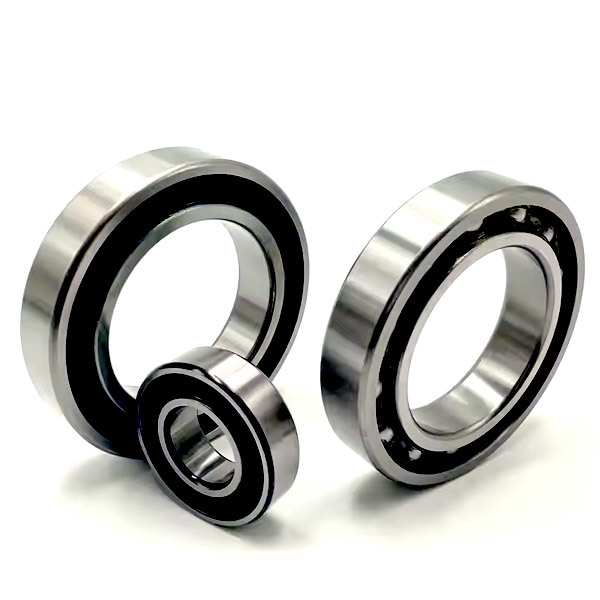
At the core of Angular Contact Ball Bearings lies a unique design that distinguishes them from other bearing types. They consist of inner and outer rings, a series of balls, and a cage that holds the balls in place. The angle at which the balls contact the raceway is critical; it allows these bearings to handle combined loads effectively.
2.2 Contact Angle Specifications
The **contact angle** is a pivotal aspect of Angular Contact Ball Bearings. Typically ranging from 15 to 40 degrees, this angle defines the bearing's capability to manage axial loads. A higher contact angle allows for greater axial load capacity but may reduce the radial load capacity.
2.3 Material and Manufacturing Techniques
The materials used in Angular Contact Ball Bearings heavily influence their performance. High-quality **steel** or **ceramic** materials are preferred for their durability and resistance to wear. Advanced manufacturing techniques ensure precise dimensions and surface finishes, which are essential for minimizing friction and enhancing longevity.
3. Functionality of Angular Contact Ball Bearings
Angular Contact Ball Bearings function by allowing the balls to roll along the raceways, facilitating smooth rotation with minimal friction. This design enables them to support both radial and axial loads, making them ideal for applications where space is limited.
3.1 Load Distribution
One of the key functionalities of Angular Contact Ball Bearings is their ability to distribute loads efficiently. When a load is applied, the contact angle allows the balls to bear the load at a specific point, which helps in reducing stress on the bearing. This characteristic is crucial in applications requiring precision and stability.
3.2 Speed and Performance
Another significant advantage of Angular Contact Ball Bearings is their performance at high speeds. Their design minimizes friction, allowing for smoother operation even under heavy loads. This makes them an ideal choice for high-speed applications in various industries, including aerospace and automotive.
4. Applications of Angular Contact Ball Bearings in Industry
Angular Contact Ball Bearings are widely utilized across numerous sectors due to their versatility. Here are some prominent applications:
4.1 Aerospace Industry
In the aerospace sector, Angular Contact Ball Bearings are employed in various aircraft components, including engines and landing gear. Their ability to withstand extreme conditions while providing precise control is invaluable in this industry.
4.2 Automotive Sector
The automotive industry extensively uses Angular Contact Ball Bearings in applications such as wheel hubs and transmission systems. Their reliable performance ensures safety and efficiency in vehicle operations.
4.3 Industrial Machinery
Angular Contact Ball Bearings are essential in industrial machinery where precision and reliability are paramount. They are commonly found in CNC machines, conveyor systems, and robotics.
5. Advantages of Using Angular Contact Ball Bearings
Choosing Angular Contact Ball Bearings comes with several advantages that enhance the performance of machinery:
5.1 High Load Capacity
The unique design of Angular Contact Ball Bearings allows them to handle both radial and axial loads simultaneously, providing a higher load capacity than traditional bearings.
5.2 Reduced Friction
With their precise design and quality materials, Angular Contact Ball Bearings offer reduced friction during operation. This not only improves efficiency but also extends the lifespan of the bearing itself.
5.3 Versatility
Angular Contact Ball Bearings are versatile and can be used in various applications across different industries, making them a popular choice for manufacturers.
6. Installation and Maintenance Tips for Angular Contact Ball Bearings
Proper installation and maintenance are crucial for ensuring the longevity and performance of Angular Contact Ball Bearings.
6.1 Installation Procedures
When installing Angular Contact Ball Bearings, it is essential to follow strict procedures to avoid damage. Ensure that the bearing surfaces are clean and free from debris. Use appropriate tools to press the bearings into place, applying even pressure to prevent distortion.
6.2 Maintenance Best Practices
Regular maintenance is vital for the longevity of Angular Contact Ball Bearings. Implement a lubrication schedule based on the manufacturer's recommendations. Inspect the bearings periodically for signs of wear or damage, and replace them as necessary.
7. Emerging Trends in Angular Contact Ball Bearings
As technology evolves, so do the design and manufacturing processes for Angular Contact Ball Bearings. Emerging trends include:
7.1 Use of Advanced Materials
The development of advanced materials, such as high-performance polymers and ceramics, is gaining traction. These materials enhance the performance and durability of Angular Contact Ball Bearings, especially in extreme conditions.
7.2 Innovations in Design
Innovative design techniques, such as computer-aided design (CAD) and simulation, are being employed to optimize bearing performance. These advancements allow manufacturers to create bearings that meet specific operational requirements more efficiently.
8. FAQs about Angular Contact Ball Bearings
8.1 What are Angular Contact Ball Bearings?
Angular Contact Ball Bearings are designed to support both radial and axial loads, featuring a contact angle that allows for efficient load distribution.
8.2 How do you determine the right contact angle for a bearing?
The ideal contact angle depends on the specific application and load conditions. Higher angles provide greater axial load capacity but may reduce radial load capacity.
8.3 What are the common signs of Angular Contact Ball Bearing failure?
Common signs include excessive noise, vibrations, and overheating. Regular inspection can help identify these issues early.
8.4 How often should Angular Contact Ball Bearings be lubricated?
Lubrication frequency depends on the application and operating conditions. Always refer to the manufacturer’s guidelines for best practices.
8.5 Can Angular Contact Ball Bearings be used in high-speed applications?
Yes, these bearings are designed to perform efficiently at high speeds, making them suitable for various high-speed applications in different industries.
9. Conclusion
Angular Contact Ball Bearings are paramount in modern engineering, offering unmatched precision and reliability across various applications. Their unique design, functionality, and numerous advantages make them a go-to solution for manufacturers worldwide. As technology advances, the potential for further innovations in this essential component continues to expand, promising even greater efficiency and performance in the future. Understanding their design and functionality not only aids in choosing the right bearing for specific applications but also underscores the importance of proper installation and maintenance for optimal performance.

10% DISCOUNT FOR NEW CUSTOMERS

WhatsApp:+8613211157555
Tel: +8613211157555
Address:Room 1106, 11th Floor, No. 23, Fengshan West Road, Jinbang Community, Daliang Street, Shunde District, Foshan City, Guangdong Province
Copyright 2025 Schaeffler (Guangdong) Transmission Technology Co., Ltd. SEO Business license