22
2026
-
09
Essential Maintenance Tips for Thrust Roller Bearings in Industrial Settings
Essential Maintenance Tips for Thrust Roller Bearings in Industrial Settings Table of Contents Understanding Thrust Roller Bearings Importance of Proper Maintenance Key Maintenance Tips for Thrust Roller Bearings Regular Inspections Lubrication Practices Contamination Control Alignment and Installation Identifying S
Essential Maintenance Tips for Thrust Roller Bearings in Industrial Settings
Table of Contents
- Understanding Thrust Roller Bearings
- Importance of Proper Maintenance
- Key Maintenance Tips for Thrust Roller Bearings
- Identifying Signs of Wear and Tear
- Choosing the Right Bearing for Your Application
- Frequent Issues and Solutions
- Frequently Asked Questions
- Conclusion
Understanding Thrust Roller Bearings
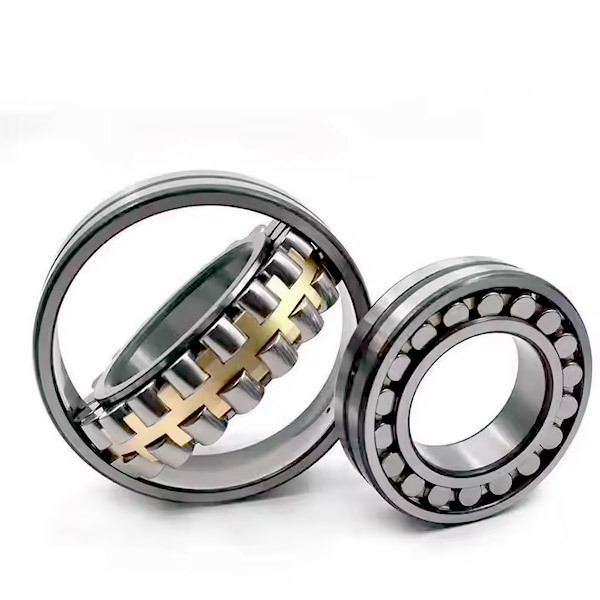
Thrust roller bearings are crucial components in various industrial machinery, designed to support axial loads while maintaining minimal friction. These bearings consist of cylindrical rollers and are particularly effective in applications that require high load capacities and reliable performance under extreme conditions. Understanding their structure and function is the first step toward ensuring their longevity and efficiency.
Importance of Proper Maintenance
Proper maintenance of thrust roller bearings is critical for several reasons. First, it directly impacts the reliability and efficiency of machinery, reducing downtime and increasing productivity. Second, well-maintained bearings can significantly extend their lifespan, translating into cost savings over time. Lastly, regular maintenance helps to prevent catastrophic failures that could lead to costly repairs or even injury in an industrial setting.
Key Maintenance Tips for Thrust Roller Bearings
Maintaining thrust roller bearings involves several best practices tailored to enhance their functionality and lifespan. Here, we cover the key maintenance tips you should implement.
Regular Inspections
Conducting regular inspections is essential for detecting potential issues before they escalate. During inspections, pay close attention to:
- **Visual Checks**: Look for signs of wear, corrosion, or damage.
- **Temperature Monitoring**: Elevated temperatures can indicate excessive friction or inadequate lubrication.
- **Noise Assessment**: Unusual noises during operation can signal a problem.
Establishing a routine inspection schedule will help ensure any anomalies are caught early, allowing for timely interventions.
Lubrication Practices
Proper lubrication is vital for the smooth operation of thrust roller bearings. Here are some tips for effective lubrication:
- **Choose the Right Lubricant**: Ensure you use a lubricant that matches the specifications outlined by the bearing manufacturer.
- **Establish a Lubrication Schedule**: Regularly scheduled lubrication boosts efficiency and minimizes wear. Depending on the application, this could range from weekly to monthly intervals.
- **Avoid Over-lubrication**: Excess grease can lead to increased pressure and heat generation within the bearing.
Remember that the goal is to maintain a thin film of lubricant to reduce friction while preventing contaminants from entering the bearing.
Contamination Control
Contaminants such as dirt, dust, and moisture can severely damage thrust roller bearings. Implementing effective contamination control measures can prolong the life of your bearings. Here’s how to do it:
- **Seal Integrity**: Regularly check the integrity of seals and gaskets to prevent contaminants from entering.
- **Clean Work Environment**: Maintain a clean workspace to minimize the introduction of foreign particles.
- **Use Filters**: Install filters on lubrication systems to capture particulates before they reach the bearings.
By focusing on contamination control, you can significantly reduce the risk of bearing failure.
Alignment and Installation
Proper installation and alignment of thrust roller bearings are crucial for optimal performance. Misalignment can lead to uneven wear and premature failure. Pay close attention to the following:
- **Use Precision Tools**: Ensure that tools used for installation are calibrated and designed for accurate alignment.
- **Follow Manufacturer Guidelines**: Adhere strictly to the installation instructions provided by the manufacturer to ensure that all components are fitted correctly.
- **Conduct Post-Installation Checks**: After installation, recheck alignment and make any necessary adjustments before starting operations.
Identifying Signs of Wear and Tear
Recognizing the early signs of wear is integral to maintaining thrust roller bearings effectively. Here are some common indicators:
- **Vibration**: Increased vibration levels can suggest misalignment or wear.
- **Abnormal Noise**: Grinding or rattling sounds during operation can indicate internal damage.
- **Temperature Fluctuations**: Consistent high temperatures may signal insufficient lubrication or bearing failure.
Routine monitoring of these signs can help in taking corrective actions before severe damage occurs.
Choosing the Right Bearing for Your Application
Selecting the appropriate thrust roller bearing is pivotal for achieving optimal performance. Factors to consider include:
- **Load Capacity**: Ensure the bearing can handle the axial loads required for your application.
- **Speed**: Choose bearings rated for the speeds at which your machinery operates.
- **Operating Environment**: Consider factors such as temperature, humidity, and exposure to contaminants.
Investing time in selecting the right bearing can prevent costly failures and downtime in the long run.
Frequent Issues and Solutions
Understanding common issues that arise with thrust roller bearings can facilitate timely interventions. Here are several frequent problems and their solutions:
- **Issue 1: Overheating**
**Solution**: Check lubrication levels and ensure there is no contamination.
- **Issue 2: Excessive Vibration**
**Solution**: Inspect for misalignment and wear. Adjust alignment as needed.
- **Issue 3: Lubrication Failure**
**Solution**: Regularly monitor lubrication schedules and replace oils or greases according to the manufacturer’s recommendations.
By identifying and addressing these issues promptly, you will maintain optimal performance in your industrial applications.
Frequently Asked Questions
1. How often should thrust roller bearings be inspected?
We recommend inspections at least once a month, with more frequent checks in high-load or high-speed applications.
2. What is the best lubricant for thrust roller bearings?
The best lubricant depends on the specific application and manufacturer's recommendations. Consult the bearing's technical specifications for guidance.
3. Can I reuse thrust roller bearings after maintenance?
Reusing bearings is possible if they are in good condition. However, it is crucial to inspect them thoroughly for signs of damage or wear.
4. What temperature range is acceptable for thrust roller bearings?
Typically, an operating temperature range of -20°C to 120°C (-4°F to 248°F) is acceptable, but always refer to manufacturer guidelines for specifics.
5. What are the signs of bearing failure?
Common signs include abnormal noise, excessive vibration, and temperature spikes. If you notice any of these signs, conduct an immediate inspection.
Conclusion
In conclusion, maintaining thrust roller bearings in industrial settings requires a proactive approach that includes regular inspections, proper lubrication practices, and effective contamination control. By understanding the unique characteristics of these bearings and implementing the maintenance tips outlined above, you can enhance their performance and longevity, thus ensuring the reliability of your machinery. Remember, taking the time to prioritize proper maintenance will lead to significant cost savings and operational efficiency in the long run.

10% DISCOUNT FOR NEW CUSTOMERS

WhatsApp:+8613211157555
Tel: +8613211157555
Address:Room 1106, 11th Floor, No. 23, Fengshan West Road, Jinbang Community, Daliang Street, Shunde District, Foshan City, Guangdong Province
Copyright 2025 Schaeffler (Guangdong) Transmission Technology Co., Ltd. SEO Business license