14
2026
-
09
Deep Groove Ball Bearings vs. Other Bearing Types: What You Need to Know
Deep Groove Ball Bearings vs. Other Bearing Types: What You Need to Know When it comes to industrial machinery, bearings play a crucial role in ensuring smooth and efficient operation. Among various bearing types, **deep groove ball bearings** stand out for their versatility and performance. In this article, we will delve into the intricacies of deep groove ball bearings, comparing them with other
Deep Groove Ball Bearings vs. Other Bearing Types: What You Need to Know
When it comes to industrial machinery, bearings play a crucial role in ensuring smooth and efficient operation. Among various bearing types, **deep groove ball bearings** stand out for their versatility and performance. In this article, we will delve into the intricacies of deep groove ball bearings, comparing them with other bearing types to help you understand which is the best fit for your specific applications.
Table of Contents
- 1. Introduction to Bearings
- 2. What Are Deep Groove Ball Bearings?
- 3. Working Principle of Deep Groove Ball Bearings
- 4. Advantages of Deep Groove Ball Bearings
- 5. Common Applications of Deep Groove Ball Bearings
- 6. Comparison with Other Bearing Types
- 7. Limitations of Deep Groove Ball Bearings
- 8. Maintaining Deep Groove Ball Bearings
- 9. Conclusion
- 10. FAQs
1. Introduction to Bearings
Bearings are mechanical components designed to reduce friction between moving parts in various machinery. They enable smooth operation by supporting rotational or linear movements. Understanding the different types of bearings is essential for selecting the right one for your application. Among these, deep groove ball bearings are widely used due to their unique structure and benefits.
2. What Are Deep Groove Ball Bearings?
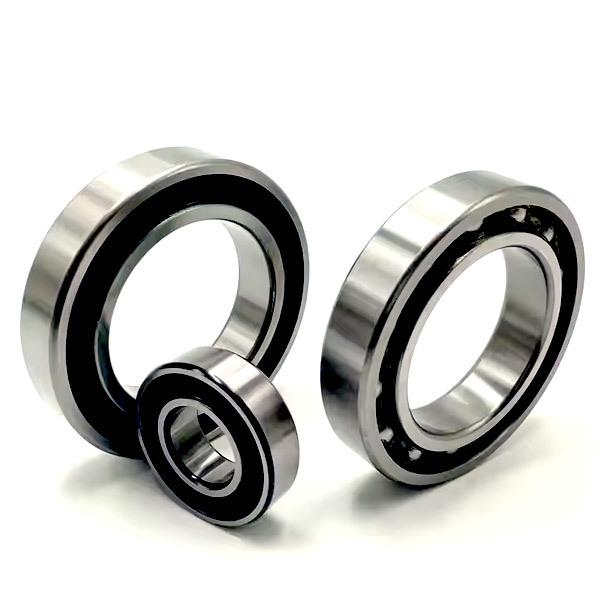
**Deep groove ball bearings** are a type of rolling element bearing characterized by their deep, uninterrupted raceway grooves. This design allows the balls to roll smoothly within the races, accommodating both radial and axial loads. These bearings come in a variety of sizes and can be found in both open and sealed configurations. The deep groove design not only enhances load-carrying capacity but also increases the bearing's overall durability.
Types of Deep Groove Ball Bearings
Deep groove ball bearings can be classified into two main types:
- Single-row deep groove ball bearings: These are the most common type, designed to accommodate radial loads and limited axial loads in one direction.
- Double-row deep groove ball bearings: These bearings have two rows of balls, enabling them to handle heavier loads and offer increased stability.
3. Working Principle of Deep Groove Ball Bearings
The **working principle** of deep groove ball bearings revolves around the interaction between the balls and the raceways. As the outer race rotates, the balls roll freely within the grooves, reducing friction and allowing for smooth movement. The design permits the bearing to support both radial and axial loads, making it a preferred choice in various applications.
4. Advantages of Deep Groove Ball Bearings
Deep groove ball bearings offer numerous advantages that contribute to their widespread use in industries:
- Versatility: They can accommodate both radial and axial loads, making them suitable for a wide range of applications.
- Durability: The deep groove design allows for better load distribution, enhancing the life expectancy of the bearing.
- Low Noise and Vibration: These bearings operate quietly, reducing noise pollution in machinery.
- Easy Installation: Their design allows for straightforward installation, reducing downtime during maintenance.
- Cost-Effectiveness: Deep groove ball bearings are typically more affordable than other types of bearings, making them an attractive choice for many applications.
5. Common Applications of Deep Groove Ball Bearings
Deep groove ball bearings are found in a wide array of applications across various industries. Some common uses include:
- Electric Motors: They are widely used in electric motors due to their ability to handle both radial and axial loads efficiently.
- Automotive Applications: In vehicles, deep groove ball bearings are used in wheel hubs, gearboxes, and transmission systems.
- Industrial Machinery: These bearings are essential in conveyor systems, pumps, and manufacturing equipment.
- Household Appliances: They can be found in appliances like washing machines, fans, and refrigerators.
6. Comparison with Other Bearing Types
Understanding how deep groove ball bearings compare to other bearing types is crucial for selecting the right one for your application. Here, we will look at the differences between deep groove ball bearings and other common types:
Vs. Angular Contact Ball Bearings
Angular contact ball bearings are designed to handle higher axial loads compared to deep groove ball bearings. They have a contact angle that allows them to support higher speeds but are more sensitive to misalignment. This makes deep groove ball bearings preferable for applications with less axial load.
Vs. Tapered Roller Bearings
Tapered roller bearings are ideal for heavy radial and axial loads but require more precise alignment. Deep groove ball bearings, on the other hand, can tolerate misalignment and are easier to install, making them suitable for general applications.
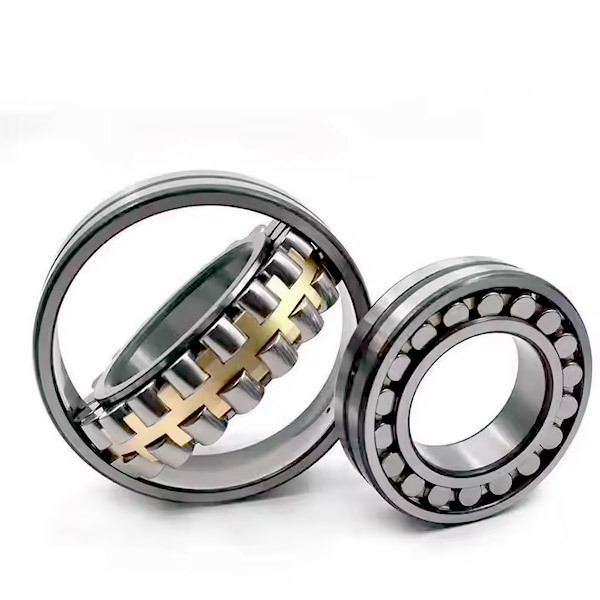
Vs. Spherical Roller Bearings
Spherical roller bearings can accommodate misalignment better than deep groove ball bearings, thanks to their self-aligning design. However, they are bulkier and often more expensive, which makes deep groove ball bearings a more practical choice for many standard applications.
7. Limitations of Deep Groove Ball Bearings
While deep groove ball bearings are versatile and reliable, they do have some limitations:
- Load Capacity: They are not suited for extremely heavy loads compared to tapered roller bearings.
- Speed Limitations: For high-speed applications, specialized bearings may be necessary.
- Temperature Sensitivity: High temperatures can affect the performance of lubricants used in deep groove ball bearings.
8. Maintaining Deep Groove Ball Bearings
Proper maintenance is essential to ensure the longevity and performance of deep groove ball bearings. Here are some best practices:
- Regular Lubrication: Ensure that the bearings are adequately lubricated to reduce friction and wear. Use the appropriate type of lubricant based on your operating conditions.
- Inspect for Wear: Regularly inspect bearings for signs of wear or damage, such as cracking or pitting.
- Keep Them Clean: Contamination can lead to premature failure, so keep the bearings clean and free from dust and debris.
9. Conclusion
Deep groove ball bearings are a versatile and reliable choice for various applications, offering unique advantages over other bearing types. Their ability to accommodate both radial and axial loads, combined with their durability and cost-effectiveness, makes them a popular option in many industries. However, it's essential to understand their limitations and best maintenance practices to optimize their performance and lifespan. By considering the specific needs of your application, you can make an informed decision that will enhance the efficiency of your machinery.
10. FAQs
1. What is the main advantage of deep groove ball bearings?
The primary advantage of deep groove ball bearings is their ability to handle both radial and axial loads, making them suitable for a wide range of applications.
2. Can deep groove ball bearings be used in high-speed applications?
While deep groove ball bearings can handle moderate speeds, they may not be the best choice for extremely high-speed applications where specialized bearings are preferred.
3. How often should deep groove ball bearings be lubricated?
Lubrication frequency depends on the operating conditions, but generally, it is advisable to check and relubricate every few months or after a specific number of operating hours.
4. What are the signs of failure in deep groove ball bearings?
Signs of failure may include unusual noises, vibrations, overheating, or visible wear and damage on the bearing surfaces.
5. Are deep groove ball bearings easy to install?
Yes, deep groove ball bearings are relatively easy to install, making them a practical choice for many applications.
With this comprehensive guide, you now have a clear understanding of deep groove ball bearings and how they compare to other bearing types. This knowledge will empower you to make informed decisions that enhance the performance and reliability of your machinery.

10% DISCOUNT FOR NEW CUSTOMERS

WhatsApp:+8613211157555
Tel: +8613211157555
Address:Room 1106, 11th Floor, No. 23, Fengshan West Road, Jinbang Community, Daliang Street, Shunde District, Foshan City, Guangdong Province
Copyright 2025 Schaeffler (Guangdong) Transmission Technology Co., Ltd. SEO Business license