11
2026
-
09
A Comprehensive Guide to Cylindrical Roller Bearings: Applications and Benefits
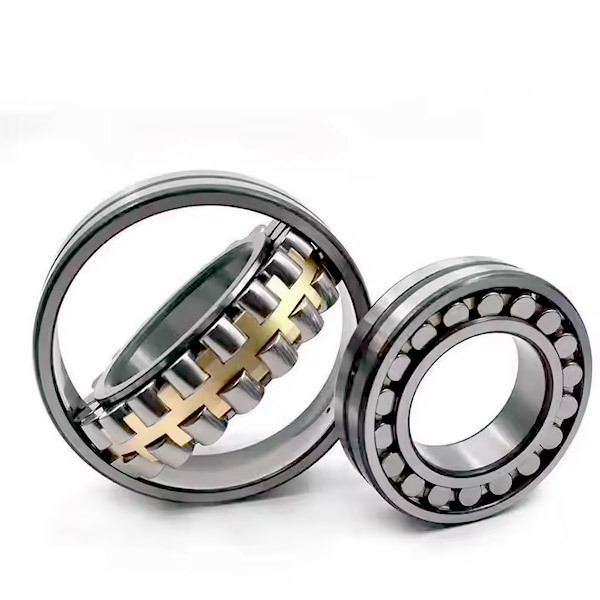
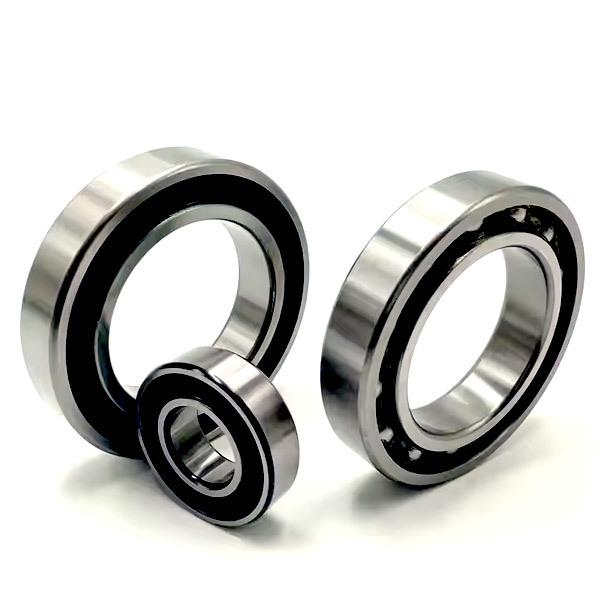
Cylindrical roller bearings are a type of rolling element bearing that utilizes cylindrical rollers to maintain the separation between the bearing races. This design allows for a greater surface area of contact compared to ball bearings, making them suitable for high-load applications. Their ability to handle radial loads effectively distinguishes them from other types of bearings, enabling their
One of the primary advantages of cylindrical roller bearings is their high load-carrying capacity. Because the rollers are arranged in a linear configuration, they distribute the load over a larger area, reducing the stress on individual components. This makes them ideal for heavy machinery and equipment, such as in the construction, mining, and manufacturing sectors where heavy loads and demanding conditions are commonplace.
Cylindrical roller bearings come in several designs, including single-row, double-row, and multi-row configurations. The single-row variety is most common and is typically used in applications where space is limited. Double-row designs can accommodate higher radial loads and are often employed in applications such as gearboxes and motors. Multi-row configurations, while less common, can provide even greater load capacity and are used in specialized applications.
Another significant benefit of cylindrical roller bearings is their ability to manage high speeds. Their design minimizes friction and heat generation, allowing for smoother operation even at elevated speeds. This capability is crucial in industries such as automotive and aerospace, where precision and efficiency are paramount.
When selecting cylindrical roller bearings, it is essential to consider various factors, including load ratings, dimensions, and operational conditions. Proper lubrication is also critical to ensure optimal performance and longevity. Different types of lubricants, such as grease and oil, can be used depending on the specific application requirements and environmental conditions.
In addition to their mechanical advantages, cylindrical roller bearings also contribute to overall equipment reliability. By reducing friction and wear, they help extend the life of machinery and reduce maintenance costs over time. This reliability is key in industries where downtime can lead to significant operational losses.
In conclusion, cylindrical roller bearings play a vital role in the efficiency and performance of industrial equipment. Their ability to handle high loads, manage speeds, and enhance reliability makes them a preferred choice in many applications. Understanding their features and benefits can help professionals make informed decisions when selecting the right bearings for their specific needs. Emphasizing proper installation, lubrication, and maintenance will further ensure optimal performance and longevity of these essential components in industrial machinery.

10% DISCOUNT FOR NEW CUSTOMERS

WhatsApp:+8613211157555
Tel: +8613211157555
Address:Room 1106, 11th Floor, No. 23, Fengshan West Road, Jinbang Community, Daliang Street, Shunde District, Foshan City, Guangdong Province
Copyright 2025 Schaeffler (Guangdong) Transmission Technology Co., Ltd. SEO Business license