10
2026
-
09
Self-Aligning Ball Bearings: Innovative Solutions for Complex Applications
Self-Aligning Ball Bearings: Innovative Solutions for Complex Applications Table of Contents 1. Introduction to Self-Aligning Ball Bearings 2. Design and Structure of Self-Aligning Ball Bearings 3. Working Principle of Self-Aligning Ball Bearings 4. Advantages of Using Self-Aligning Ball Bearings 5. Applications of Self-Aligning Ball Bearings in Various Industries 6. M
Self-Aligning Ball Bearings: Innovative Solutions for Complex Applications
Table of Contents
- 1. Introduction to Self-Aligning Ball Bearings
- 2. Design and Structure of Self-Aligning Ball Bearings
- 3. Working Principle of Self-Aligning Ball Bearings
- 4. Advantages of Using Self-Aligning Ball Bearings
- 5. Applications of Self-Aligning Ball Bearings in Various Industries
- 6. Maintenance Tips for Self-Aligning Ball Bearings
- 7. Troubleshooting Common Issues with Self-Aligning Ball Bearings
- 8. Conclusion
- 9. Frequently Asked Questions
1. Introduction to Self-Aligning Ball Bearings
Self-aligning ball bearings are pivotal components in the realm of machinery, designed to accommodate shaft misalignment. These bearings consist of two rows of balls, a common spherical raceway, and an outer ring that enables self-alignment. Their unique design allows them to handle radial loads and moderate axial loads in both directions, making them ideal for various industrial applications. The ability to self-align significantly reduces wear and extends the life of the machinery, thus enhancing operational efficiency.
2. Design and Structure of Self-Aligning Ball Bearings
The design of self-aligning ball bearings is crucial for their performance and reliability.
2.1 Key Components
The main components of self-aligning ball bearings include:
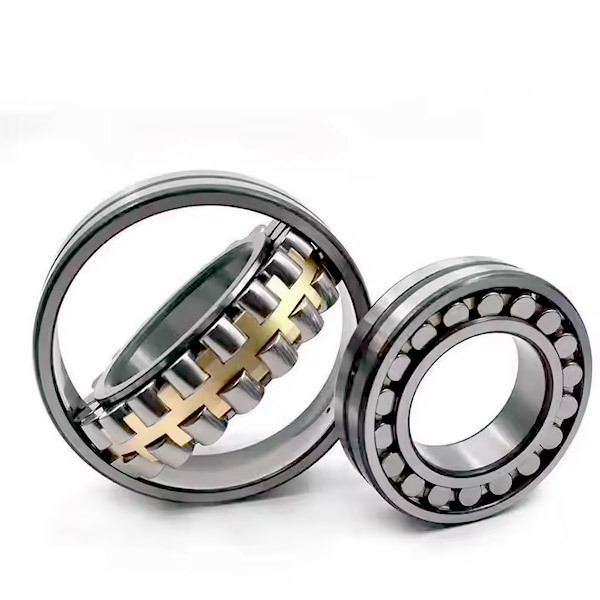
- Outer Ring: The outer ring is spherical, allowing the inner ring and balls to pivot and realign themselves in case of misalignment.
- Inner Ring: The inner ring has a cylindrical shape and houses the rotating shaft.
- Balls: The balls are evenly distributed in two rows, providing smooth movement and load distribution.
- Retaining Rings: These components keep the balls in place and ensure consistent performance under load.
2.2 Material Selection
The materials used in manufacturing self-aligning ball bearings significantly influence their durability and performance. High-quality steel, ceramic, and stainless steel are commonly employed, with advanced coating technologies further enhancing their resistance to wear and corrosion.
3. Working Principle of Self-Aligning Ball Bearings
Understanding the working principle of self-aligning ball bearings is essential for maximizing their potential in complex applications.
3.1 Load Distribution
When weight is applied, the balls rotate within their tracks. The spherical shape of the outer ring allows for an optimal load distribution, which minimizes stress on the bearing surfaces. This results in reduced friction and improved efficiency.
3.2 Misalignment Accommodation
In scenarios where the shaft may experience misalignment—due to manufacturing tolerances, thermal expansion, or installation errors—the self-aligning feature allows the bearing to adjust itself within a certain range. This adaptability is vital in applications where perfect alignment cannot be guaranteed.
4. Advantages of Using Self-Aligning Ball Bearings
Employing self-aligning ball bearings offers several notable advantages:
4.1 Enhanced Performance
Their design significantly reduces friction, leading to smoother operation and prolonged machinery life.
4.2 Reduced Maintenance
With their self-aligning capabilities, these bearings require less frequent adjustments and maintenance, allowing for seamless operation in challenging environments.
4.3 Versatility
Self-aligning ball bearings are suitable for various applications, including automotive, agricultural machinery, and manufacturing equipment, showcasing their versatility in different sectors.
5. Applications of Self-Aligning Ball Bearings in Various Industries
Self-aligning ball bearings find applications in numerous industries, showcasing their adaptability and reliability.
5.1 Automotive Industry
In the automotive sector, these bearings are commonly used in wheel hubs, steering systems, and transmission assemblies. Their ability to handle misalignment improves vehicle performance and safety.
5.2 Agricultural Equipment
Agricultural machinery often faces harsh operating conditions. Self-aligning ball bearings are used in tractors, harvesters, and other equipment, providing durability and reliability.
5.3 Manufacturing and Industrial Applications
In manufacturing, these bearings are employed in conveyor systems, pumps, and electric motors, ensuring smooth operation and reducing downtime.
6. Maintenance Tips for Self-Aligning Ball Bearings
To maximize the lifespan and performance of self-aligning ball bearings, regular maintenance is essential:
6.1 Regular Inspections
Conduct routine inspections to identify signs of wear, damage, or misalignment early on.
6.2 Proper Lubrication
Ensure that bearings are adequately lubricated to minimize friction and heat buildup. Choose the right lubricant based on the operational environment and load requirements.
6.3 Cleanliness
Keep the surrounding area clean to prevent contamination from dust or debris, which can negatively impact bearing performance.
7. Troubleshooting Common Issues with Self-Aligning Ball Bearings
Even with proper maintenance, issues may arise. Here are common problems and their solutions:
7.1 Excessive Noise
If bearings are noisy, it may indicate insufficient lubrication or misalignment. Check lubrication levels and alignment to resolve the issue.
7.2 Overheating
Overheating can result from inadequate lubrication or excessive load. Assess the load conditions and ensure proper lubrication is maintained.
7.3 Vibration
Unusual vibrations may signal wear or misalignment. Regular inspections can help identify and rectify these problems before they escalate.
8. Conclusion
Self-aligning ball bearings represent a critical innovation in the world of industrial equipment and components. Their unique design allows them to accommodate misalignment while providing reliable and efficient performance across various applications. By understanding their structure, working principle, advantages, and maintenance needs, industries can leverage these bearings to enhance operational efficiency and extend machinery lifespan. Investing in high-quality self-aligning ball bearings will undoubtedly lead to significant benefits, ensuring that your machinery performs at its best, even in the most complex applications.
9. Frequently Asked Questions
Q1: What are self-aligning ball bearings made of?
A1: Self-aligning ball bearings are typically made from high-quality steel, ceramic, or stainless steel, often enhanced with coatings to improve wear and corrosion resistance.
Q2: How do I know if my self-aligning ball bearings need replacement?
A2: Signs of wear, such as excessive noise, overheating, or unusual vibrations, may indicate the need for replacement. Regular inspections are essential to monitor bearing health.
Q3: Can self-aligning ball bearings be used in high-speed applications?
A3: Yes, self-aligning ball bearings can be used in high-speed applications, but it is crucial to select the appropriate type based on specific load and speed requirements.
Q4: What is the typical lifespan of self-aligning ball bearings?
A4: The lifespan of self-aligning ball bearings varies based on operating conditions, load, and maintenance practices, but they typically last several years with proper care.
Q5: Are there any special lubricants recommended for self-aligning ball bearings?
A5: The choice of lubricant depends on the operational environment and load specifications. Grease or oil-based lubricants are common, but it's essential to follow manufacturer guidelines for the best results.

10% DISCOUNT FOR NEW CUSTOMERS

WhatsApp:+8613211157555
Tel: +8613211157555
Address:Room 1106, 11th Floor, No. 23, Fengshan West Road, Jinbang Community, Daliang Street, Shunde District, Foshan City, Guangdong Province
Copyright 2025 Schaeffler (Guangdong) Transmission Technology Co., Ltd. SEO Business license