05
2026
-
08
The Future of Self-Aligning Ball Bearings: Trends and Predictions
The Future of Self-Aligning Ball Bearings: Trends and Predictions Table of Contents Introduction to Self-Aligning Ball Bearings Understanding Self-Aligning Ball Bearings Current Trends in Self-Aligning Ball Bearings Technological Advancements Impacting Self-Aligning Ball Bearings Future Predictions for Self-Aligning Ball Bearings Market Analysis and Growth Projections
The Future of Self-Aligning Ball Bearings: Trends and Predictions
Table of Contents
- Introduction to Self-Aligning Ball Bearings
- Understanding Self-Aligning Ball Bearings
- Current Trends in Self-Aligning Ball Bearings
- Technological Advancements Impacting Self-Aligning Ball Bearings
- Future Predictions for Self-Aligning Ball Bearings
- Market Analysis and Growth Projections
- Sustainability in Self-Aligning Ball Bearings
- Challenges and Opportunities in the Industry
- Frequently Asked Questions
- Conclusion
Introduction to Self-Aligning Ball Bearings
Self-aligning ball bearings play a pivotal role in modern machinery, providing essential support and facilitating smooth operations across a multitude of applications. As industries evolve, so too does the demand for bearings that can adapt to changing conditions, which sets the stage for a closer examination of the future trends and predictions surrounding self-aligning ball bearings.
Understanding Self-Aligning Ball Bearings
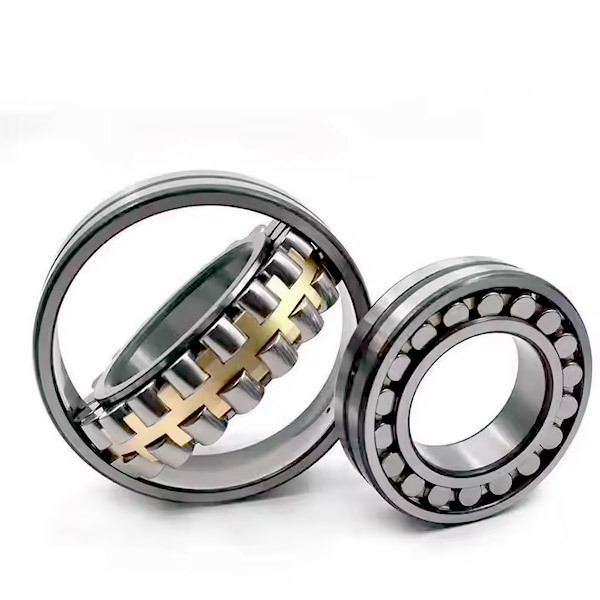
Self-aligning ball bearings are designed with two rows of balls and a common concave raceway in the outer ring. This unique design allows the bearing to self-align, compensating for misalignment and ensuring a consistent performance even under demanding conditions. The ability of these bearings to handle radial and axial loads in both directions makes them invaluable in applications ranging from industrial machinery to automotive systems.
Key Features of Self-Aligning Ball Bearings
- **Self-Alignment Capability:** The self-aligning feature accommodates errors in shaft alignment, significantly extending bearing life.
- **Load Distribution:** The design allows for effective load distribution, enabling the bearing to handle higher loads without failure.
- **Versatility:** These bearings can be utilized in a wide range of machinery and equipment, including conveyors, pumps, and electric motors.
Current Trends in Self-Aligning Ball Bearings
The landscape of self-aligning ball bearings is continuously evolving, driven by advancements in technology and shifts in industry demands. Here are some of the prominent trends shaping the future:
1. Increased Demand for Efficiency
As industries strive to improve efficiency, there is a growing demand for bearings that minimize energy loss and enhance performance. Self-aligning ball bearings are being designed to support this push for efficiency through improved materials and coatings that reduce friction.
2. Integration of Smart Technology
The integration of IoT (Internet of Things) in manufacturing processes is gaining traction, leading to the development of smart self-aligning ball bearings. These bearings can monitor operational conditions, providing real-time data on performance and wear, which facilitates predictive maintenance and reduces downtime.
3. Customization and Flexibility
With the rise of automated manufacturing processes, there is an increased need for customized bearing solutions. Manufacturers are focusing on offering tailored designs that meet specific application requirements, thereby enhancing the performance and longevity of self-aligning ball bearings.
Technological Advancements Impacting Self-Aligning Ball Bearings
Technological advancements are at the forefront of the evolution in self-aligning ball bearings. These innovations are not only enhancing performance but also contributing to sustainability efforts.
1. Advanced Materials
The development of advanced materials, such as ceramic and hybrid composites, is revolutionizing self-aligning ball bearings. These materials provide superior strength-to-weight ratios and resistance to wear, leading to longer service life and reduced maintenance costs.
2. Surface Engineering Techniques
Innovative surface engineering techniques, such as coating and surface modification, are being employed to improve the performance and durability of bearings. Coatings that reduce friction and enhance corrosion resistance are particularly beneficial in harsh operating conditions.
3. Manufacturing Technologies
Additive manufacturing (3D printing) is making a significant impact on the production of self-aligning ball bearings. This technology allows for the creation of complex geometries that traditional manufacturing methods cannot achieve, leading to optimized designs that enhance performance.
Future Predictions for Self-Aligning Ball Bearings
As we look to the future, several predictions can be made regarding the evolution of self-aligning ball bearings.
1. Increased Adoption of Sustainability Practices
The push for environmental sustainability will drive the development of self-aligning ball bearings made from eco-friendly materials and processes. Manufacturers will focus on reducing the carbon footprint associated with production and operation.
2. Rise of Automation and Robotics
As automation and robotics increasingly permeate various industries, the demand for high-performance self-aligning ball bearings will surge. These bearings will be essential in ensuring the reliability and efficiency of automated systems.
3. Enhanced Digital Integration
The future will see a greater emphasis on digital tools that enhance the performance monitoring and analytics of self-aligning ball bearings. This digital integration will facilitate better decision-making and predictive maintenance, leading to improved operational efficiency.
Market Analysis and Growth Projections
The market for self-aligning ball bearings is expected to witness significant growth in the coming years. Several factors are contributing to this upward trajectory.
1. Expanding Industrial Applications
With the continuous expansion of industries such as manufacturing, automotive, and aerospace, the demand for self-aligning ball bearings will increase. Their versatility and reliability make them a preferred choice for various applications.
2. Globalization of Supply Chains
As businesses expand globally, the need for high-quality self-aligning ball bearings that can perform in diverse operating conditions will be paramount. This globalization trend is likely to drive innovation and competition among manufacturers.
3. Investment in R&D
Manufacturers are expected to invest heavily in research and development to innovate and enhance the performance of self-aligning ball bearings. This investment will be crucial in maintaining competitive advantage and meeting evolving customer demands.
Sustainability in Self-Aligning Ball Bearings
Sustainability is becoming a central theme in the production and operation of self-aligning ball bearings. Manufacturers are exploring eco-friendly materials, energy-efficient manufacturing processes, and recycling initiatives to minimize the environmental impact.
1. Eco-Friendly Materials
The use of biodegradable and recyclable materials is gaining traction in the production of self-aligning ball bearings. These materials not only reduce waste but also limit environmental pollution during manufacturing.
2. Energy-Efficient Manufacturing Processes
Manufacturers are implementing energy-efficient technologies and practices in their production processes. This shift not only reduces operational costs but also contributes to a lower carbon footprint.
3. Circular Economy Practices
The adoption of circular economy principles, where materials and products are reused and recycled, is increasingly influencing the self-aligning ball bearing market. This approach promotes sustainability and reduces reliance on virgin resources.
Challenges and Opportunities in the Industry
While the future of self-aligning ball bearings appears promising, several challenges must be addressed to fully capitalize on emerging opportunities.
1. Competition and Pricing Pressures
The competitive landscape is intensifying, with numerous manufacturers vying for market share. This competition can lead to pricing pressures, compelling companies to innovate and find ways to differentiate their products.
2. Technological Adaptation
The rapid pace of technological advancements necessitates that manufacturers stay abreast of new developments and adapt accordingly. This requirement for continuous learning and adaptation can be a challenge for some companies.
3. Regulatory Compliance
As sustainability and environmental concerns take center stage, regulatory compliance becomes increasingly important. Manufacturers must adhere to stricter regulations concerning materials and production processes, which can present logistical challenges.
Frequently Asked Questions
1. What are self-aligning ball bearings used for?
Self-aligning ball bearings are primarily used in applications where misalignment of shafts can occur, such as in conveyor systems, electric motors, and agricultural machinery.
2. How do self-aligning ball bearings differ from regular ball bearings?
Self-aligning ball bearings have a unique design that allows them to adjust to misalignment, whereas regular ball bearings do not possess this capability and are more sensitive to alignment issues.
3. What are the benefits of using self-aligning ball bearings?
The key benefits include improved alignment compensation, higher load capacity, reduced friction, and enhanced durability.
4. Are there any maintenance requirements for self-aligning ball bearings?
While self-aligning ball bearings require less maintenance compared to other types, regular lubrication and inspection are essential to ensure optimal performance.
5. What industries commonly use self-aligning ball bearings?
Self-aligning ball bearings are used across various industries, including automotive, aerospace, manufacturing, and agriculture.
Conclusion
The future of self-aligning ball bearings is bright, marked by significant trends and advancements that promise to reshape the industry. With the integration of smart technology, a focus on sustainability, and continuous innovation, self-aligning ball bearings will play an increasingly critical role in modern machinery. By understanding these trends and predictions, manufacturers and users alike can prepare for a future that prioritizes efficiency, performance, and environmental responsibility. As the demand for reliable and adaptable solutions grows, self-aligning ball bearings will undoubtedly remain at the forefront of industrial equipment and components.

10% DISCOUNT FOR NEW CUSTOMERS

WhatsApp:+8613211157555
Tel: +8613211157555
Address:Room 1106, 11th Floor, No. 23, Fengshan West Road, Jinbang Community, Daliang Street, Shunde District, Foshan City, Guangdong Province
Copyright 2025 Schaeffler (Guangdong) Transmission Technology Co., Ltd. SEO Business license