03
2026
-
04
Tapered Roller Bearings: Engineered for Precision in Motion - The Ultimate Guide
Tapered Roller Bearings: Engineered for Precision in Motion Table of Contents 1. Introduction to Tapered Roller Bearings 2. The Design of Tapered Roller Bearings 3. Functionality and Operation of Tapered Roller Bearings 4. Types of Tapered Roller Bearings 5. Applications of Tapered Roller Bearings in Various Industries 6. Advantages of Using Tapered Roller Bearings 7.
Tapered Roller Bearings: Engineered for Precision in Motion
Table of Contents
- 1. Introduction to Tapered Roller Bearings
- 2. The Design of Tapered Roller Bearings
- 3. Functionality and Operation of Tapered Roller Bearings
- 4. Types of Tapered Roller Bearings
- 5. Applications of Tapered Roller Bearings in Various Industries
- 6. Advantages of Using Tapered Roller Bearings
- 7. Installation and Maintenance of Tapered Roller Bearings
- 8. Frequently Asked Questions
- 9. Conclusion
1. Introduction to Tapered Roller Bearings
Tapered roller bearings are a type of rolling-element bearing that can support both axial and radial loads. Their unique design features tapered rollers arranged in a way that allows for optimal load distribution. This engineering enables them to achieve high performance even under strenuous conditions. With their ability to handle combined loads, tapered roller bearings are integral to contemporary machinery and equipment.
2. The Design of Tapered Roller Bearings
The design of tapered roller bearings is characterized by the following elements:
2.1 Roller and Races
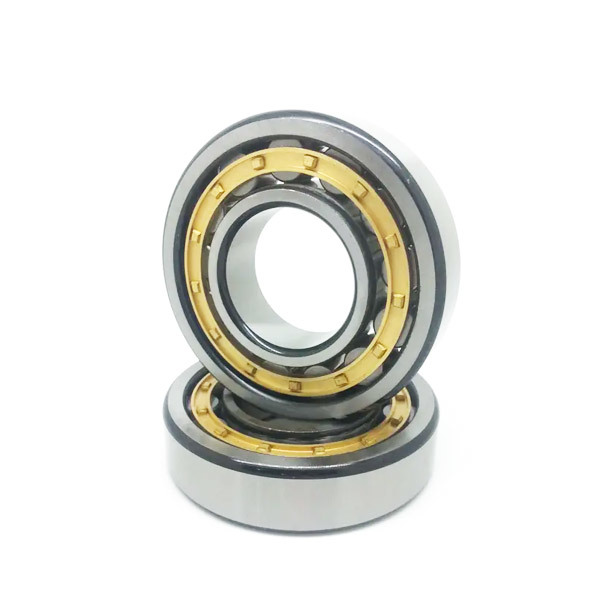
The principal components of a tapered roller bearing are the inner and outer races and the tapered rollers. The rollers are cone-shaped, which allows them to make contact with the races at a specific angle, thus facilitating the distribution of loads.
2.2 Contact Angle
The contact angle plays a crucial role in determining the bearing's load-carrying capacity. A higher contact angle can increase the axial load capacity, making it suitable for various applications where axial loads are present.
2.3 Material Composition
Tapered roller bearings are typically manufactured from high-quality steel or ceramic materials, enhancing their durability and performance. The choice of material significantly impacts the bearing's resistance to wear and fatigue.
3. Functionality and Operation of Tapered Roller Bearings
Tapered roller bearings operate on the principle of rolling motion. When the inner race rotates, the tapered rollers roll along the surface of the races, facilitating smooth and efficient motion.
3.1 Load Distribution
One of the standout features of tapered roller bearings is their ability to distribute loads evenly across the roller surfaces, significantly reducing wear and extending their lifespan. This is particularly important in applications involving heavy loads or shock loading.
3.2 Versatility
These bearings can be used in various configurations, such as single-row, double-row, or four-row arrangements, allowing for flexibility in design and application.
4. Types of Tapered Roller Bearings
There are several types of tapered roller bearings, each designed for specific applications and load requirements:
4.1 Single-Row Tapered Roller Bearings
These are the most common type, suitable for moderate radial loads and axial loads in one direction. They consist of an inner race, outer race, and a set of tapered rollers.
4.2 Double-Row Tapered Roller Bearings
Double-row tapered roller bearings can accommodate both radial and axial loads in two directions, making them ideal for heavy-duty applications.
4.3 Four-Row Tapered Roller Bearings
These bearings are designed for applications with very high load capacities, such as in large machinery or heavy equipment.
5. Applications of Tapered Roller Bearings in Various Industries
Tapered roller bearings find applications across a diverse range of industries, including:
5.1 Automotive Industry
In automotive applications, tapered roller bearings are commonly used in wheel hubs and transmissions, providing essential support and ensuring smooth operation.
5.2 Industrial Machinery
These bearings are crucial in various industrial machines, including conveyor systems, fans, and pumps, where they support heavy loads and high speeds.
5.3 Aerospace Industry
In aerospace applications, tapered roller bearings are employed in landing gear and engine components, where precision and reliability are paramount.
5.4 Construction and Mining Equipment
Heavy machinery used in construction and mining heavily relies on tapered roller bearings for durability and performance under extreme conditions.
6. Advantages of Using Tapered Roller Bearings
The use of tapered roller bearings offers numerous advantages, including:
6.1 High Load Capacity
Their design allows for the handling of high radial and axial loads, making them suitable for demanding applications.
6.2 Enhanced Durability
Manufactured from high-quality materials, tapered roller bearings exhibit excellent wear resistance and longevity.
6.3 Improved Efficiency
By reducing friction through smooth rolling motion, these bearings contribute to overall operational efficiency, leading to lower energy consumption.
6.4 Customizability
Tapered roller bearings can be customized to accommodate specific operational requirements, including size, design, and materials.
7. Installation and Maintenance of Tapered Roller Bearings
Proper installation and maintenance are critical for the longevity and performance of tapered roller bearings.
7.1 Installation Guidelines
- **Ensure proper alignment**: Misalignment can lead to premature failure.
- **Use appropriate tools**: Special tools should be used for fitting and removal to avoid damage.
- **Follow manufacturer's specifications**: Adhere to guidelines to achieve optimal performance.
7.2 Maintenance Tips
- **Regular lubrication**: Utilize the right lubricant to minimize friction and wear.
- **Inspect regularly**: Periodic checks for wear and damage can prevent unexpected downtime.
- **Monitor operating temperatures**: Elevated temperatures may indicate issues that need addressing.
8. Frequently Asked Questions
8.1 What are the primary applications of tapered roller bearings?
Tapered roller bearings are widely used in automotive, industrial machinery, aerospace, and construction equipment.
8.2 How do tapered roller bearings differ from other types of bearings?
Tapered roller bearings can accommodate both radial and axial loads and feature a unique design that provides optimal load distribution.
8.3 What maintenance is required for tapered roller bearings?
Regular lubrication, inspection for wear, and monitoring operating temperatures are essential for maintaining tapered roller bearings.
8.4 Can tapered roller bearings be customized?
Yes, these bearings can be tailored to meet specific operational requirements, including size and design features.
8.5 What materials are commonly used in the manufacturing of tapered roller bearings?
High-quality steel and ceramic materials are typically used, enhancing durability and performance.
9. Conclusion
Tapered roller bearings are essential components in numerous industrial applications, engineered for precision and reliability. Their unique design allows for efficient load management, making them a preferred choice in sectors ranging from automotive to aerospace. Understanding their functionality, types, and advantages can significantly enhance operational efficiency in various machinery. With proper installation and maintenance practices, tapered roller bearings can deliver exceptional performance and longevity, underscoring their importance in modern engineering and manufacturing solutions.


10% DISCOUNT FOR NEW CUSTOMERS

WhatsApp:+8613211157555
Tel: +8613211157555
Address:Room 1106, 11th Floor, No. 23, Fengshan West Road, Jinbang Community, Daliang Street, Shunde District, Foshan City, Guangdong Province
Copyright 2025 Schaeffler (Guangdong) Transmission Technology Co., Ltd. SEO Business license