12
2025
-
12
Linear Bearings vs. Traditional Bearings: Which is Better for Your Needs?
Linear Bearings vs. Traditional Bearings: Which is Better for Your Needs? Introduction to Bearings Bearings play a critical role in various industrial applications, providing essential support and facilitating smooth motion in machines. While traditional bearings have been widely used across industries, **linear bearings** have gained popularity due to their unique features and advantages. In th
Linear Bearings vs. Traditional Bearings: Which is Better for Your Needs?
Introduction to Bearings
Bearings play a critical role in various industrial applications, providing essential support and facilitating smooth motion in machines. While traditional bearings have been widely used across industries, **linear bearings** have gained popularity due to their unique features and advantages. In this article, we will explore the pros and cons of both types of bearings, their applications, and help you determine which is better suited for your specific needs.
What Are Linear Bearings?
Linear bearings are designed to provide smooth, low-friction motion along a straight path. Unlike traditional bearings, which typically allow for rotational movement, linear bearings facilitate linear motion, making them ideal for applications where precision and speed are crucial. These bearings come in various designs, including **ball bearings**, **slide bearings**, and **roller bearings**.
Key Features of Linear Bearings
- **Precision Engineering**: Linear bearings are engineered to offer high precision, ensuring minimal play and accurate movement.
- **Low Friction**: Made from advanced materials, linear bearings significantly reduce friction, resulting in less energy consumption and longer service life.
- **Versatile Applications**: Commonly used in CNC machines, robotics, and automation systems, linear bearings are adaptable to diverse environments.
Understanding Traditional Bearings
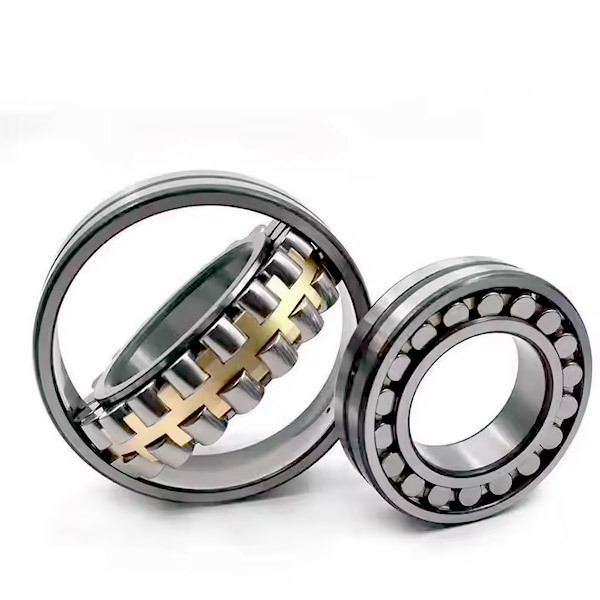
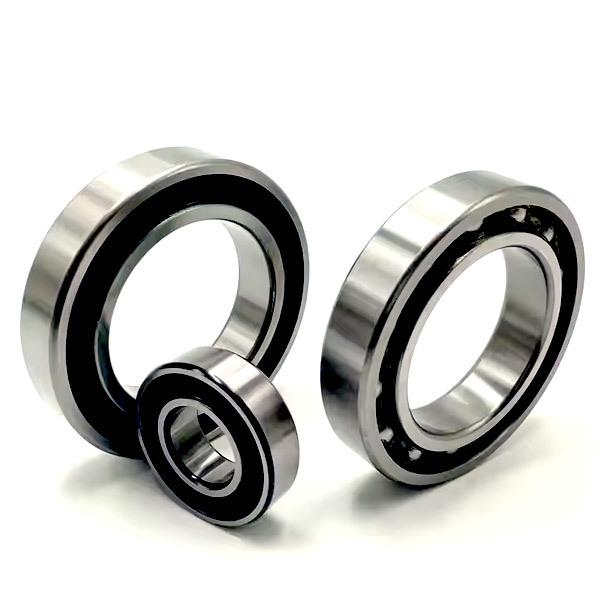
Traditional bearings, including **ball bearings** and **roller bearings**, are primarily designed for rotational motion. These bearings consist of rolling elements that reduce friction between moving parts, allowing machinery to operate smoothly. Traditional bearings are widely used in various applications, from automotive engines to industrial machinery.
Key Features of Traditional Bearings
- **High Load Capacity**: Traditional bearings are known for their ability to handle significant radial and axial loads, making them suitable for heavy-duty applications.
- **Durability**: Manufactured from robust materials, traditional bearings can withstand harsh operating conditions and have a long service life.
- **Cost-Effective**: Traditional bearings are generally more affordable than linear bearings, making them a popular choice for cost-sensitive applications.
Comparing Performance: Linear Bearings vs. Traditional Bearings
1. Motion Type
While traditional bearings excel in rotational motion, linear bearings are purpose-built for straight-line movement. Applications that require precise positioning and minimal friction, such as **3D printing** or **CNC milling**, will benefit from the use of linear bearings.
2. Friction and Wear
Linear bearings are specifically designed to minimize friction, which reduces wear on both the bearing and the shaft. This feature not only extends the lifespan of the machinery but also leads to lower maintenance costs over time. Conversely, traditional bearings may experience higher friction in some applications, which can lead to increased wear and tear.
3. Load Capacity
Traditional bearings typically have a higher load capacity compared to linear bearings, making them suitable for heavy machinery and applications requiring significant force. However, the load capacity of linear bearings can vary based on their design and materials, and some linear bearing configurations can support substantial loads as well.
Application Areas for Linear Bearings and Traditional Bearings
Applications of Linear Bearings
- **3D Printers**: Linear bearings facilitate smooth and precise movement of the print head, ensuring high-quality prints.
- **Robotics**: In robotic arms, linear bearings provide accurate positioning and movement, crucial for tasks requiring precision.
- **CNC Machines**: These machines rely on linear bearings for precise control over cutting tools, which is essential for producing intricate components.
Applications of Traditional Bearings
- **Automotive**: Traditional bearings are extensively used in vehicles for engines, wheels, and other rotating parts, providing durability and performance under heavy loads.
- **Industrial Machinery**: Common in conveyor systems and heavy-duty equipment, traditional bearings support high weights and endure harsh working conditions.
- **Home Appliances**: From washing machines to fans, traditional bearings play an essential role in the performance of everyday household devices.
Cost Considerations: Linear vs. Traditional Bearings
When selecting bearings for your project, cost is a crucial factor. Traditional bearings often present a more budget-friendly option, making them attractive for applications with tight budgets. However, investing in linear bearings may yield savings in the long run due to their efficiency and reduced maintenance requirements.
Factors Affecting Cost
- **Material Quality**: Higher-quality materials typically result in better performance and longer life but may increase initial costs.
- **Application Requirements**: Specialized applications may necessitate custom solutions, which can raise costs.
- **Quantity**: Bulk purchasing can lead to significant savings, making it crucial to consider your needs and budget.
Installation and Maintenance: Best Practices
Installing Linear Bearings
To ensure optimal performance from linear bearings, proper installation is vital. Follow these guidelines:
- **Alignment**: Ensure the bearing is correctly aligned with the shaft to prevent unnecessary wear.
- **Lubrication**: Use appropriate lubricants to minimize friction and extend the bearing’s lifespan.
- **Check for Damage**: Inspect bearings for signs of wear or damage before installation, as these issues can escalate if not addressed.
Maintaining Traditional Bearings
For traditional bearings, regular maintenance can prevent costly downtime. Here are essential maintenance tips:
- **Lubrication**: Regularly apply lubricant to reduce friction and prevent overheating.
- **Inspection**: Continuously monitor bearing condition for any signs of wear, unusual sounds, or vibrations.
- **Cleaning**: Keep bearings clean and free of debris to ensure smooth operation.
FAQs: Answers to Common Questions
1. What are the main differences between linear bearings and traditional bearings?
Linear bearings are designed for straight-line motion, while traditional bearings are optimized for rotational movement. Each type has unique advantages depending on the application.
2. How do I choose between linear and traditional bearings?
Consider factors like your application requirements, load capacities, cost, and maintenance needs. Linear bearings are ideal for high-precision applications, while traditional bearings excel in heavy-duty environments.
3. Can linear bearings handle heavy loads?
While linear bearings can support substantial loads, traditional bearings typically have higher load capacities. It's essential to assess your specific needs when making a selection.
4. Are linear bearings more expensive than traditional bearings?
Generally, linear bearings may have a higher upfront cost, but their efficiency and longevity can lead to lower overall costs in the long run.
5. What maintenance do linear bearings require?
Linear bearings should be regularly inspected for cleanliness and appropriate lubrication to ensure optimal performance.
Conclusion
Selecting the right type of bearing for your application is crucial for achieving optimal performance and longevity in machinery. While linear bearings offer advantages in precision and efficiency for linear motion, traditional bearings excel in applications requiring heavy loads and durability. By understanding the distinctions between these bearings and carefully evaluating your specific needs, you can make an informed decision that enhances the performance of your industrial equipment. Make sure to weigh the costs, applications, and maintenance aspects in your choice, ensuring that you select the best bearing solution for your requirements.

10% DISCOUNT FOR NEW CUSTOMERS

WhatsApp:+8613211157555
Tel: +8613211157555
Address:Room 1106, 11th Floor, No. 23, Fengshan West Road, Jinbang Community, Daliang Street, Shunde District, Foshan City, Guangdong Province
Copyright 2025 Schaeffler (Guangdong) Transmission Technology Co., Ltd. SEO Business license