29
2025
-
07
How Cylindrical Roller Bearings Enhance Machinery Efficiency: A Comprehensive Guide
How Cylindrical Roller Bearings Enhance Machinery Efficiency Table of Contents 1. Introduction to Cylindrical Roller Bearings 2. Design and Structure of Cylindrical Roller Bearings 3. Key Benefits of Cylindrical Roller Bearings in Machinery Efficiency 4. Applications of Cylindrical Roller Bearings in Various Industries 5. Maintenance and Best Practices for Optimal Performance
How Cylindrical Roller Bearings Enhance Machinery Efficiency
Table of Contents
- 1. Introduction to Cylindrical Roller Bearings
- 2. Design and Structure of Cylindrical Roller Bearings
- 3. Key Benefits of Cylindrical Roller Bearings in Machinery Efficiency
- 4. Applications of Cylindrical Roller Bearings in Various Industries
- 5. Maintenance and Best Practices for Optimal Performance
- 6. Troubleshooting Common Issues with Cylindrical Roller Bearings
- 7. Future Trends and Innovations in Bearing Technology
- 8. Conclusion
- 9. Frequently Asked Questions (FAQs)
1. Introduction to Cylindrical Roller Bearings
Cylindrical roller bearings are critical components in various machinery, offering superior load-carrying capacity and stability. Unlike traditional ball bearings, these bearings utilize cylindrical rollers, which provide a larger contact area with the raceway. This design enables them to withstand heavy loads and operate efficiently at high speeds. In this article, we will explore how cylindrical roller bearings significantly enhance the efficiency of machinery across various industries.
2. Design and Structure of Cylindrical Roller Bearings
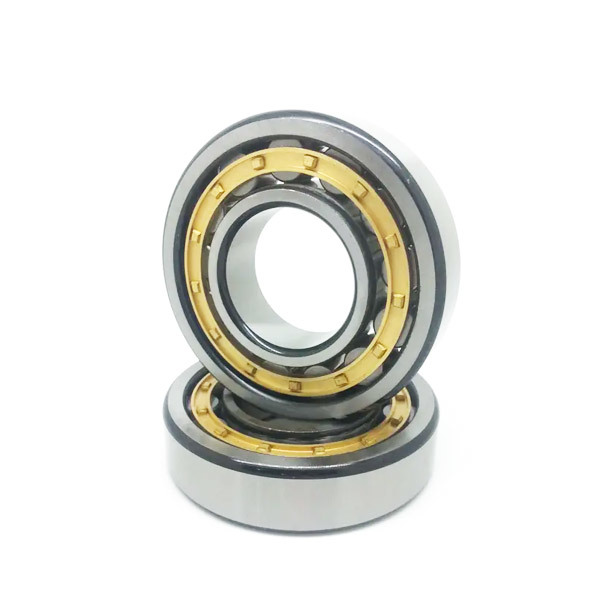
The design of cylindrical roller bearings is tailored to maximize performance and efficiency. These bearings consist of an inner ring, an outer ring, and cylindrical rollers that act as the rolling elements.
2.1 Key Components
- **Inner Ring**: The inner raceway, where the rollers make contact.
- **Outer Ring**: The outer raceway, providing structural support.
- **Cylindrical Rollers**: These can vary in length and diameter, with a larger surface area that enhances load distribution.
2.2 Types of Cylindrical Roller Bearings
- **Single Row**: Ideal for handling radial loads.
- **Double Row**: Designed for higher load capacities and stability.
- **Multi-Row**: Suitable for applications requiring compact designs with high load ratings.
3. Key Benefits of Cylindrical Roller Bearings in Machinery Efficiency
Cylindrical roller bearings contribute to machinery efficiency in numerous ways.
3.1 Enhanced Load Capacity
The larger contact area offered by cylindrical rollers allows for higher load capacities, making them suitable for heavy machinery applications.
3.2 Reduced Friction and Heat Generation
Cylindrical roller bearings are designed to minimize friction, leading to less heat generation during operation. This reduction in friction not only enhances efficiency but also prolongs the lifespan of the bearings and the machinery they support.
3.3 Improved Reliability and Performance
Their robust design ensures consistent performance, even under extreme conditions. This reliability translates to fewer breakdowns and reduced maintenance costs, ultimately improving overall machinery efficiency.
3.4 Versatility in Various Applications
Cylindrical roller bearings are adaptable to a wide range of applications, from automotive to industrial machinery, making them a preferred choice for many engineers.
4. Applications of Cylindrical Roller Bearings in Various Industries
Cylindrical roller bearings find applications across numerous sectors, each benefiting from their unique properties.
4.1 Automotive Industry
In the automotive sector, these bearings are commonly used in transmissions and drive shafts, where they enhance performance and durability.
4.2 Manufacturing and Machinery
Manufacturing equipment, such as conveyor systems and milling machines, rely on cylindrical roller bearings to operate efficiently under heavy loads.
4.3 Mining and Construction Equipment
Heavy machinery used in mining and construction, such as excavators and bulldozers, utilize these bearings for their ability to withstand harsh environments and heavy workloads.
4.4 Aerospace Applications
In aerospace, the high reliability and lightweight design of cylindrical roller bearings are crucial for aircraft engines and landing gear systems.
5. Maintenance and Best Practices for Optimal Performance
To ensure the longevity and effectiveness of cylindrical roller bearings, proper maintenance is essential.
5.1 Regular Inspections
Conduct routine inspections to check for signs of wear or damage. Early detection can prevent larger issues down the line.
5.2 Proper Lubrication
Using the right lubricant is vital for reducing friction and wear. Ensure that bearings are adequately lubricated according to manufacturer specifications.
5.3 Environmental Considerations
Protect bearings from contaminants such as dust and moisture, which can cause premature failure. Using seals or shields can help maintain a clean environment.
6. Troubleshooting Common Issues with Cylindrical Roller Bearings
Identifying and addressing issues promptly can enhance machinery efficiency.
6.1 Noise and Vibration Problems
Excessive noise or vibration can indicate misalignment or wear. Analyze the mounting and alignment to rectify these issues.
6.2 Overheating
If bearings are overheating, it may be due to inadequate lubrication or excessive load. Assess the lubrication regime and operating conditions.
6.3 Increased Wear Rates
Frequent wear may suggest contamination or improper fit. Evaluate the installation and cleanliness of components.
7. Future Trends and Innovations in Bearing Technology
The future of cylindrical roller bearings is promising, with innovations aimed at improving their efficiency and capabilities.
7.1 Smart Bearings
The integration of IoT technology allows for real-time monitoring of bearing conditions, enhancing predictive maintenance and reducing downtime.
7.2 Advanced Materials
Research into new materials can lead to bearings that are lighter, stronger, and more resistant to wear and temperature fluctuations.
7.3 Enhanced Lubrication Techniques
Developments in lubrication technology promise to improve the efficiency of cylindrical roller bearings through better distribution and retention of lubricant.
8. Conclusion
Cylindrical roller bearings are essential to enhancing machinery efficiency across various industries. Their unique design, ability to withstand heavy loads, and reduced friction contribute significantly to the performance and reliability of machines. By understanding their benefits, applications, and maintenance requirements, engineers and operators can optimize their usage, leading to improved operational efficiency and longevity of machinery.
9. Frequently Asked Questions (FAQs)
9.1 What are cylindrical roller bearings used for?
Cylindrical roller bearings are commonly used in applications requiring high load capacity and stability, such as in automotive, manufacturing, and aerospace industries.
9.2 How do cylindrical roller bearings differ from ball bearings?
Cylindrical roller bearings have a larger contact area due to their cylindrical shape, which allows them to handle heavier loads compared to ball bearings.
9.3 What maintenance do cylindrical roller bearings require?
Regular inspections, proper lubrication, and protection from environmental contaminants are key maintenance practices to ensure optimal performance.
9.4 How can I identify issues with cylindrical roller bearings?
Common signs of issues include excessive noise, vibration, overheating, and increased wear rates. Conduct regular checks to identify these problems early.
9.5 What innovations are emerging in bearing technology?
Emerging trends include smart bearings with IoT integration, advanced materials for better performance, and enhanced lubrication techniques for improved efficiency.


10% DISCOUNT FOR NEW CUSTOMERS

WhatsApp:+8613211157555
Tel: +8613211157555
Address:Room 1106, 11th Floor, No. 23, Fengshan West Road, Jinbang Community, Daliang Street, Shunde District, Foshan City, Guangdong Province
Copyright 2025 Schaeffler (Guangdong) Transmission Technology Co., Ltd. SEO Business license