18
2025
-
07
Understanding Linear Bearings: Essential Components for Precision Motion
Linear bearings are specialized mechanical devices designed to facilitate linear motion while minimizing friction and wear. They are widely used in numerous applications, including automation equipment, CNC machines, and various machinery requiring precise movement. By allowing smooth relative motion between two surfaces, linear bearings help to improve the overall efficiency and performance of a
One of the key advantages of linear bearings is their ability to support high loads while maintaining low friction. This is achieved through a combination of rolling elements, such as balls or rollers, and carefully designed raceways. As a result, linear bearings can provide a longer service life compared to traditional sliding bearings, making them an excellent choice for applications where durability and reliability are paramount.
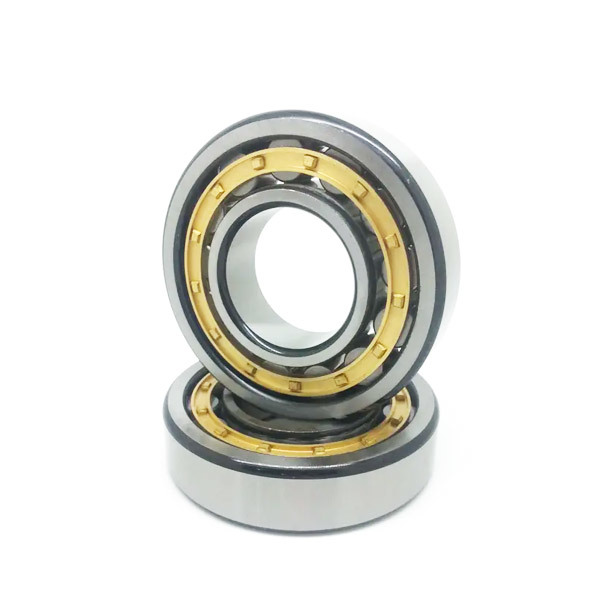
There are several types of linear bearings, each designed to meet specific requirements. The most common types include ball linear bearings, roller linear bearings, and plain linear bearings. Ball linear bearings use balls as rolling elements and are known for their high accuracy and low friction. Roller linear bearings, on the other hand, utilize cylindrical rollers, which provide increased load capacity and stiffness, making them suitable for heavy-duty applications. Plain linear bearings, while less common, operate on a sliding principle and are often used in applications with lower speed and load requirements.
Linear bearings find applications in a wide variety of industries, including manufacturing, robotics, and automation. In the manufacturing sector, they are commonly used in conveyor systems, assembly lines, and machine tools to ensure precise positioning and movement. In robotics, linear bearings are essential for enabling smooth and accurate motion in robotic arms and other automated systems. Additionally, in the realm of automation, linear bearings contribute to the efficiency of linear actuators and other motion control devices.
Selecting the right linear bearing for a specific application involves considering various factors, such as load capacity, speed, accuracy, and environmental conditions. Proper installation and maintenance are also vital to ensuring optimal performance and extending the lifespan of linear bearings. Regular inspections and lubrication, as recommended by manufacturers, can significantly reduce wear and tear and enhance the overall reliability of the system.
In conclusion, linear bearings are indispensable components in modern industrial applications, providing smooth and precise motion in a wide array of machinery and equipment. Understanding their functionality, types, and applications can empower professionals to make informed decisions when selecting and implementing these critical components in their operations.


10% DISCOUNT FOR NEW CUSTOMERS

WhatsApp:+8613211157555
Tel: +8613211157555
Address:Room 1106, 11th Floor, No. 23, Fengshan West Road, Jinbang Community, Daliang Street, Shunde District, Foshan City, Guangdong Province
Copyright 2025 Schaeffler (Guangdong) Transmission Technology Co., Ltd. SEO Business license