17
2025
-
07
Why Choose Needle Roller Bearings for Your Heavy-Duty Equipment?
Why Choose Needle Roller Bearings for Your Heavy-Duty Equipment? Needle roller bearings are increasingly becoming the preferred choice for heavy-duty equipment due to their unmatched strength, compact design, and exceptional load-carrying capacity. This article delves into the benefits, applications, and technical specifications of needle roller bearings, equipping you with the knowledge to select
Why Choose Needle Roller Bearings for Your Heavy-Duty Equipment?
Needle roller bearings are increasingly becoming the preferred choice for heavy-duty equipment due to their unmatched strength, compact design, and exceptional load-carrying capacity. This article delves into the benefits, applications, and technical specifications of needle roller bearings, equipping you with the knowledge to select the right bearing for your heavy machinery needs.
Understanding Needle Roller Bearings
Before we dive into the reasons to choose needle roller bearings, it’s essential to understand what they are and how they function. Needle roller bearings are a type of roller bearing that uses long, thin cylindrical rollers (needles) to support loads. Their design allows for a smaller cross-section while maintaining high load capacity, making them ideal for compact spaces.
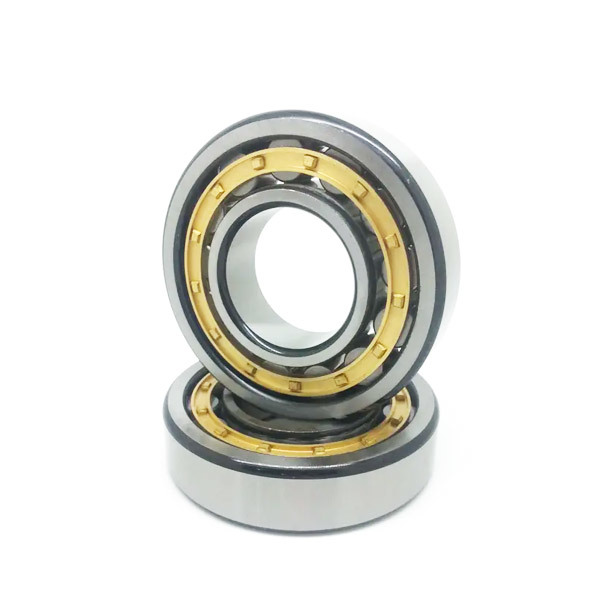
The Anatomy of a Needle Roller Bearing
Needle roller bearings consist of several key components:
1. **Outer Ring**: The outer ring provides a surface for the needle rollers to rotate against.
2. **Inner Ring**: The inner ring supports the shaft, allowing for rotation.
3. **Needles**: The elongated rollers distribute the load over a larger surface area.
4. **Cage**: The cage holds the needles in place, preventing them from colliding and ensuring smooth operation.
Advantages of Needle Roller Bearings for Heavy-Duty Equipment
Choosing needle roller bearings for heavy-duty applications carries numerous benefits. Let’s explore some of the most significant advantages.
1. High Load Capacity
Needle roller bearings are designed to accommodate heavy loads due to their large contact area and high-strength materials. This capacity makes them suitable for applications in construction equipment, industrial machinery, and automotive systems where load-bearing capabilities are crucial.
2. Compact Design
One of the standout features of needle roller bearings is their compact size. The slim profile allows for integration into tight spaces, making them ideal for machinery where conventional bearings may be too bulky. This characteristic can lead to more efficient designs and lighter machinery.
3. Reduced Friction and Wear
Needle roller bearings are engineered to minimize friction between moving parts. The elongated shape of the rollers allows for a larger surface area, reducing contact stress. This reduction in friction contributes to less wear over time, leading to extended service life and less frequent maintenance.
4. Versatility in Applications
These bearings are highly versatile and can be employed in various industries, including:
- **Automotive**: Used in transmissions and differentials.
- **Construction**: Essential in excavators and cranes.
- **Manufacturing**: Found in conveyor systems and automated machinery.
Applications in Heavy-Duty Equipment
The effectiveness of needle roller bearings shines in heavy-duty equipment applications. They can withstand harsh conditions, including high stress and extreme temperatures, making them reliable for critical operations.
How to Choose the Right Needle Roller Bearing
When selecting needle roller bearings for your heavy-duty equipment, consider the following factors:
1. Load Requirements
Assess the maximum load your equipment will bear. Ensure that the selected needle roller bearing can handle the static and dynamic loads.
2. Operating Conditions
Consider environmental factors such as temperature, humidity, and exposure to dirt or chemicals. Certain needle roller bearings are available with protective coatings to enhance resistance against corrosion and contaminants.
3. Speed Ratings
Verify the speed rating of the bearing. Needle roller bearings can operate at high speeds, but it’s essential to choose a bearing with a speed rating suitable for your application to avoid premature failure.
4. Installation and Maintenance
Evaluate the ease of installation and the maintenance requirements of the needle roller bearings. Proper installation and periodic maintenance will ensure the longevity and efficiency of the bearings.
Installation Tips for Needle Roller Bearings
Proper installation is crucial for the optimal performance of needle roller bearings. Here are some essential tips:
1. Clean the Components
Before installation, ensure that all components are clean and free from contaminants. Dirt and debris can hinder the performance and lifespan of the bearings.
2. Use Correct Tools
Utilize appropriate tools for installation. Avoid using excessive force, as this can damage the bearings or housing.
3. Apply Lubrication
Proper lubrication is essential for reducing friction and wear. Use the recommended lubricant for the needle roller bearings to ensure smooth operation.
4. Check Alignment
Ensure that the bearings are correctly aligned during installation. Misalignment can cause uneven wear and premature failure.
Maintenance of Needle Roller Bearings
Regular maintenance is vital for prolonging the life of needle roller bearings. Here are some maintenance strategies:
1. Regular Inspections
Conduct periodic inspections to check for signs of wear, damage, or misalignment. Early detection can prevent costly repairs.
2. Monitor Lubrication Levels
Keep an eye on lubrication levels and the condition of the lubricant. Replace or replenish lubricants as necessary to maintain optimal performance.
3. Adjust Operating Conditions
If possible, adjust operating conditions to minimize stress on the bearings. This adjustment could involve reducing load or improving cooling.
Common Misconceptions about Needle Roller Bearings
Despite their many benefits, several misconceptions surrounding needle roller bearings can lead to hesitation in their use.
1. Fragility
Many believe needle roller bearings are fragile due to their slender design. However, their materials and construction allow them to withstand significant loads and harsh conditions.
2. Limited Applications
Another misconception is that needle roller bearings are only suitable for specific applications. In reality, their versatility makes them suitable for various heavy-duty equipment across multiple industries.
3. Maintenance-Free
Some users assume that needle roller bearings are maintenance-free. While they may require less maintenance than other bearing types, regular checks and lubrication are still necessary for optimal performance.
Conclusion
In conclusion, needle roller bearings are an excellent choice for heavy-duty equipment due to their high load capacity, compact design, and reduced friction. By understanding their advantages and applications, as well as how to choose, install, and maintain them, you can enhance the performance and longevity of your machinery. Whether you are in the automotive, construction, or manufacturing industry, needle roller bearings can provide the reliability and efficiency you need to keep your equipment running smoothly.
FAQs
1. What are needle roller bearings used for?
Needle roller bearings are used in various applications, including automotive transmissions, construction equipment, and industrial machinery, where high load capacity and compact design are required.
2. How do you maintain needle roller bearings?
Maintenance includes regular inspections, monitoring lubrication levels, and ensuring proper alignment during installation.
3. Are needle roller bearings better than ball bearings?
Needle roller bearings may offer better load capacity and reduced friction in certain applications, particularly in compact spaces. However, the choice depends on specific application requirements.
4. Can needle roller bearings handle high speeds?
Yes, needle roller bearings can operate at high speeds, but it’s essential to choose a bearing with a suitable speed rating for your specific application.
5. What factors should I consider when selecting needle roller bearings?
Consider load requirements, operating conditions, speed ratings, and installation/maintenance ease when selecting needle roller bearings for your equipment.


10% DISCOUNT FOR NEW CUSTOMERS

WhatsApp:+8613211157555
Tel: +8613211157555
Address:Room 1106, 11th Floor, No. 23, Fengshan West Road, Jinbang Community, Daliang Street, Shunde District, Foshan City, Guangdong Province
Copyright 2025 Schaeffler (Guangdong) Transmission Technology Co., Ltd. SEO Business license